The silver screen has long been a canvas for some of humanity's oldest and most profound narratives. Among these, stories drawn from biblical texts have inspired filmmakers for generations, resulting in a diverse collection of cinematic works. While faith-based films span genres from comedy to drama, a select few stand apart for their artistic achievement, cultural impact, and powerful storytelling. These are the movies that not only recount sacred tales but elevate them into unforgettable cinematic experiences.
'The Ten Commandments' (1956): The Granddaddy of Biblical Epics
No list of biblical cinema is complete without Cecil B. DeMille's monumental The Ten Commandments. Emerging from Hollywood's golden age of epic filmmaking, this 1956 masterpiece set a new standard for scale and ambition. Charlton Heston embodies Moses with iconic gravitas, while Yul Brynner delivers a formidable performance as the Pharaoh Rameses. The film's production was itself a saga of dedication; DeMille, who had made a silent version decades earlier, suffered a heart attack during filming but refused to abandon his vision.

The movie's legacy is built on its groundbreaking spectacle. Nominated for seven Academy Awards, it won for its revolutionary special effects, most famously the parting of the Red Sea—a sequence that remains awe-inspiring nearly seventy years later. With a cast of thousands filmed on location from California to Egypt, The Ten Commandments is the definitive example of the Hollywood biblical epic, a film whose grandeur has rarely been matched. For fans of large-scale cinematic spectacle, this film is essential viewing.
'The Nativity Story' (2006): An Intimate Portrait of Faith
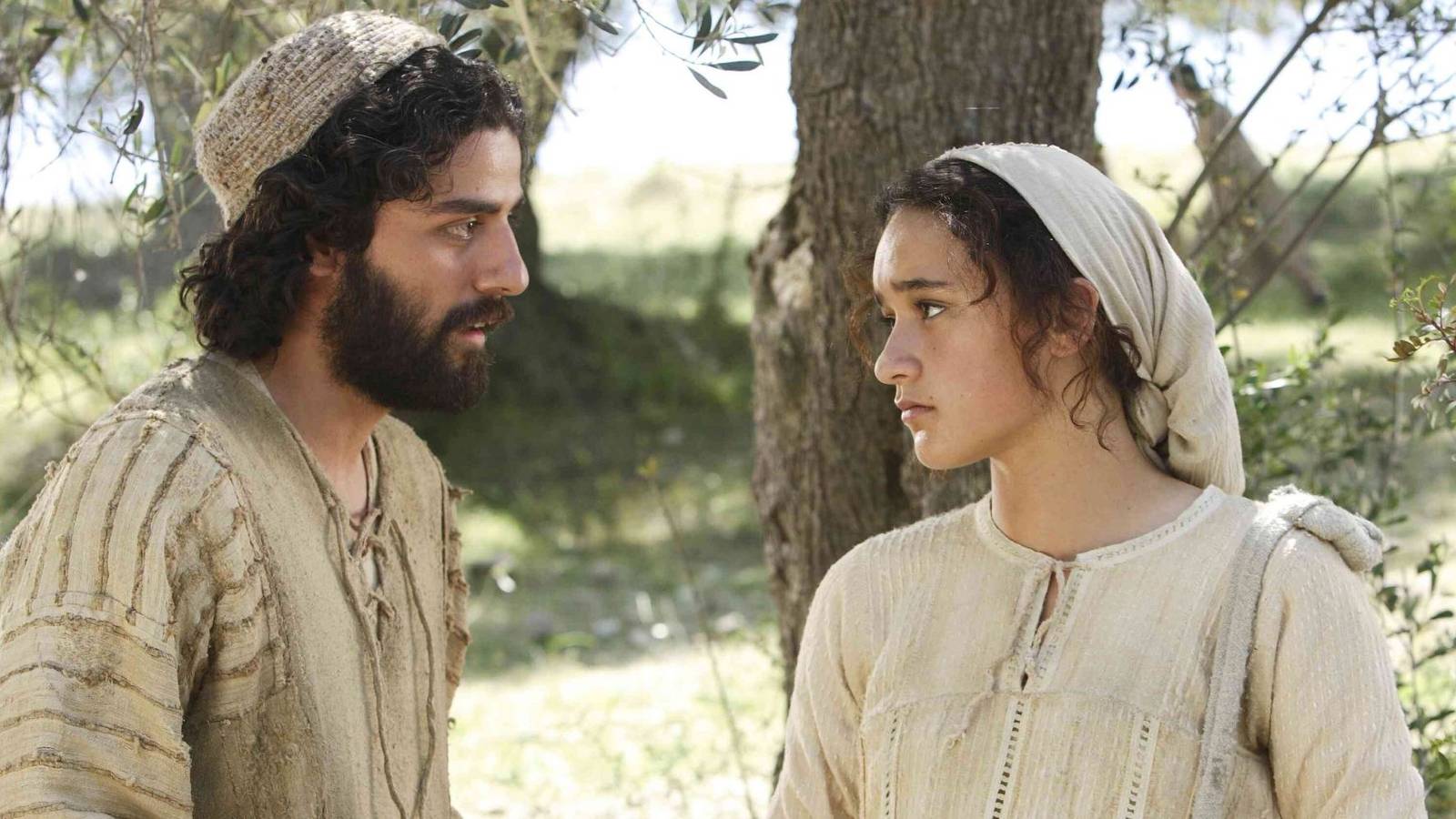
While many Jesus-focused films rush to the crucifixion, 2006's The Nativity Story offers a rare, tender, and deeply human look at the events leading to his birth. Director Catherine Hardwicke and writer Mike Rich crafted a film that prioritizes historical authenticity and emotional resonance over melodrama. The casting is impeccable, with Keisha Castle-Hughes bringing a grounded strength to Mary and a young Oscar Isaac portraying Joseph with remarkable depth, loyalty, and vulnerability.
The film excels in its cultural detail and the palpable chemistry between its leads, making the journey of Mary and Joseph feel immediate and relatable. Supported by a strong ensemble including Shohreh Aghdashloo and Ciarán Hinds, The Nativity Story fills a narrative gap in biblical cinema with grace and beautiful cinematography. It's a perfect choice for those seeking a soulful and comforting cinematic experience.
'The Prince of Egypt' (1998): An Animated Masterpiece
DreamWorks Animation proved that biblical stories could reach breathtaking artistic heights with The Prince of Egypt. This visually stunning film retells the Exodus narrative through a blend of traditional hand-drawn animation and pioneering CGI, creating a work of art that is both respectful of its source and wildly imaginative. Val Kilmer voices Moses, leading an all-star voice cast including Ralph Fiennes, Michelle Pfeiffer, and Sandra Bullock.
The film's emotional power is matched by its technical brilliance. Sequences like the parting of the Red Sea and the haunting plague scenes are milestones in animation history, set to an Oscar-winning soundtrack by Stephen Schwartz and Hans Zimmer. The Prince of Egypt transcends the "children's movie" label, offering a profound, musical, and visually spectacular interpretation of the Moses story for audiences of all ages.
'The Passion of the Christ' (2004): A Cinematic Landmark
Mel Gibson's The Passion of the Christ remains one of the most discussed and impactful religious films ever made. Distinguished by its uncompromising dedication to historical and linguistic authenticity—it's performed entirely in Aramaic, Latin, and Hebrew—the film offers an intensely visceral portrayal of the final hours of Jesus' life. Jim Caviezel's performance is the unwavering center of this harrowing journey.
The film's raw emotional power and technical craftsmanship sparked global conversation and demonstrated the significant audience for serious faith-based cinema. Its success paved the way for modern projects like the popular series 'The Chosen', proving the enduring demand for biblical narratives. While its graphic intensity makes it a challenging watch, its artistic commitment and cultural footprint are undeniable.
Together, these films represent the pinnacle of Bible-based storytelling in cinema. They show that whether through the awe of practical effects, the intimacy of character drama, the beauty of animation, or the grit of historical immersion, these ancient stories continue to find powerful, relevant, and moving new life on screen.