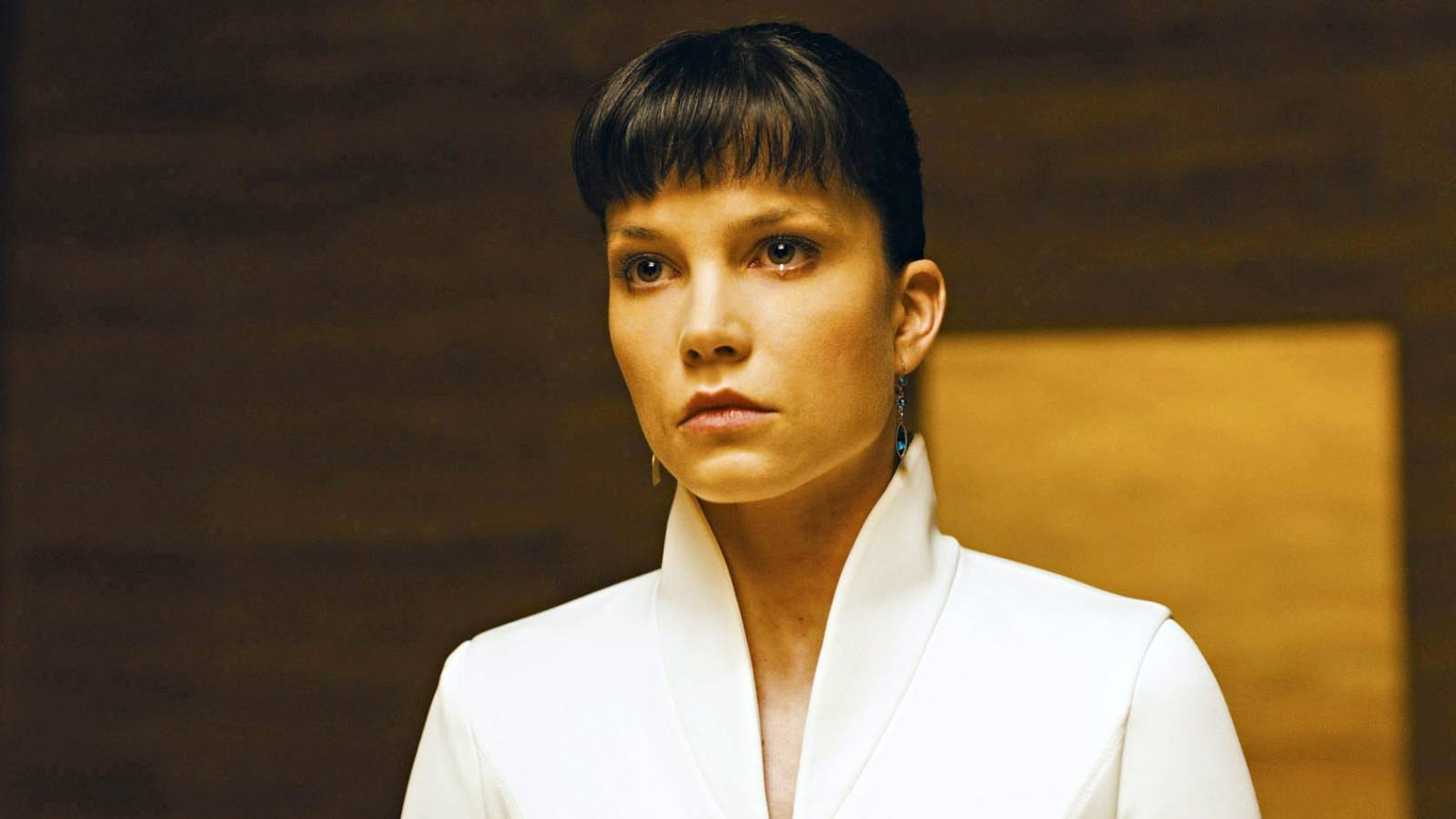
In a stunning reversal of fortune, the television adaptation of the iconic video game Halo has risen from the ashes of cancellation to become one of streaming's most-watched shows. Originally developed for Paramount+, the ambitious military sci-fi series starring Pablo Schreiber was shelved after two seasons, deemed too costly for its initial viewership. Now, with its library available on Netflix and Apple TV+, the show is experiencing a remarkable second life, dominating charts and proving its story is far from over.
A Costly Gamble That Paid Off Elsewhere
Paramount+ made the difficult decision to end Halo following its second season, with the show's enormous production budget cited as a primary factor. Despite a built-in fanbase from the legendary Xbox franchise and a solid 80% audience score on Rotten Tomatoes, the series never achieved the breakout, franchise-defining success the streamer had banked on. The show faced criticism from hardcore gamers for creative liberties with the source material, while newcomers sometimes found its universe daunting. For a time, it seemed Master Chief's live-action journey had reached its conclusion.

That all changed when the series found a new home. After landing on Netflix last fall, Halo immediately shot to the top of the platform's most-watched list. Its success didn't stop there; it has since secured a spot in Apple TV+'s Top 10, demonstrating a cross-platform appeal that has stunned industry observers. This resurgence is a classic case of a show finding its audience with the right accessibility and timing, freed from the intense scrutiny and weekly release schedule of its original run.
Why 'Halo' Is Connecting Now
Several factors are fueling Halo's unexpected victory lap. The binge-watching model allows viewers to power through the series' growing pains, moving seamlessly from a first season that some found uneven to a critically praised second season that honed its focus on large-scale conflict and tighter character arcs. For many new viewers, it now plays as a compelling, adult-oriented sci-fi epic first and a video game adaptation second.
The timing also coincides with renewed interest in the gaming franchise itself. A new installment of the game is set for release this summer, drawing both lapsed and brand-new players into the universe. This creates a perfect storm where gamers are curious about the show, and show-watchers may be inspired to pick up a controller, creating a virtuous cycle of fandom. The show benefits from a distance from its original hype, allowing it to be judged on its own merits as a piece of sci-fi entertainment.
The Complicated Future of a Streaming Phoenix
The show's revival naturally sparks the question: could Master Chief return for a third season? The streaming world is no stranger to second chances, with series like 'Lucifer' and 'The Expanse' finding new life after cancellation. However, Halo's path is fraught with financial hurdles. Its high production cost remains a significant barrier, making it a risky investment in an era where streamers are tightening budgets.
While its current popularity undeniably proves a lasting demand, networks may be content to let the existing two seasons attract subscribers without gambling on costly new episodes. The show's achievement, however, is undeniable. It has accomplished the rare feat of not just finding an audience after cancellation, but becoming a genuine streaming hit years later. This phenomenon shows that in the on-demand era, a show's final episode doesn't have to be its final word.
This story of revival stands in contrast to other Paramount+ successes that found their footing from the start. For instance, while Halo searches for a new path, series like 'Strange New Worlds' have solidified their place as the platform's premier sci-fi offerings. It also highlights the unpredictable nature of video game adaptations, a genre where landmark successes like 'Silent Hill' set a high bar for cinematic translation.
Regardless of what the future holds for new seasons, Halo's journey from expensive misfire to multi-platform sensation is a testament to the changing dynamics of television. It's a story about audience discovery, the power of library content, and how a great universe can find its soldiers when the time is right.