The 1980s were a golden era for sitcoms, giving us classics like Cheers and The Golden Girls. But while those shows remain beloved, a handful of lesser-known gems have quietly improved with age, offering progressive themes and sharp writing that feel surprisingly modern today. Let's revisit two standout examples that deserve a second look.
'Brothers' (1984–1989): A Trailblazer for LGBTQ+ Representation
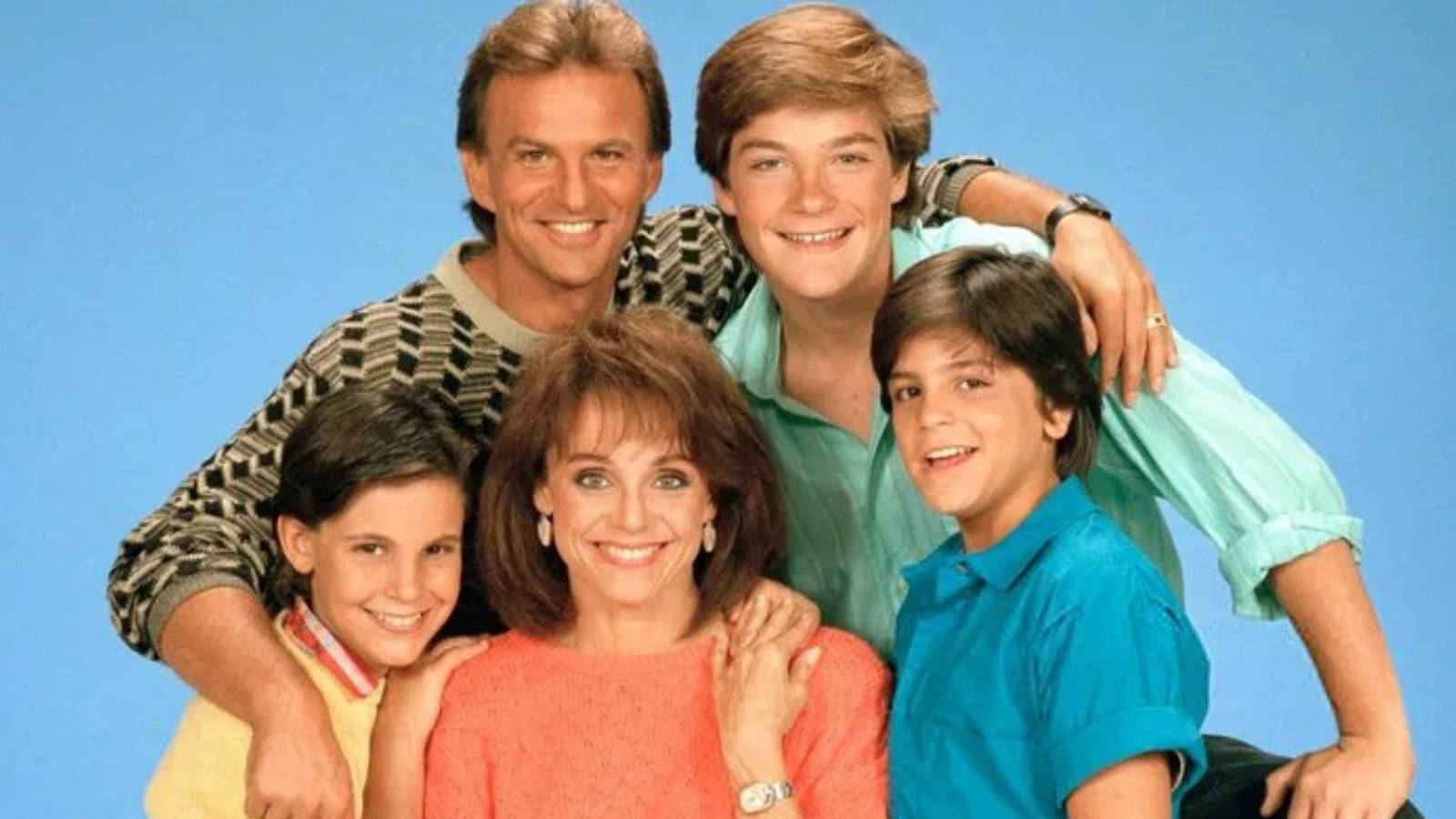
Created by David Lloyd, a veteran of The Mary Tyler Moore Show and Taxi, Brothers was the first original series produced exclusively for premium cable. Set in Philadelphia, it followed three working-class brothers: gruff construction foreman Lou (Brandon Maggart), retired football player turned bar owner Joe (Robert Walden), and youngest sibling Cliff (Paul Regina), who comes out as gay in the pilot episode. The show balanced its sitcom format with meaningful commentary on gay rights, homophobia, and HIV/AIDS—topics network TV largely avoided at the time.

What made Brothers remarkable was its nuanced portrayal of Cliff, who wasn't reduced to a punchline. He was joined by Donald Maltby (Phillip Charles MacKenzie), a successful gay writer who became a mentor. The series even featured a recurring gay bar, The Velvet Spike. By tackling taboo subjects with humor and heart, Brothers paved the way for later premium cable hits. Its limited accessibility today is a shame, but its legacy as a progressive sitcom remains undeniable. For more underrated TV treasures, check out our list of forgotten Stephen King TV shows.
'Domestic Life' (1984): A Meta-Humor Prototype
Co-created by Steve Martin, Martin Mull, Howard Gewirtz, and Ian Praiser, Domestic Life lasted only one season on CBS, but its influence echoes in shows like Frasier and Only Murders in the Building. Martin Mull starred as Martin Crane, a Seattle TV commentator whose polished on-air persona clashed with the chaos of his home life with wife Candy (Judith-Marie Bergan), teenage daughter Didi (Megan Follows), and young son Harold (Christian Brackett-Zika). The show's meta-humor—Martin often broke the fourth wall—offered a dry, self-aware take on family sitcoms.
What set Domestic Life apart was its gentle parody of traditional family tropes. The parents were imperfect, and the kids subverted expectations, like Harold running a small business from his bedroom while reading The Wall Street Journal. This observational style, combined with Mull's deadpan delivery, made it a cult classic. It's a prime example of how even short-lived shows can leave a lasting mark. If you enjoy rediscovering hidden gems, you might also like our roundup of forgotten sci-fi cult classics.
These forgotten '80s sitcoms prove that time can be kind to shows that dared to be different. Whether breaking ground on LGBTQ+ issues or pioneering meta-humor, they remain worth seeking out for any fan of vintage TV. For more sitcoms that deserve a binge, see our guide to must-see sitcoms you'll regret missing.