Season 2 of Daredevil: Born Again is hitting its stride, and a recent episode has delivered a powerful dose of what made the original Netflix series so beloved. The fifth installment, "The Grand Design," masterfully weaves together the superhero action, legal intrigue, and spiritual questioning that define Matt Murdock. While the return of familiar faces and tones has been celebrated, one specific sequence centered on Foggy Nelson proves to be the emotional and thematic heart of the hour.
A Flashback That Defines a Hero
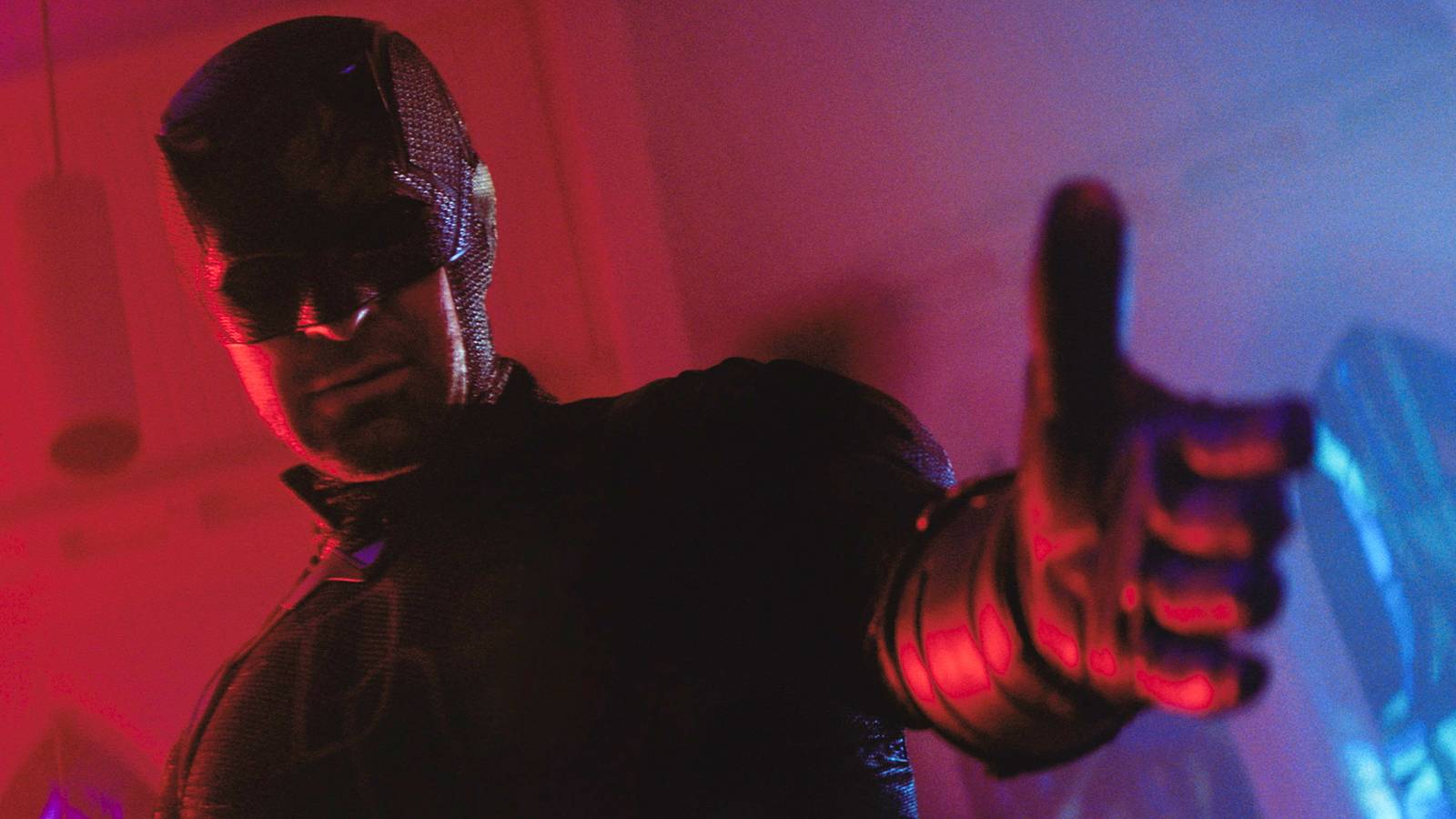
The episode finds Matt in a dire situation. With Vanessa Fisk fighting for her life, Daredevil and the wounded Bullseye are holed up in the late Father Lantom's church, evading Wilson Fisk's Anti-Vigilante Task Force. Faced with capture or death, Matt makes a split-second decision to save himself, leaving his enemy behind. But at the church grounds' edge, he's stopped by a sudden memory—a lesson in mercy taught not by a priest, but by his best friend.
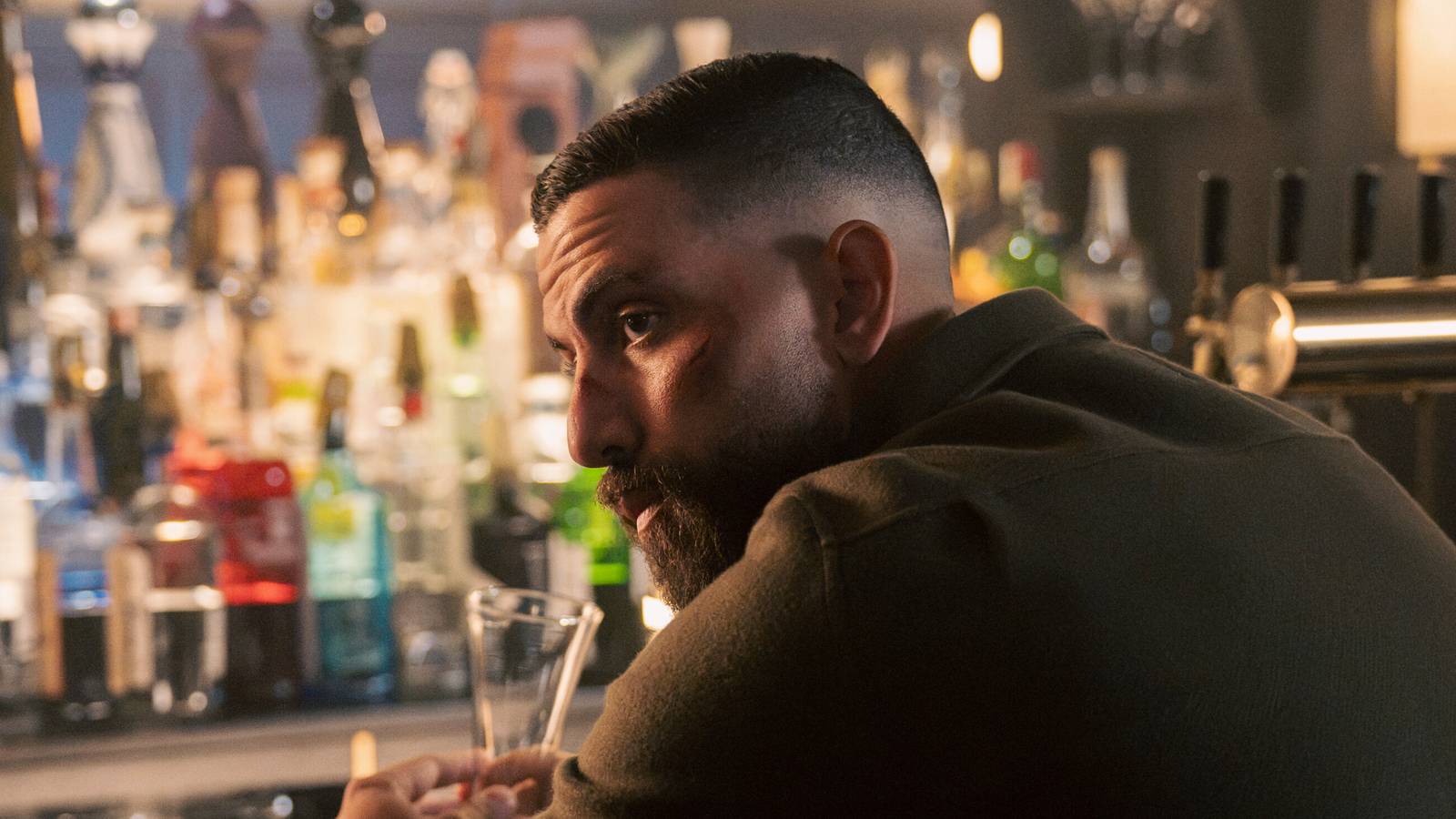
The flashback shows a younger Foggy Nelson going to extraordinary lengths for Lionel "Ray" McCoy, a childhood bully who once tormented him. After securing Ray's release from legal trouble, Foggy empties the Nelson & Murdock firm's savings to help him escape town and certain death from old mob contacts. This act of pure, undeserved compassion, given to someone who showed him none, becomes the guiding light Matt desperately needs in the present.
Mercy Over Revenge
Struggling under the weight of Fisk's rule and his own rage toward Bullseye—Foggy's killer—Matt has been losing sight of the man his mentors believed he could be. The memory of Foggy's selfless act reframes his entire conflict. It reminds him that mercy isn't reserved for the deserving; it's given to those in need. As Charlie Cox recently explained, Matt's core belief is in the sacred preservation of life, no matter how difficult that principle is to uphold.
This internal struggle is the kind of rich, character-driven material where Daredevil truly excels. The original series was built on these moral quandaries, and "The Grand Design" brilliantly revives that spirit. Confronted with Foggy's example and the religious iconography surrounding him in the church, Matt turns back. He chooses to save Bullseye's life, embodying the forgiveness and second chances his faith preaches but his heart resists.
The episode's success isn't just in its plot, but in its execution. Elden Henson's return as Foggy is pitch-perfect, delivering a quiet, powerful performance that anchors the entire narrative. The structure cleverly parallels past and present, showing how a single act of kindness can echo through years to redefine a moment of crisis. It's a testament to how compelling character-driven stories can resonate deeply with audiences.
Born Again, Indeed
With this episode, Matt Murdock undergoes a genuine rebirth. He moves beyond the vengeance that clouded his judgment and reconnects with the principled hero at his core—the one who would make Foggy proud. The sequence underscores that the strength of the Daredevil franchise has always been its willingness to grapple with faith, justice, and humanity's gray areas.
This return to form is part of a larger trend of beloved stories finding new life. Just as classic series experience resurgences, Daredevil: Born Again is proving that a hero's journey can evolve while staying true to its essence. For fans, "The Grand Design" is more than just a great episode; it's a promise fulfilled, showing that the heart of Hell's Kitchen's guardian is still beating strong.