Marvel's latest Disney+ offering, Eyes of Wakanda, has become one of the studio's most debated projects. This compact, four-episode animated series doesn't follow a traditional superhero formula, and that's precisely what makes it intriguing. While some viewers have dismissed it as a minor footnote, others praise its ambitious scope and unique perspective on the legendary nation of Wakanda.
A Fresh Angle on a Familiar World
Forget following a single hero's journey. Eyes of Wakanda shifts the focus to the Hatut Zeraze, Wakanda's covert intelligence operatives tasked with a singular mission: retrieving stolen vibranium artifacts from across history before the world learns of their existence. Each episode is a standalone mission, jumping from Ancient Greece and Rome to Ming Dynasty China and Colonial Ethiopia. This anthology structure allows the series to explore Wakanda's influence on global events through the eyes of different agents across centuries, a narrative approach rarely seen in the MCU.
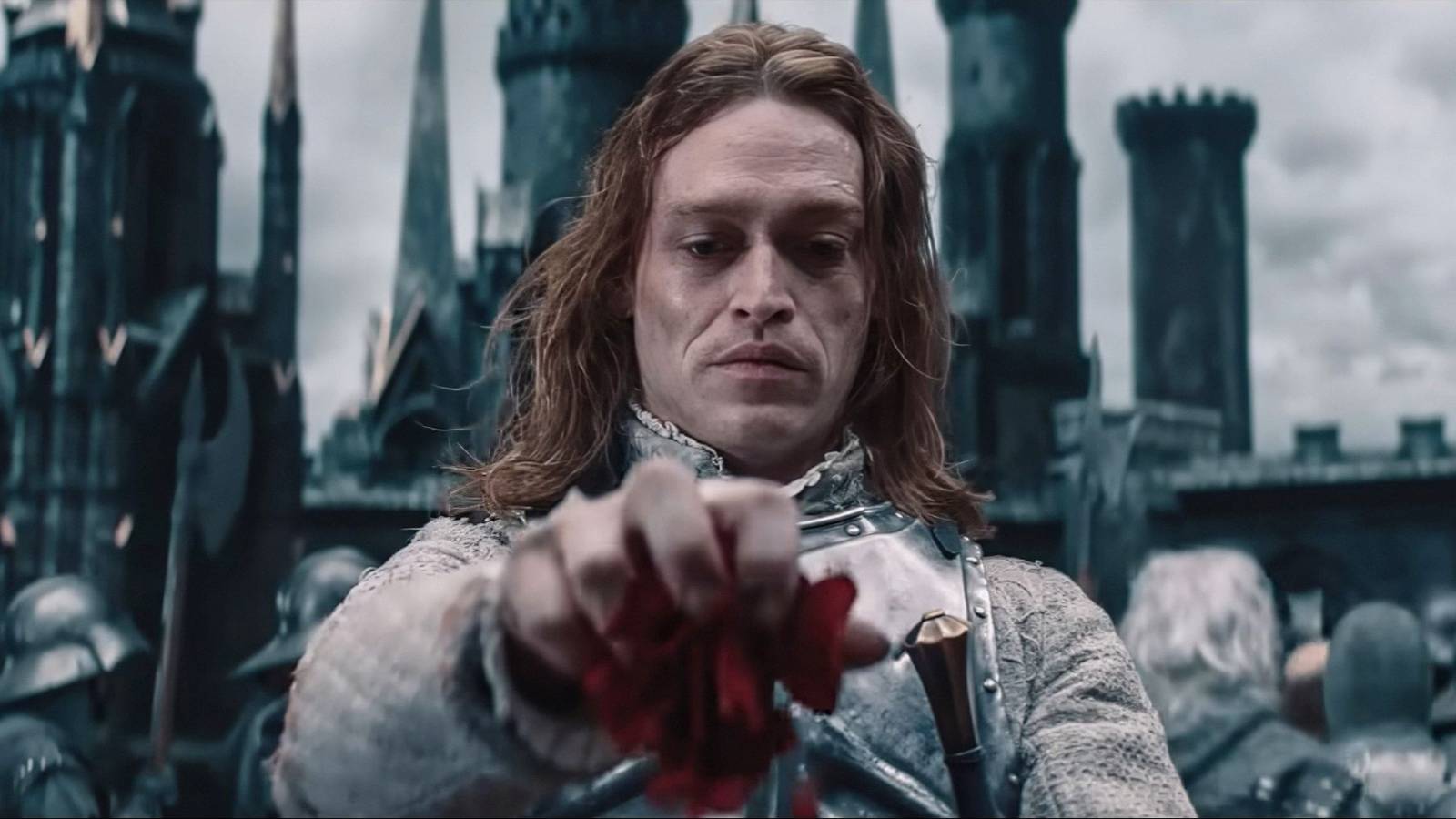
The series thrives on this fragmented, historical record style. You witness the system of Wakandan secrecy operating through different people facing impossible choices. One episode follows a disgraced Dora Milaje warrior seeking redemption, while another plants an agent deep within the Trojan War. The connection isn't a character, but the enduring, paranoid ideology of Wakanda itself—the belief that survival requires burdens no other nation must bear.
Strengths and Shortcomings
The four-episode format is a double-edged sword. The brisk pacing sometimes sacrifices emotional depth, and the middle chapters can feel less impactful than the powerful bookends. The series doesn't always stick its landings, a fact reflected in its mixed critical reception, including a 51% average on Rotten Tomatoes' Popcornmeter.
Yet, there's a refreshing clarity to its compactness. Free from the weight of endless continuity, each story enters, executes, and concludes with purpose. This freedom lets the series experiment with tone, stakes, and location in ways a longer-running show might avoid. It's a format that shares DNA with other bite-sized stories that deliver a potent punch without overstaying their welcome.
Visual Artistry Steals the Show
Where the series earns nearly universal praise is in its animation. Critics agree it represents some of Marvel Animation's most distinctive and ambitious visual work to date. Drawing inspiration from artists like Ernie Barnes, the series employs a painterly style full of texture and depth. The use of light and color is deliberately tailored to each historical setting, making every episode a visual feast. This artistic commitment elevates the material, providing a richness that rewards attentive viewing.
Why It Deserves Your Attention
Much of the divisive reaction stems from mismatched expectations. Fans hoping for a direct sequel to the emotional, character-driven narrative of Black Panther found something entirely different. Eyes of Wakanda is not that. It's a thematic exploration—a look at the machinery and moral cost of maintaining a secret kingdom. It asks the audience to engage with lore and ideology over personal heroics.
In an era of sprawling cinematic universes, there's value in a series that knows its limits and uses them creatively. Like other divisive but popular shows, it proves that challenging conventional storytelling can spark valuable conversation. It expands the mythology of Wakanda in compelling ways the films only hinted at, offering a grander, more historical view of the nation's legacy.
Is it flawless? No. But Eyes of Wakanda is a bold experiment that brings stunning animation and a novel historical perspective to the MCU. For viewers willing to meet it on its own terms, it offers a rewarding glimpse into the hidden corners of a world we only thought we knew.