Long before the flickering shadows of classic noir graced the silver screen, a generation of writers was already crafting the dark, cynical worlds that would define the genre. In the 1930s, as Hollywood began to notice the public's appetite for hardboiled crime fiction, authors like Raymond Chandler, Dashiell Hammett, and James M. Cain were laying the groundwork for the fatalistic stories and morally ambiguous characters that would become noir's signature. For fans of the genre, diving into these source texts offers a richer understanding of what makes noir so enduring—and reveals the literary DNA behind some of cinema's most unforgettable films.
Badge of Evil (1956)
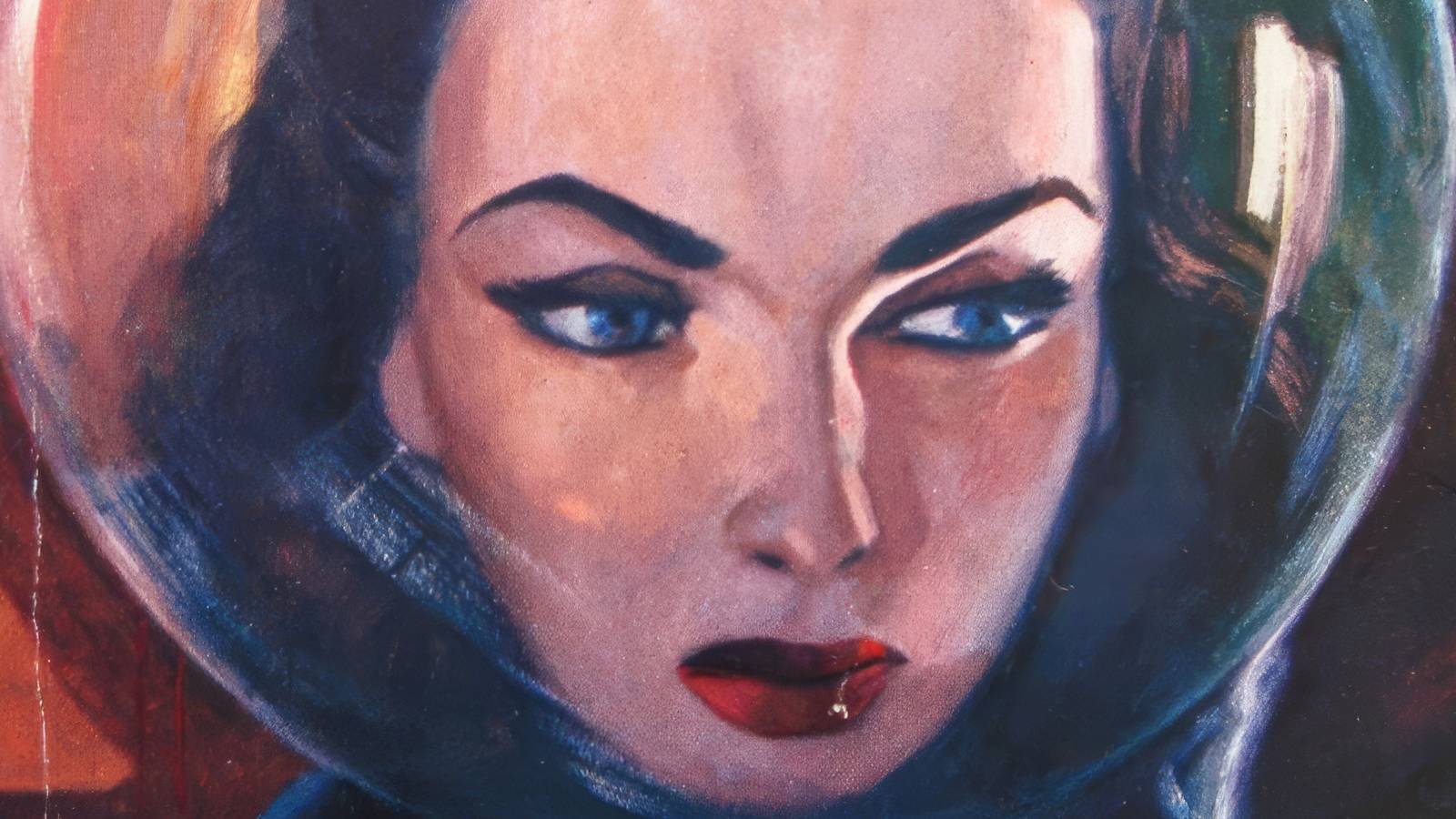
Whit Masterson's Badge of Evil may be best known as the inspiration for Orson Welles' Touch of Evil, a film often hailed as one of the last great classics of the noir era. While Welles took significant liberties with the plot, the novel itself is a gripping crime thriller in its own right. With razor-sharp dialogue and a brutal exploration of obsession, moral compromise, and the abuse of power, it hits all the thematic notes that define noir. Reading it alongside the film offers a fascinating comparison between hardboiled fiction and the visual language of cinema.
L.A. Confidential (1990)
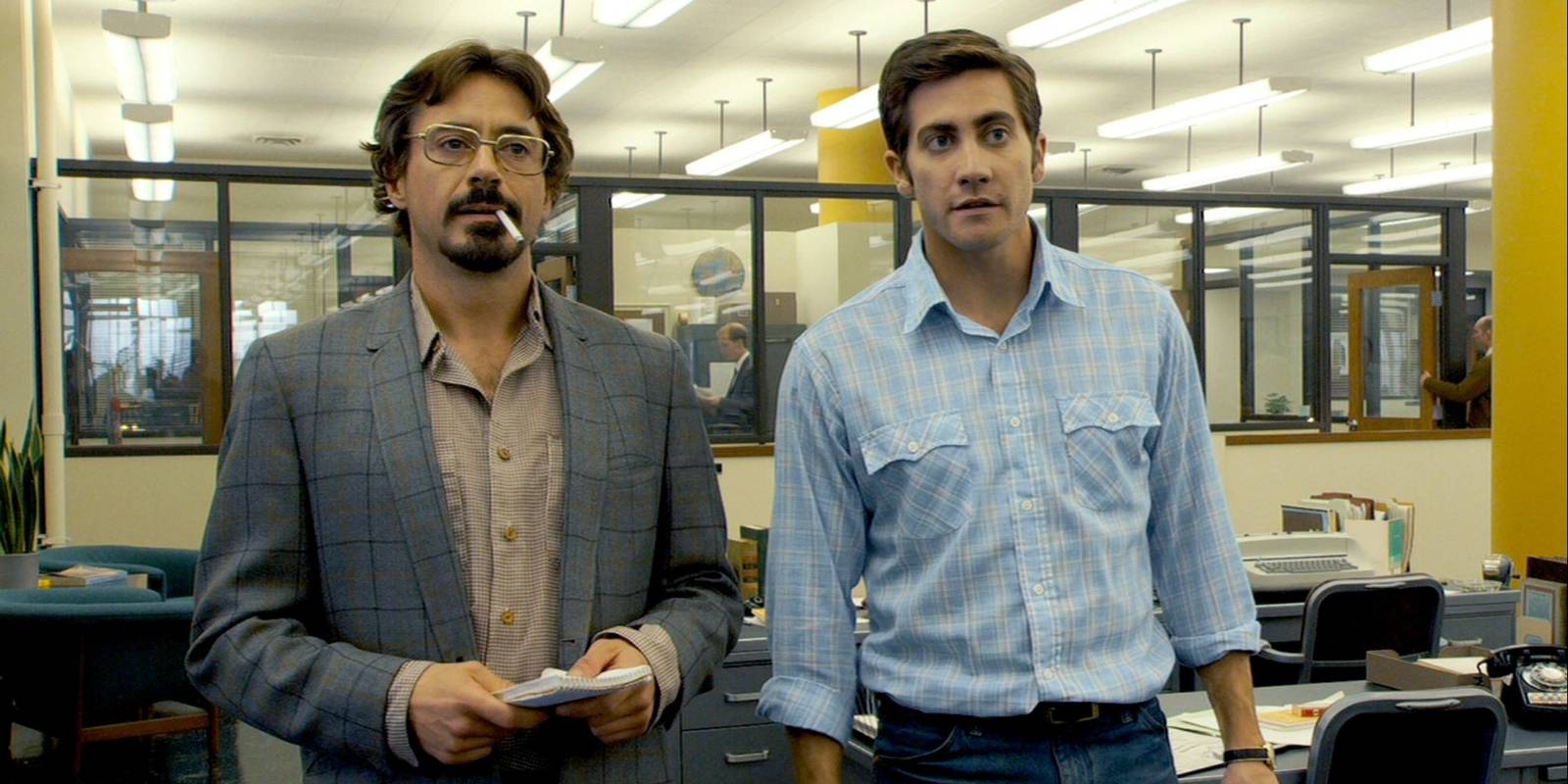
James Ellroy's L.A. Confidential is a gritty neo-noir masterpiece and the third entry in his L.A. Quartet. Set in 1950s Los Angeles, it follows three very different cops whose lives collide in a web of murder, corruption, and Hollywood scandal. The novel's brutal prose and deeply flawed characters create a world where justice is never simple and everyone has secrets. The 1997 film adaptation won two Academy Awards, but the book offers an even more intricate and unflinching portrait of the city's dark underbelly. For noir fans, it's a powerful blend of hardboiled tradition and a love letter to Los Angeles—a city that feels like a character in its own right.
Double Indemnity (1943)
James M. Cain's Double Indemnity is a cornerstone of hardboiled fiction and the basis for Billy Wilder's iconic 1944 film. The novella contains all the elements that would become noir staples: a seductive femme fatale, an ordinary man lured into murder, greed, betrayal, and the inescapable feeling that once you cross a moral line, there's no turning back. Cain's stripped-down, cynical prose moves at a breakneck pace, pulling readers into the mind of a man who believes he can control a scheme that's far more dangerous than he realizes. Comparing the book to the film reveals how much of the movie's dark, fatalistic spirit was already present in Cain's original work.
Farewell, My Lovely (1940)
Raymond Chandler's second novel featuring private eye Philip Marlowe is a masterclass in noir atmosphere. Farewell, My Lovely follows Marlowe as he investigates a missing-person case that spirals into murder and corruption. Chandler's writing is sharp and evocative, painting a rain-soaked world of cynical detectives and compromised souls. Marlowe himself is the quintessential noir hero: tough, sarcastic, but guided by a personal code of honor. The novel was adapted into the 1944 film Murder, My Sweet, which marked Marlowe's big-screen debut. Reading the book alongside the film shows how Chandler's language and characters provided the essential ingredients for the genre.
More Noir Classics Worth Your Time
Beyond these four, there are other essential reads for noir enthusiasts. The Maltese Falcon by Dashiell Hammett introduced the world to Sam Spade and set the template for the hardboiled detective story. Farewell, My Lovely and Double Indemnity are just the tip of the iceberg—there's a whole library of crime fiction that shaped the genre. For those looking to explore further, check out our ranking of the best books of the past quarter century or our list of fantasy books where every chapter is a masterpiece for more literary inspiration.
Whether you're a longtime noir aficionado or just discovering the genre, these novels offer a deeper appreciation for the films you love. They remind us that behind every shadowy frame and whispered confession, there's a story that started on the page—and that the best noir is as much about the written word as it is about the moving image.