
The 20th century was an era of immense progress and profound darkness, and cinema did not shy away from the latter. A select group of filmmakers created works that are less about casual viewing and more about confronting the deepest, most unsettling aspects of the human condition. These are films that explore moral collapse, the fragility of dignity, and the horrors ordinary people can face.
10. The Deer Hunter (1978)
Michael Cimino's epic begins with the textured lives of friends in a Pennsylvania steel town, building a world of weddings and hunting trips. This normalcy is brutally shattered when the story follows Michael, Nick, and Steven into the Vietnam War. The infamous Russian roulette sequences are harrowing, but the film's true weight comes from the fractured homecoming. It's a devastating portrait of a generation permanently scarred by trauma, where the war's aftermath proves as destructive as the conflict itself.
9. Salò, or the 120 Days of Sodom (1975)
Pier Paolo Pasolini's final film is arguably one of the most infamous ever made. Set in the last days of Fascist Italy, it depicts powerful men who systematically abduct and torture young victims in a secluded villa. The film is structured like a grim ritual, moving through escalating circles of cruelty with cold, detached precision. There is no traditional plot or relief, only a confrontational examination of absolute power and the normalization of atrocity. It remains a deeply polarizing work that many find unwatchable, yet its political fury is undeniable.
8. Angst (1983)
This Austrian psychological horror film offers a terrifyingly intimate portrait of a killer. Following a recently released murderer who immediately returns to violence, the movie uses invasive, restless camerawork and a suffocating perspective to trap the audience inside his mind. There is no attempt to rationalize or justify his actions; instead, we are subjected to his compulsions and remorseless inner monologue. It's a grim, intelligent character study that influenced later horror, including the works of Gaspar Noé, though few have matched its unflinching dive into moral darkness. For more under-the-radar scares, check out our list of Hidden Horrors.
7. Harakiri (1962)
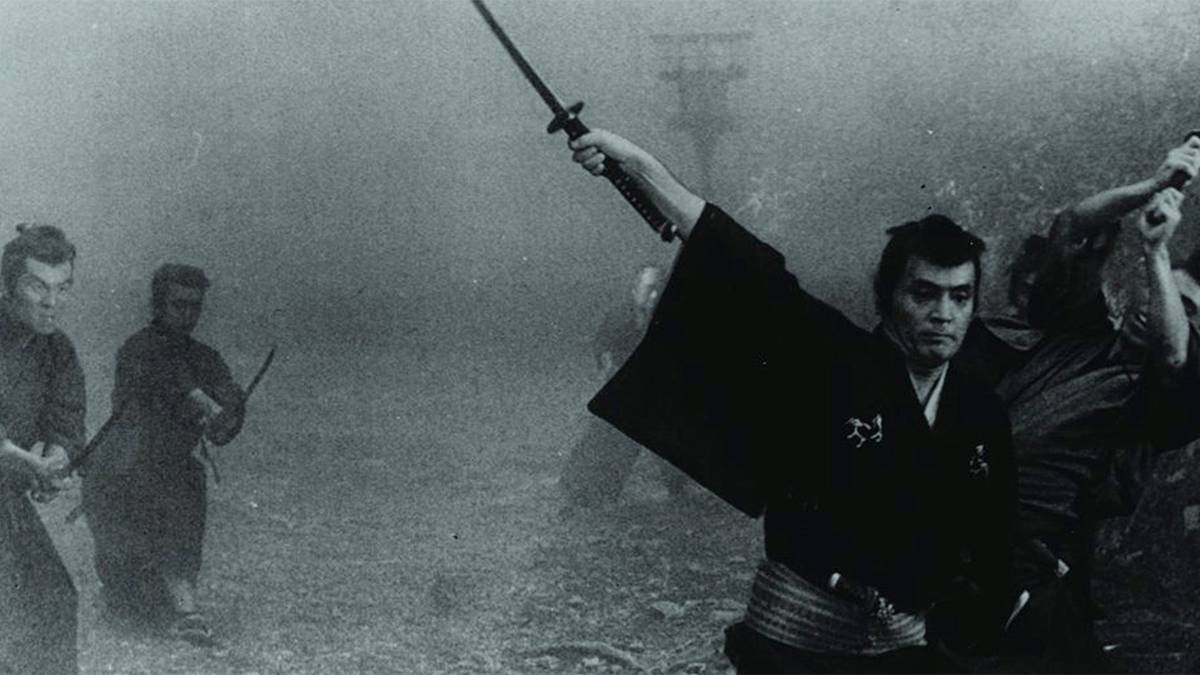
Masaki Kobayashi's masterpiece begins with a simple premise: a masterless samurai arrives at a feudal lord's estate to request a place to commit ritual suicide. What unfolds is a brilliant and tragic deconstruction of the samurai code of honor itself. The story reveals a man driven to the edge by desperation and a system corrupted by hollow ideals. Rather than delivering action, the film builds its devastating emotional weight through moral dilemmas and profound loss, anchored by a phenomenal lead performance from Tatsuya Nakadai.
6. Se7en (1995)
David Fincher's rain-soaked neo-noir is a procedural that morphs into a profound moral horror. Detectives Somerset and Mills hunt a killer who stages murders based on the seven deadly sins, each crime scene a grotesque tableau of human vice. The city itself feels spiritually and physically diseased, creating a world where hope seems to have evaporated. The film's infamous climax delivers one of cinema's most shocking and bleak conclusions, leaving viewers with a haunting question about the nature of evil. If you need something to lighten the mood after this, we recommend our guide to Cinematic Comfort Food.
These films represent a commitment to exploring darkness not for shock value, but for truth. They hold up a mirror to the worst of the 20th century—and by extension, humanity itself—demanding that we look, even when we desperately want to turn away. Their power lies in their refusal to offer easy answers or comforting resolutions, making them enduring, if difficult, landmarks of cinematic art.