Twenty-five years ago, Reese Witherspoon's Elle Woods burst onto screens as the ultimate underdog—a bubbly sorority queen who traded pink for Harvard Law and proved that brains and beauty go hand in hand. The original Legally Blonde became a cultural touchstone, shattering stereotypes and winning hearts with its infectious optimism. Now, Prime Video attempts to revisit that magic with Elle, a prequel series set in the mid-1990s that follows a teenage Elle before her law school days. Unfortunately, this new entry feels more like a pale imitation than a worthy addition to the franchise.
A Familiar Story, Told Again
Starring Lexi Minetree as the young Elle, the series kicks off with a family move from Los Angeles to Seattle after her father's botched nose job turns him into a social pariah. Elle, accustomed to Beverly Hills glamour, faces culture shock at Rainier West High School, where students embrace grunge fashion and muted colors. She gradually wins over her new peers, finds romance, and learns life lessons—but the journey feels painfully derivative.

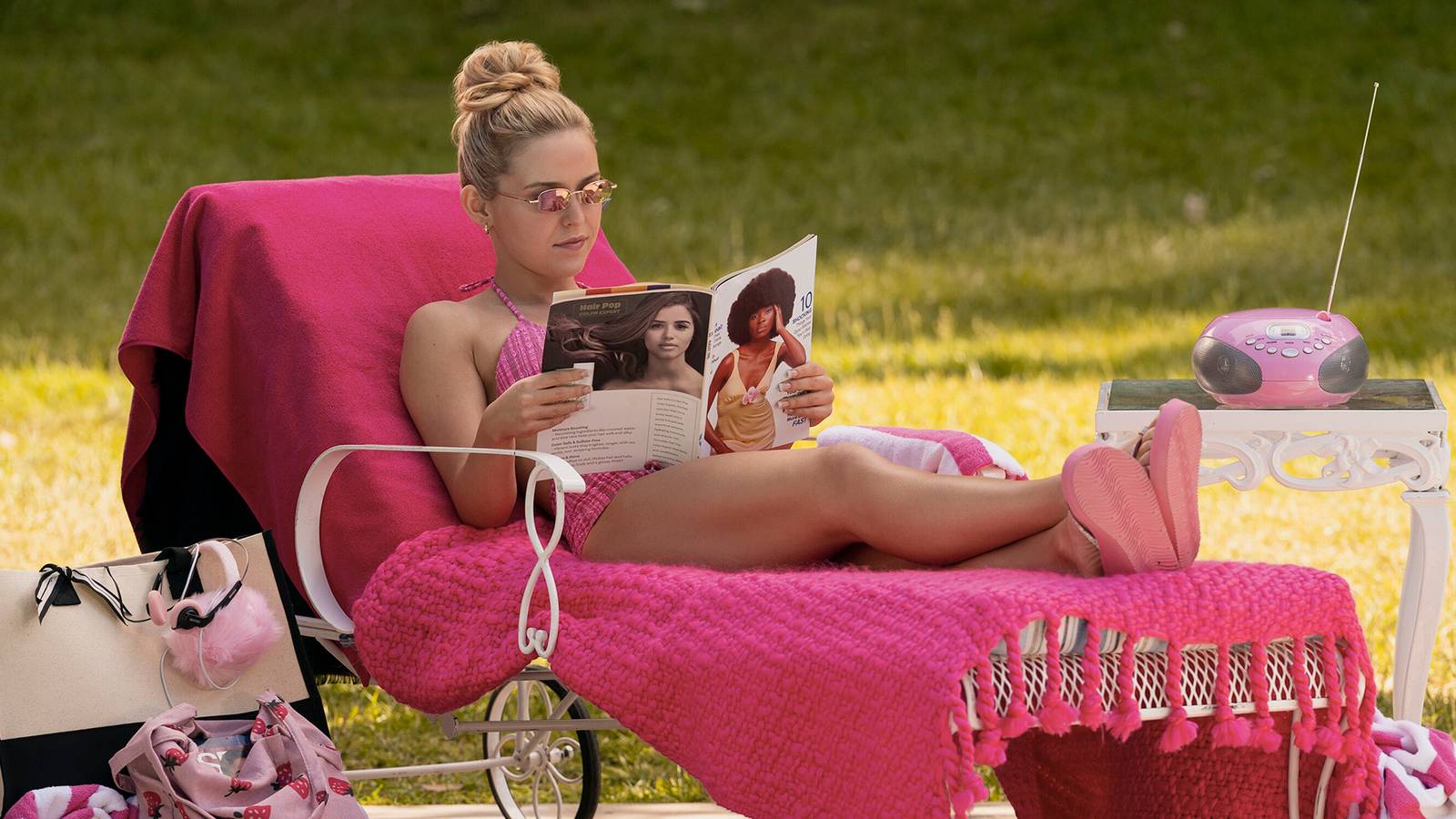
Nearly every major plot beat is lifted directly from the 2001 film. There's a pool party scene where Elle shows up in a bikini, only to find the pool drained for skateboarding—a moment that makes you wonder why an older Elle wouldn't have learned from this déjà vu. The series is littered with visual callbacks and repeated quotes, making it feel more like a parody than a genuine prequel. Created by Laura Kittrell and produced by Witherspoon's Hello Sunshine, Elle is clearly a love letter to the original, but it plays it far too safe. Instead of giving Elle a fresh challenge, it undermines her growth: if she went through a transformative experience at 16, why does she repeat the same mistakes years later? The only way the story works is if you view it as an alternate universe.
Charm Without Substance
Minetree is undeniably charming and bears an eerie resemblance to Witherspoon. Her Elle is confident, kind, and generous, with a youthful naivete that makes her out-of-touch lines—like name-dropping Tim Burton's nephew—endearing. But her performance mirrors Witherspoon's too closely, leaving little room for her own interpretation. In the rare emotional moments, she shines, but those scenes are too few to make the character her own.
The real surprises are Elle's parents, Eva (June Diane Raphael) and Wyatt (Tom Everett Scott). Unlike the vapid stereotypes from the movie, here they have more depth. Raphael and Scott deliver hilarious one-liners, and their subplot about a strained marriage after the move adds some heart. Yet, like everything else, it's predictable. The same goes for the high school cast: the obligatory mean girl with a hidden heart, the love triangle, the wise older mentor, and the corrupt authority figure. It's a formula we've seen countless times.
Anachronisms and Missed Opportunities
The writing is the series' biggest flaw. Despite being set in the mid-1990s, Elle rarely feels authentic to the era. Characters act as if Seattle has no preppy kids, and lines like “I support women's rights and women's wrongs” feel ripped from modern memes. The show stereotypes the grunge scene to the point of satire, undermining its own message about not judging a book by its cover. It's a series written by people who remember the '90s from cultural osmosis, not lived experience.
Ultimately, Elle has heart and humor, but that's not enough to sustain eight episodes. For fans craving more of the original's magic, it's a letdown. If you're looking for something fresh to stream, check out our picks for the best Prime Video movies to watch this weekend or dive into the record-breaking 'Spider-Noir' series. For now, Elle proves that some classics are best left untouched.