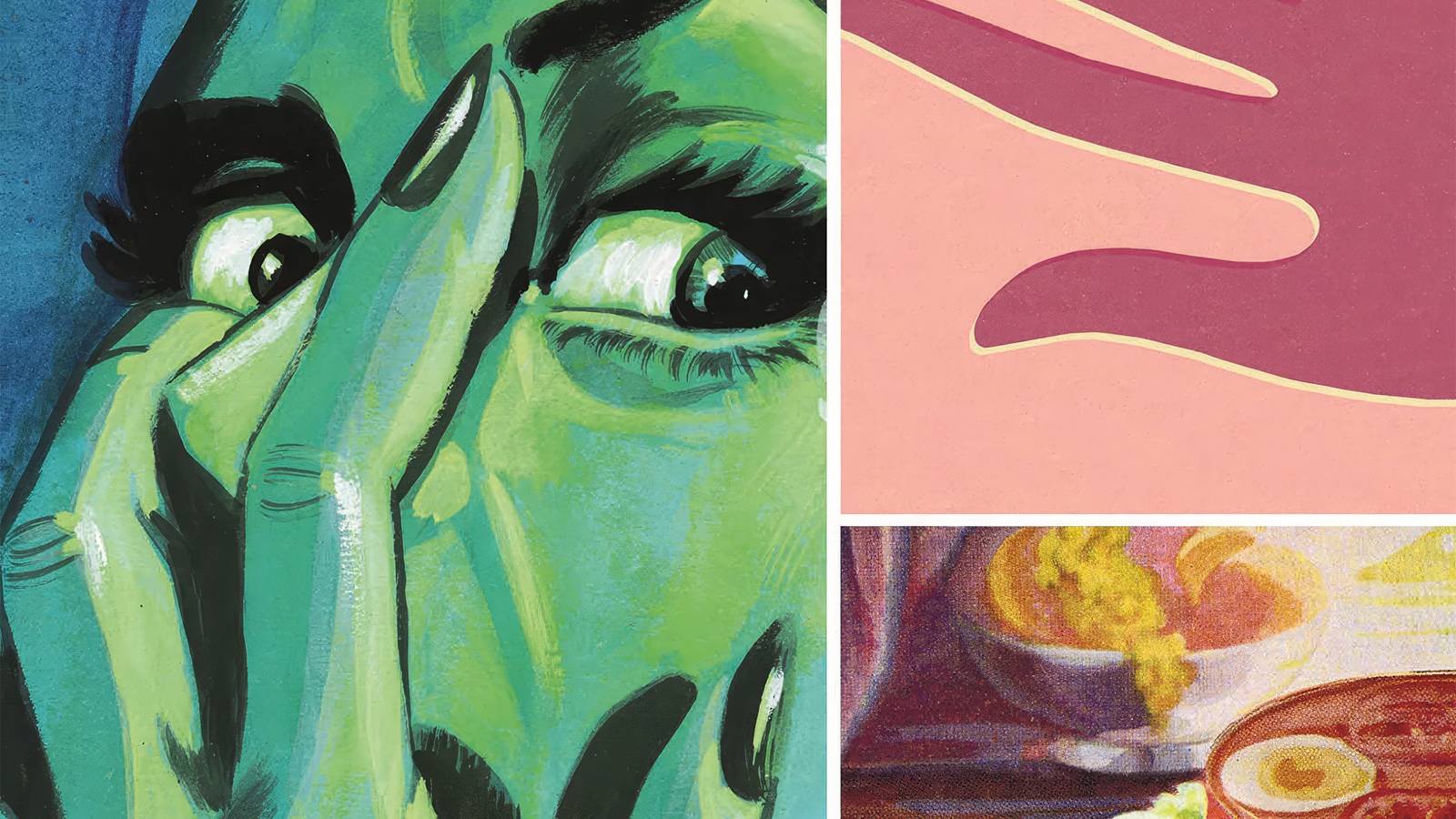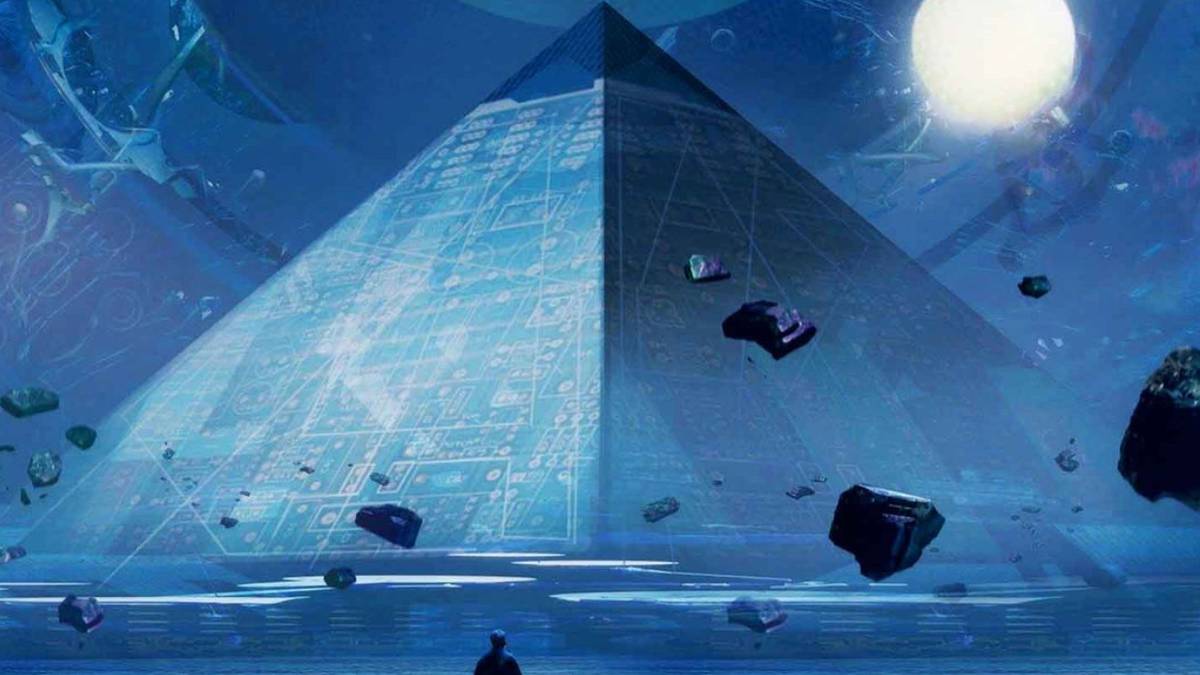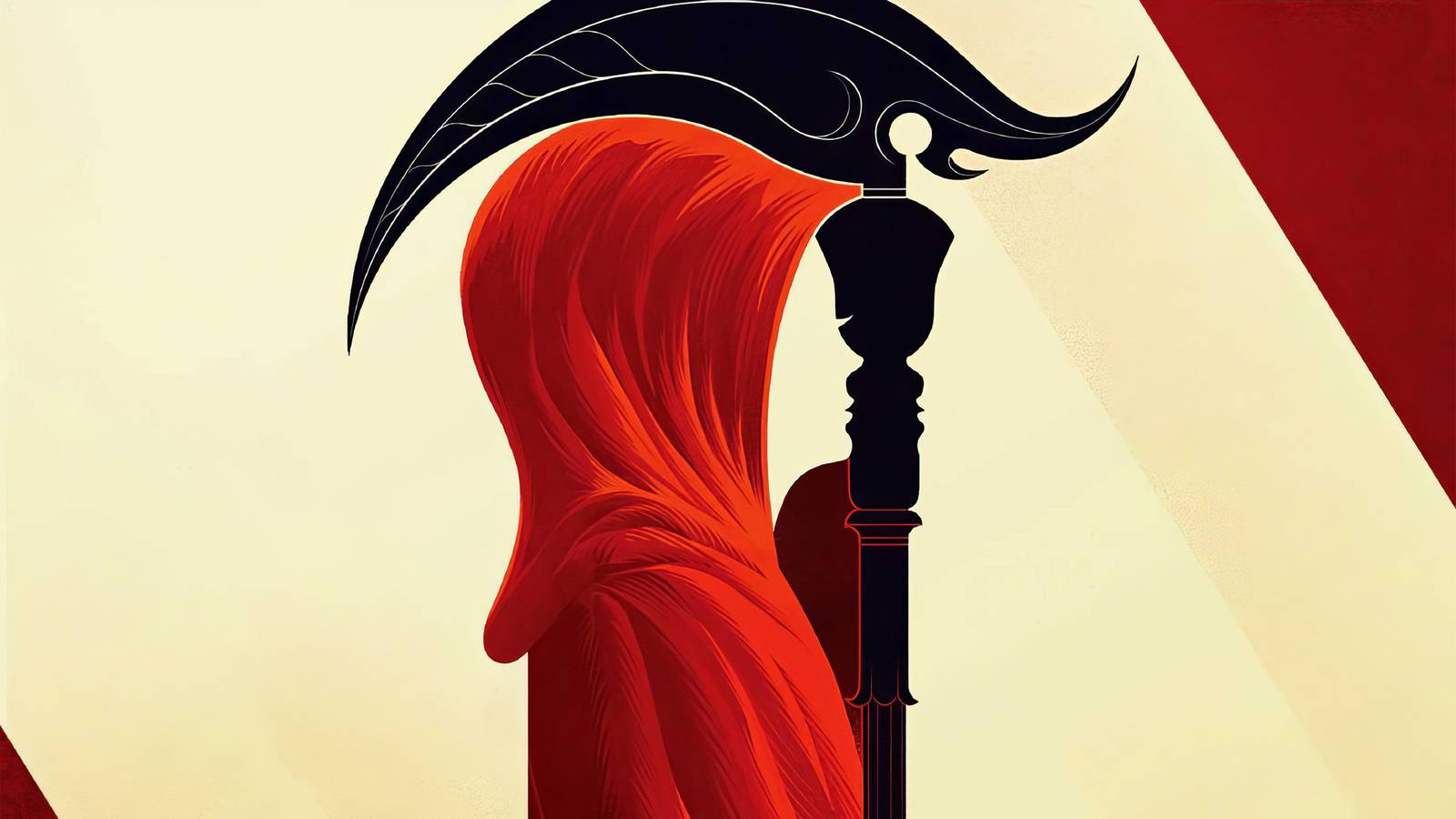
Dystopian fiction has been warning us about the future for over a century, but it wasn't until the late 20th century that authors began crafting entire trilogies set in these dark, imagined worlds. From classic sci-fi visions to the YA boom of the 2010s, the greatest dystopian trilogies prove just how powerful the genre can be. To qualify, a series must have exactly three mainline entries—no more, no less.
9. The Wayward Pines Trilogy by Blake Crouch
Blake Crouch first made waves with the psychological thriller Desert Places in 2004, but it was his Wayward Pines trilogy that brought him international fame. The series follows Secret Service agent Ethan Burke as he wakes up trapped in a remote Idaho town where a massive conspiracy lurks beneath the surface. Surreal and genre-bending, it's clearly inspired by Twin Peaks—fans of David Lynch's cult classic will devour it.
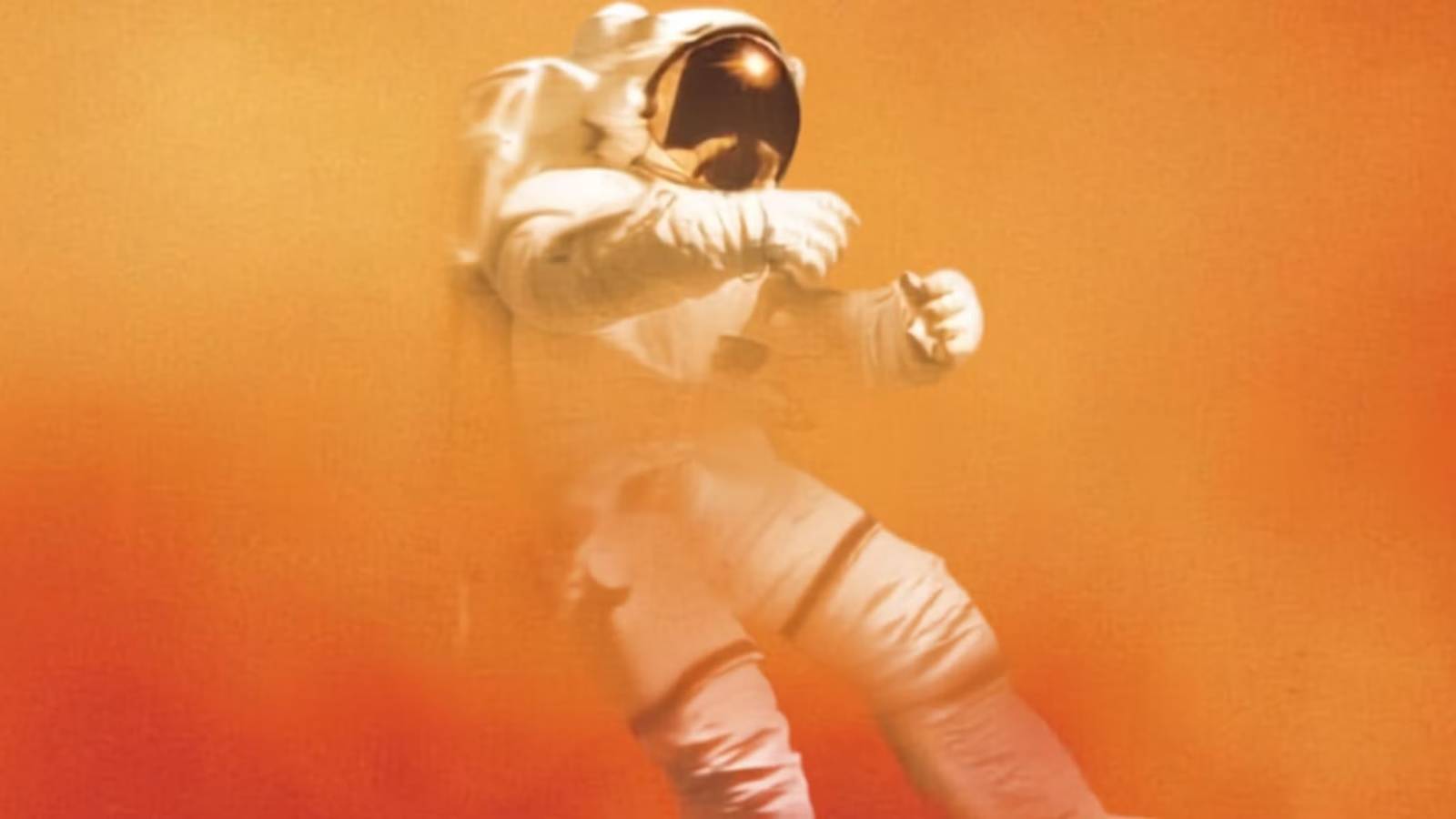
The genius of the trilogy lies in how Pines opens like a mind-bending psychological thriller and only reveals itself as true dystopia halfway through. From Pines to Wayward to The Last Town, it remains one of the most relentlessly paced and sharply written dystopian series, perfect for readers who prefer the non-YA side of the genre.
8. The Chaos Walking Trilogy by Patrick Ness
American-British author Patrick Ness is best known for his YA work, particularly the iconic Chaos Walking trilogy: The Knife of Never Letting Go, The Ask and the Answer, and Monsters of Men. Set on a distant colonized planet, the story revolves around a germ that makes all thoughts audible. It's a high-concept premise that Ness executes with extraordinary worldbuilding, emotional depth, and character writing.
Winner of nearly every major UK children's fiction award, the series is as complex and thought-provoking as it is fun. With a sequel trilogy, New World, having begun this year with Piper at the Gates of Dusk, now is the perfect time to dive in.
7. The MaddAddam Trilogy by Margaret Atwood
Margaret Atwood is one of the most influential speculative fiction authors of our time, best known for The Handmaid's Tale. Published 18 years later, Oryx and Crake kicked off the MaddAddam trilogy, exploring humanity's rebirth after a man-made biological catastrophe. Atwood describes it as adventure romance and speculative fiction rather than science fiction.
Oryx and Crake, The Year of the Flood, and MaddAddam are satirically sharp and full of quasi-prophetic social commentary. Dealing with the ethical limits of science and unchecked corporate power, the trilogy benefits from Atwood's deliriously fun prose and powerful intellectual layers.
6. The Passage Trilogy by Justin Cronin
Part horror fantasy, part sci-fi dystopia, Justin Cronin's The Passage trilogy is among those near-perfect series everyone should read once—though re-reads are instantly tempting. Following a secret US government experiment that unleashes a virus transforming death-row inmates into vampire-like predators, Stephen King called it "one of the great achievements in American fantasy fiction."
Where many dystopian series are tightly plotted, The Passage, The Twelve, and The City of Mirrors cover around 1,000 years of dystopian American history. This massive scope, combined with a deeply moving emotional core and clever reinventions of vampire tropes, makes it a fascinating trilogy for horror lovers.
5. The Silo Trilogy by Hugh Howey
Hugh Howey's Silo trilogy—Wool, Shift, and Dust—began as a self-published sensation before becoming a global phenomenon. Set in a underground silo where humanity survives after the outside world becomes toxic, the series explores themes of control, rebellion, and the cost of truth. The Apple TV+ adaptation has brought even more attention to this gripping saga.
4. The Sprawl Trilogy by William Gibson
William Gibson's Sprawl trilogy—Neuromancer, Count Zero, and Mona Lisa Overdrive—is a cornerstone of cyberpunk. Neuromancer introduced the matrix, cyberspace, and a gritty, high-tech dystopia that influenced countless works. It's a must-read for anyone interested in the roots of modern dystopian sci-fi.
3. The Hunger Games Trilogy by Suzanne Collins
Suzanne Collins' The Hunger Games, Catching Fire, and Mockingjay sparked a YA dystopia boom in the 2010s. Set in Panem, where teens fight to the death in a televised spectacle, the series blends action, romance, and sharp social commentary. Its impact on pop culture and the genre is undeniable.
2. The Maze Runner Trilogy by James Dashner
James Dashner's The Maze Runner, The Scorch Trials, and The Death Cure follow Thomas and a group of teens trapped in a mysterious maze. Packed with twists and high-stakes action, the trilogy became a YA favorite and a successful film franchise. It's a thrilling ride from start to finish.
1. The Divergent Trilogy by Veronica Roth
Veronica Roth's Divergent, Insurgent, and Allegiant top our list. In a society divided into factions based on virtues, Tris Prior discovers she's Divergent—and that makes her dangerous. The series combines breakneck pacing, romance, and a thought-provoking look at identity and conformity. It's the ultimate dystopian trilogy for many readers.
Whether you prefer the psychological thrills of nerve-shredding thrillers or the epic scope of American epics, these trilogies offer something for everyone. And if you're a fan of classic mysteries, you'll appreciate the intricate plotting in many of these series. Dive into one today—you won't regret it.