The new HBO limited series DTF St. Louis is already turning heads with its unique blend of dark humor, mystery, and unexpected musical moments. In a recent interview, stars Jason Bateman, David Harbour, and Linda Cardellini pulled back the curtain on one of the show's most talked-about scenes and the central enigma that drives the plot.
The Improvised Beat That Made the Cut
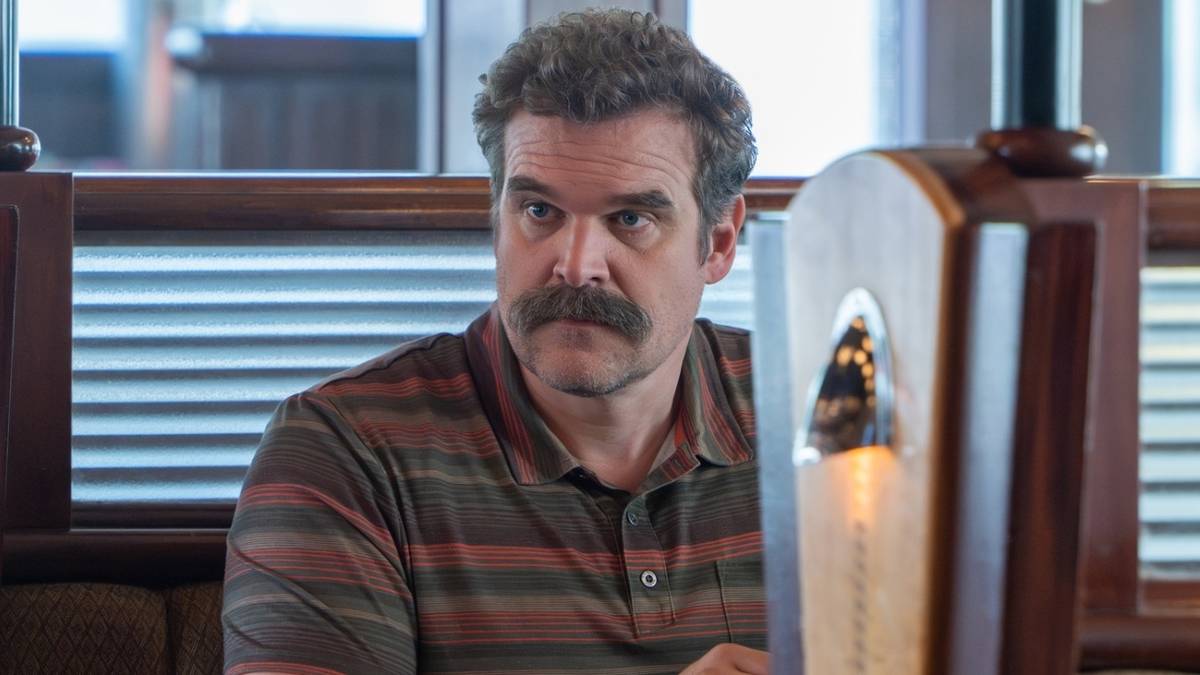
One standout moment arrives in the fourth episode, when Bateman's character, local weatherman Clark Forrest, and Harbour's character, his friend and ASL interpreter Floyd, launch into a rap about acing a life insurance physical. The scene has a distinct Beastie Boys flavor, but as Harbour reveals, it wasn't originally planned that way. "In the script, it was written that we were talking about the life insurance policy, but it was also kind of written like a rap," Harbour explained. After he casually asked creator Steven Conrad if they should perform it, Conrad ran with the idea, writing full lyrics and a beat.
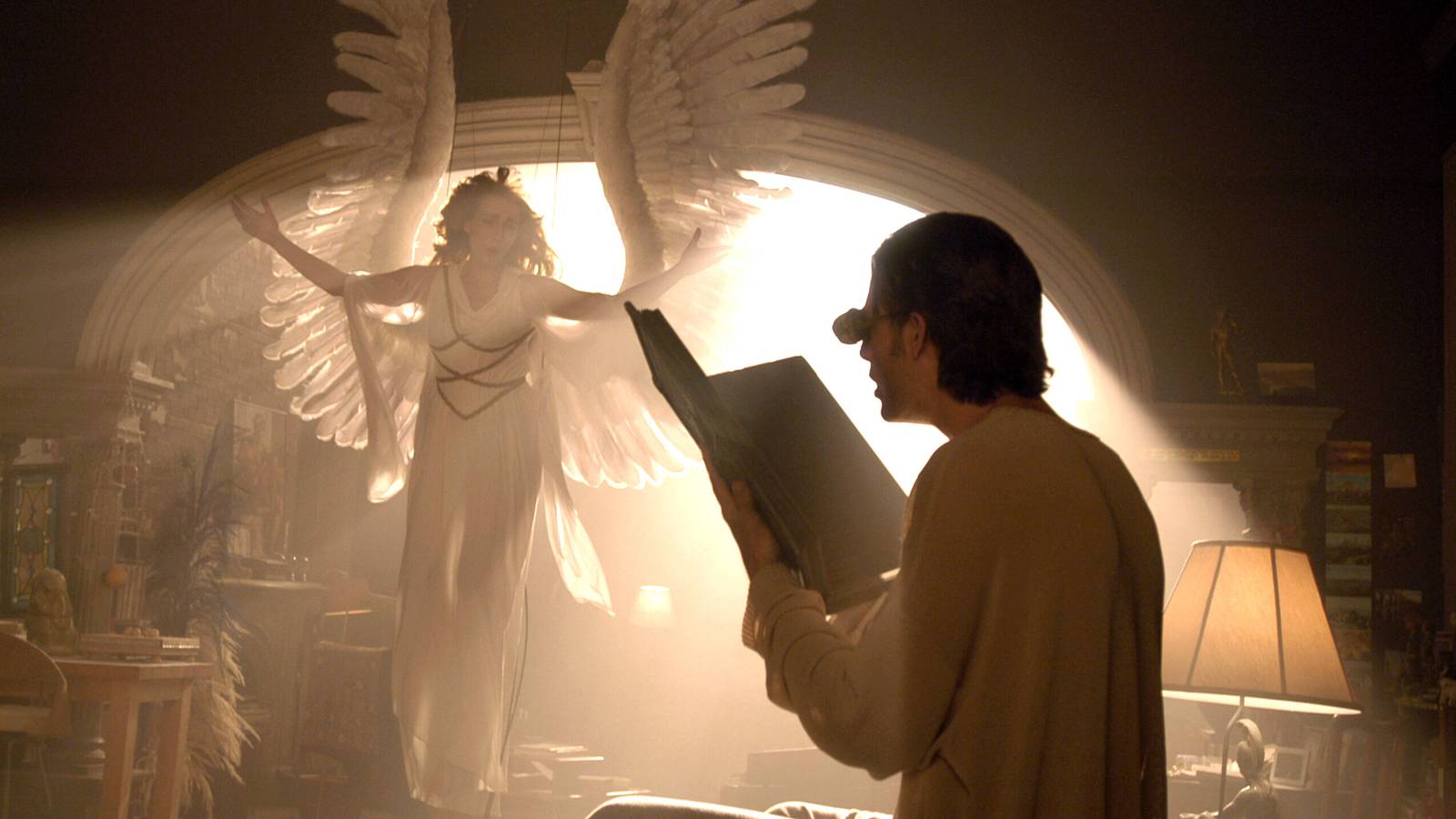
Bateman credits Conrad's unique vision for allowing such "spicy meatballs" to exist within the show's otherwise tense and emotional landscape. "There's some great counterbalance," Bateman noted, pointing out that the show's raw vulnerability in other scenes makes these bold, playful swings possible. Harbour likened these moments to "little bonbons"—delightful bits of strangeness sprinkled into a dark narrative about marriage and normalcy.
A Love Triangle Shrouded in Mystery
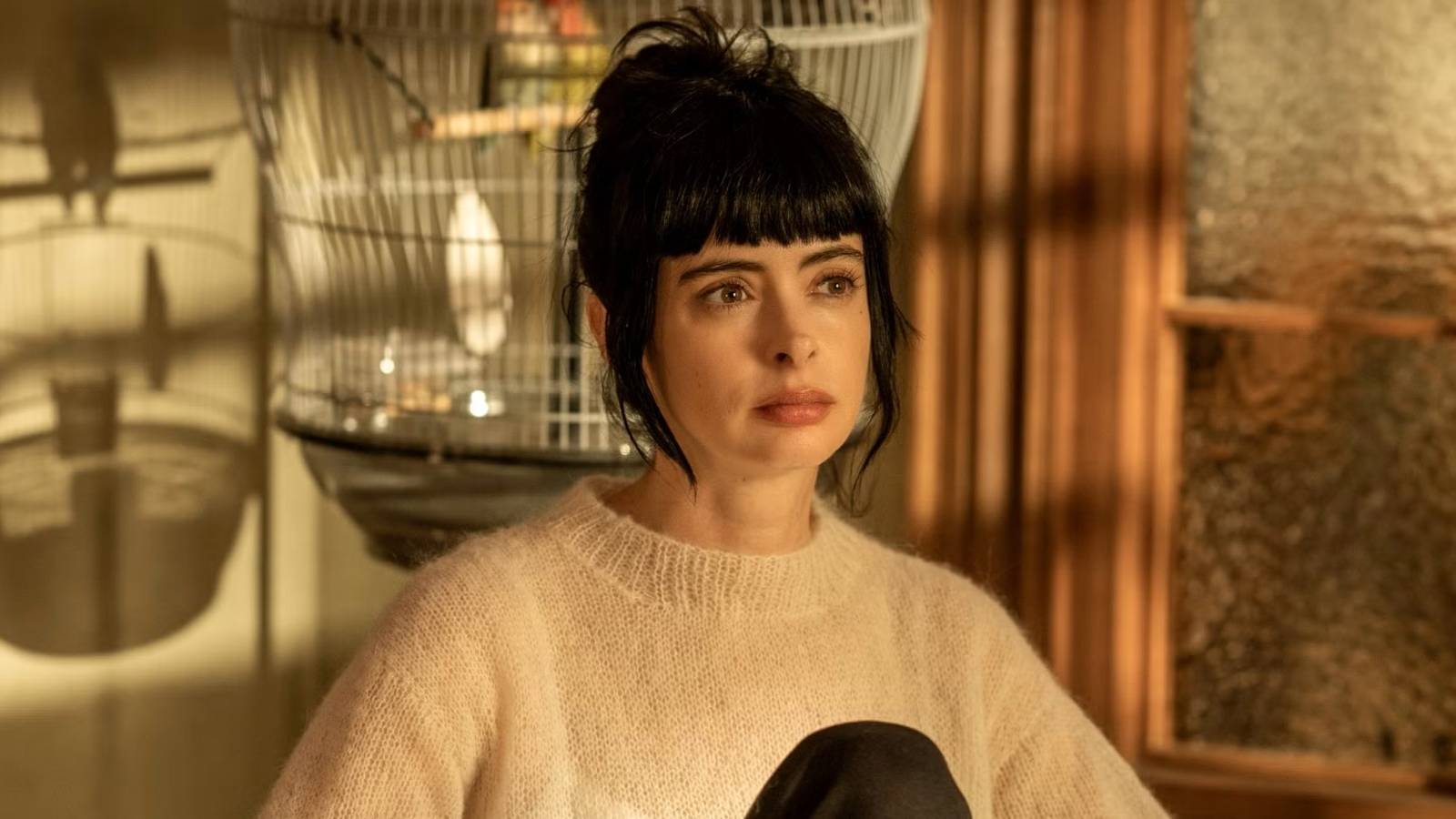
The series hinges on a deadly triangle. Clark begins an affair with Carol (Linda Cardellini), who is married to his friend Floyd. When Floyd turns up dead, both Clark and Carol become prime suspects. According to the cast, this setup is designed to keep viewers perpetually guessing. "There's all this stuff that's going on," Bateman said, describing a pivotal scene where Carol has a tender moment with Floyd, only for Clark to secretly grab her hand the moment Floyd leaves the room. This, Bateman suggests, is another clue that could make the audience flip their theory on who's responsible.
Cardellini and Bateman both emphasized that the narrative will constantly have audiences "going back and forth about who's responsible for what happened to Floyd." The ambiguity is baked into every interaction, making the show a compelling whodunit wrapped in a character study.
Floyd's Unexpected Past
Adding depth to the mystery is Harbour's character, Floyd, whose history includes a surprising stint as a Playgirl model. Harbour sees this detail as "core to what he struggles with nowadays." He elaborated, "He, at one point, very physically thought himself quite something. Now, he's in decline... It plays a big part, before his death, in what he wants and what he thinks of himself." This unexpected facet of Floyd's life, a creation of Conrad's "weird, wonderful brain," adds a layer of pathos and complexity to the man at the center of the crime.
The cast also touched on other elements, like a spontaneous kiss that emerged from a scene and Harbour's appreciation for working with co-star Peter Sarsgaard. The series represents the kind of ambitious, genre-blending storytelling that is becoming a hallmark of premium cable. For fans of intricate dramas with a twist, DTF St. Louis is being called a must-watch.
This behind-the-scenes look at creative process and character motivation echoes the revelations from other great series. It brings to mind how Cillian Murphy detailed the depths of Tommy Shelby, or how an unscripted moment defined Breaking Bad's most devastating episode. DTF St. Louis aims to join those ranks by keeping audiences on the edge of their seats, both with its mystery and its inventive storytelling.