Some characters just won't ride off into the sunset. Nearly eight decades after his comic book debut, the legendary gunslinger Lucky Luke is back in the saddle, and his new Disney+ series is capturing audiences worldwide. There's just one twist: if you're streaming from the United States, you're completely out of luck.
The eight-episode revival, which reimagines the 1940s Franco-Belgian cowboy for modern viewers, has quietly climbed into Disney+'s international Top 10 charts. It's holding its own against flashier, big-budget originals, proving there's still a hearty appetite for Western tales—especially ones that don't take themselves too seriously. The show's success in Europe, particularly in France and Belgium where the character is iconic, highlights its broad appeal, making its absence stateside all the more puzzling.

A Cowboy for the Modern Era
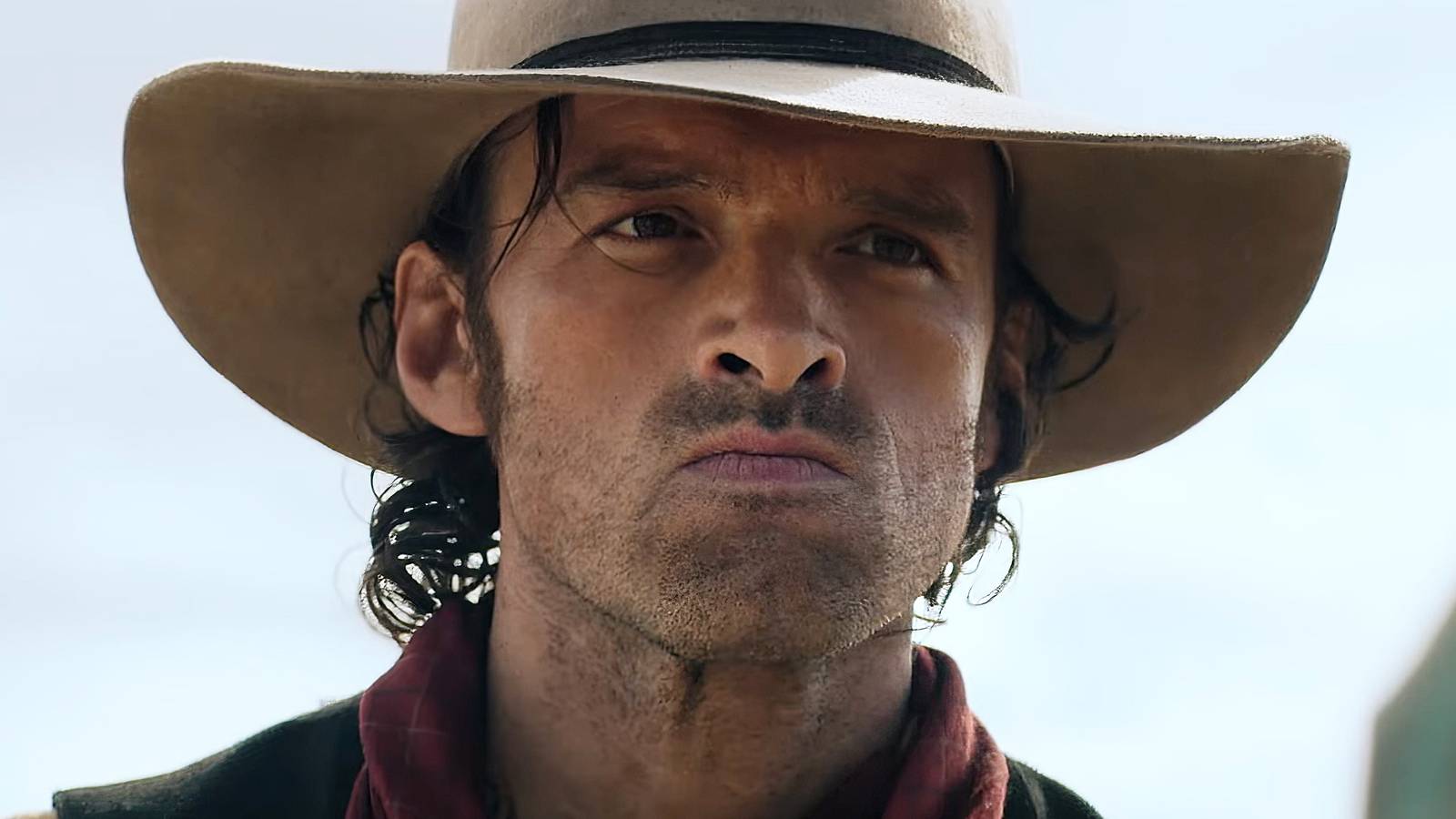
This isn't your grandfather's cartoon cowboy. Played with a world-weary edge by Alban Lenoir, this Lucky Luke carries the weight of his own legend. Known for being "faster than his shadow," he's portrayed as a capable but somewhat fatigued hero, tired of the myth that surrounds him. This depth provides a solid foundation, ensuring the series isn't just a slapstick comedy.
The plot kicks into gear when Luke forms an unlikely partnership with Louise (Billie Blain), a young woman searching for her missing mother. Their quest pulls them into a sprawling conspiracy that touches on the very foundations of the country. While the premise might sound grand, the storytelling remains grounded, never losing sight of its core: a classic Western adventure. Think dusty trails, corrupt townsfolk, and tense showdowns—all the hallmarks fans love. For those craving more genre-bending Westerns, the mind-bending sci-fi elements of Outer Range offer a fascinating parallel.
Why This Revival Works
In an era where Westerns often lean into gritty realism and moral ambiguity, "Lucky Luke" finds a sweet spot. It doesn't try to replicate the solemn tone of modern hits like Taylor Sheridan's universe, which includes shows like the recent Bass Reeves sensation. Instead, it serves as a perfect palate cleanser, blending action with a consistent, dry wit.
The humor is woven throughout—never overwhelming, but present enough to offer glimmers of hope in a bitter world. Even classic antagonists like the bumbling Dalton Brothers provide chaotic entertainment without undermining the story's stakes. Visually, the series delivers exactly what you'd want: lived-in landscapes, authentically chaotic towns, and action sequences that rely on tension rather than excessive effects.
Perhaps the show's greatest strength is its confidence. Unlike many reboots that feel desperate to prove their relevance, "Lucky Luke" is comfortable in its own skin. It uses its long legacy as a foundation, not a crutch, telling a story that stands firmly on its own. This approach to reviving classic material echoes the potential seen in other genres, much like the arguments for a modern take on the sci-fi classic 'V'.
The American Paradox
Here's the ironic twist: "Lucky Luke" is flourishing almost everywhere except the country where the Western genre was born. Its global success suggests a ready audience, yet U.S. Disney+ subscribers are left wondering when—or if—the lone cowboy will finally cross their digital frontier. This distribution gap is creating a wave of frustration and curiosity among American fans who are hearing the buzz from overseas.
For now, the series remains a testament to timeless storytelling. It proves that a well-crafted character, whether drawn from comics, film, or fantasy TV classics, can find new life for each generation. The show's international ride to the top of the charts is a clear signal: the appetite for a smart, slightly humorous Western is very much alive. American audiences will just have to wait for their invite to the campfire.