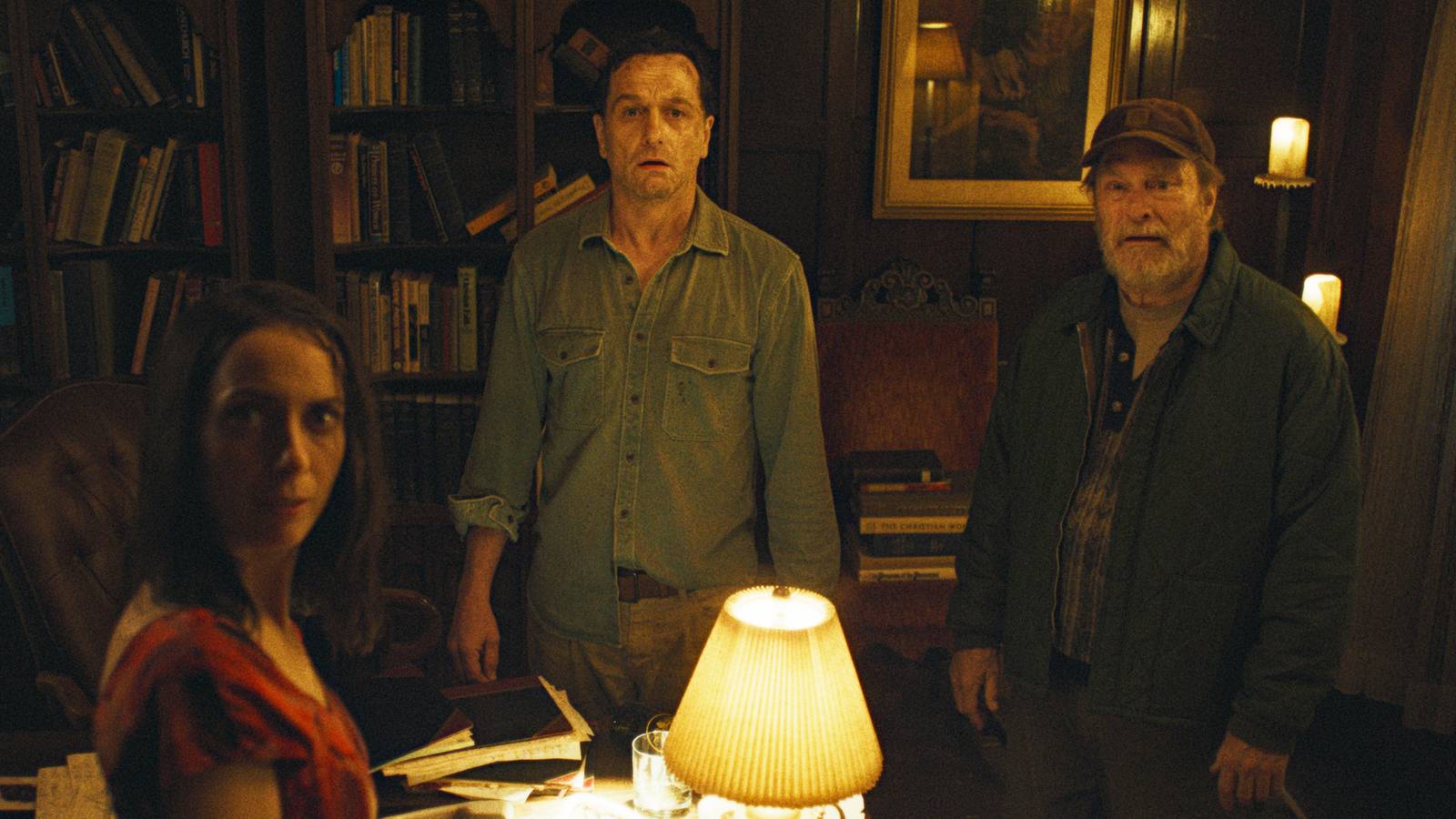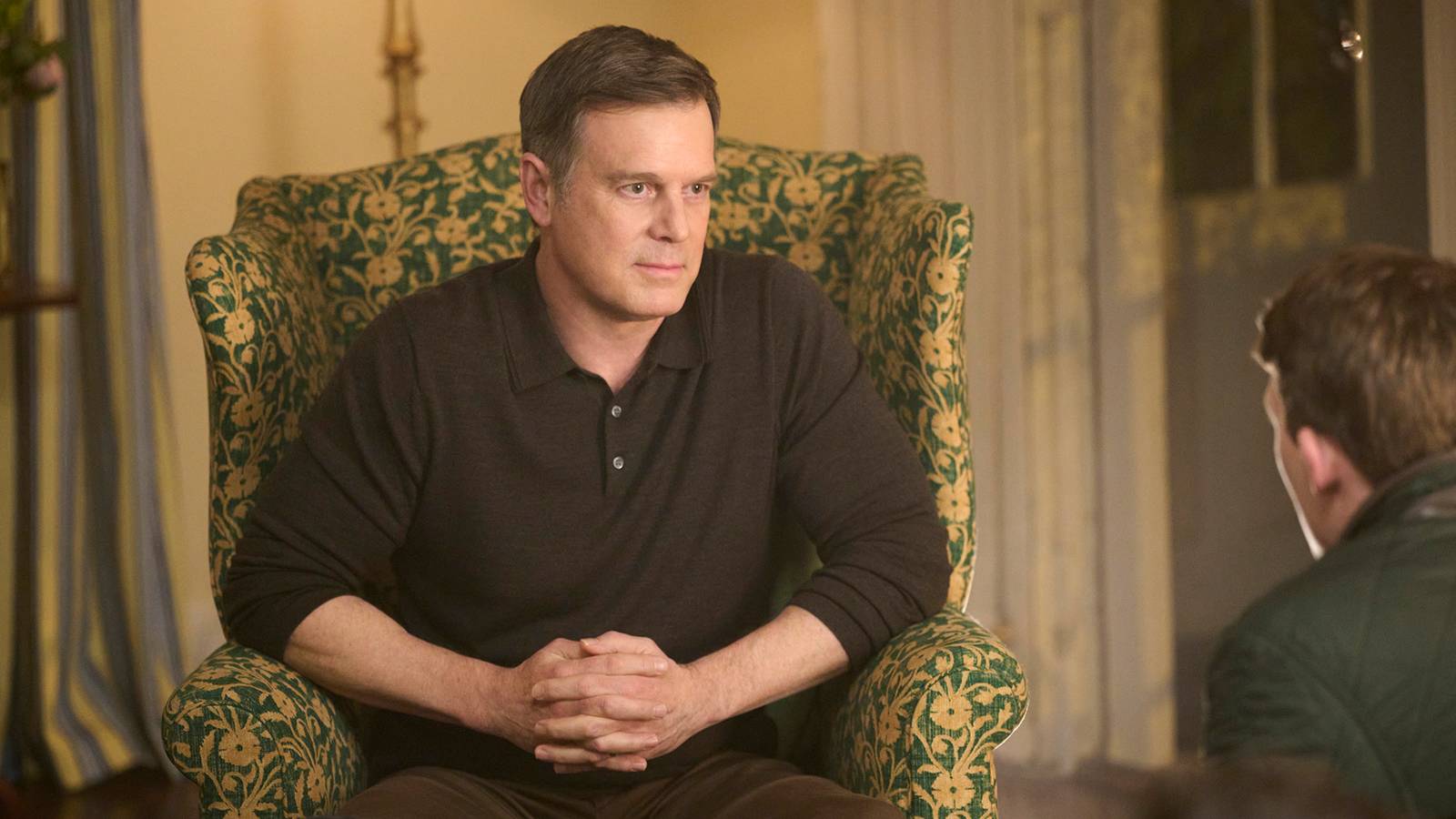
On paper, Dexter: Resurrection seems like the wildest gamble the Showtime series has ever taken. It yanks Michael C. Hall's iconic antihero out of Iron Lake and drops him into a New York City crawling with a rogue's gallery of serial killers played by Peter Dinklage, Krysten Ritter, Neil Patrick Harris, David Dastmalchian, and Eric Stonestreet. Yet amid all the blood and chaos, the season finds room for a devastating reunion with ghosts from Miami Metro that changes everything. But when Collider sat down with Hall, Ritter, and Jack Alcott after the finale, none of them wanted to talk about the kills.
Instead, the trio kept circling the ideas that define the revival's first season once the blood dries up: Who is Dexter now? What is Harrison becoming? And what happens when someone like Mia turns performance into survival? Sure, the kills give Resurrection its pulse, but it's the people that give it its wound.
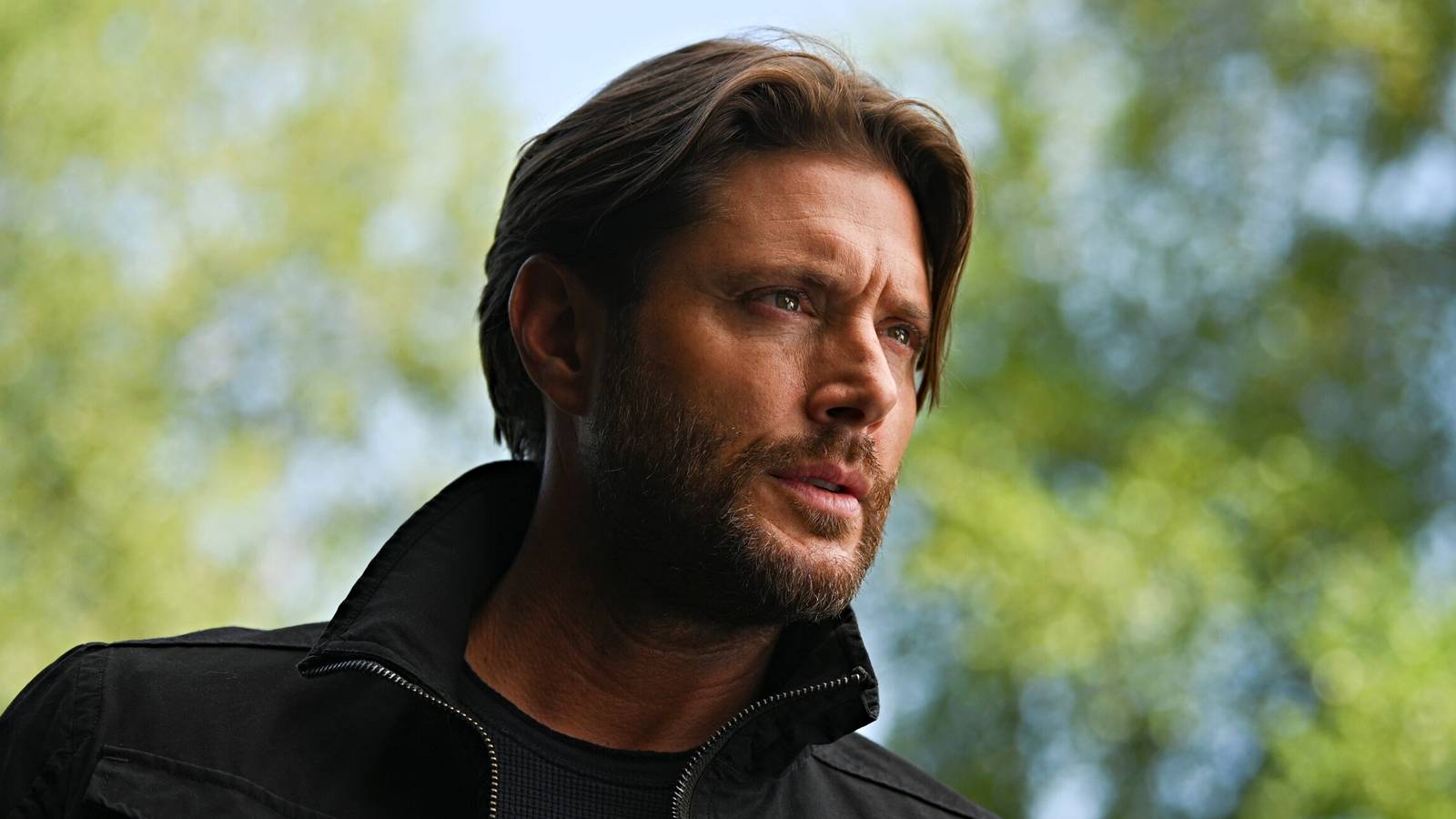
Dexter Morgan Finally Stops Looking for Answers
For Hall, that meant unpacking a version of Dexter no longer trapped by the same questions that haunted him for nearly two decades. Across eight seasons and the 2021 revival New Blood, the central question was always about Dexter's authenticity: Is he human or just pretending? In Resurrection, the series does something sneakier—it never erases that question, but it makes it feel less interesting.
Hall told Collider that Dexter has "a newfound, OG vitality about him that he didn't quite have access to, probably once Trinity killed his wife, Rita." That vitality comes from "the story that they created and the circumstances that Dexter finds himself with this literal new lease on life," especially after waking up from what should have been the end. "He doesn't have amnesia, he remembers it all," Hall says. "But I think getting shot and waking up and still being alive and feeling like he's not even supposed to be here, his life is just gravy. He's unburdened by it in a way."
That doesn't make Dexter safe, but it makes him different. Hall says he liked that Resurrection pulled his character out of "this deliberative mode of, 'Do I really love my son? What's the story?'" and forced him to act. "He just found out his son was in New York, and he went there," Hall says. "There was an impulse that sort of overrode the weighing of his monstrousness versus humanity."
Harrison's Fear of Becoming His Father
For Alcott, playing Harrison meant exploring a young man terrified of becoming his father—even though by season's end, we learn he's nothing like him. For years, Dexter looked at Harrison through the lens of his own darkness, projecting his compulsion onto his son. Resurrection spends its first season challenging that assumption. Hall believes Dexter slowly recognizes that projecting himself onto Harrison wasn't earning him the connection he wanted.
This father-son dynamic is part of what makes Resurrection feel sharper than a simple comeback. As Hall puts it, "I think he's put away the fetishization of being a human being and playing at being a human being and indulging in relationships. He's had experiences that have taught him that he needs to take more responsibility for the fact that relationships are actual, they're real."
Krysten Ritter's Mia: Performance as Survival
For Ritter, her character Mia spends so much time performing a specific version of herself that it's hard to know where the mask ends. Ritter dug into a woman who turns performance into survival, adding another layer to the season's exploration of identity. Over the course of our conversations, what emerges isn't a story about serial killers but one about identity, thanks to sharp, strategic writing that leans into the stories we tell ourselves about survival.
After nearly 20 years with Dexter Morgan—from sunny Florida to the concrete jungle of New York—this is what makes Dexter: Resurrection feel so different. The show is now returning for Season 2 this fall on Showtime, and if the first season is any indication, the blood may keep flowing, but it's the people who will keep us bleeding.
For more on the streaming landscape, check out our coverage of How 'The Agency' Season 2 Became Paramount+'s Biggest Spy Hit of July 2026 and Ted Lasso Season 4 Finally Gets August 2026 Release Date on Apple TV+.