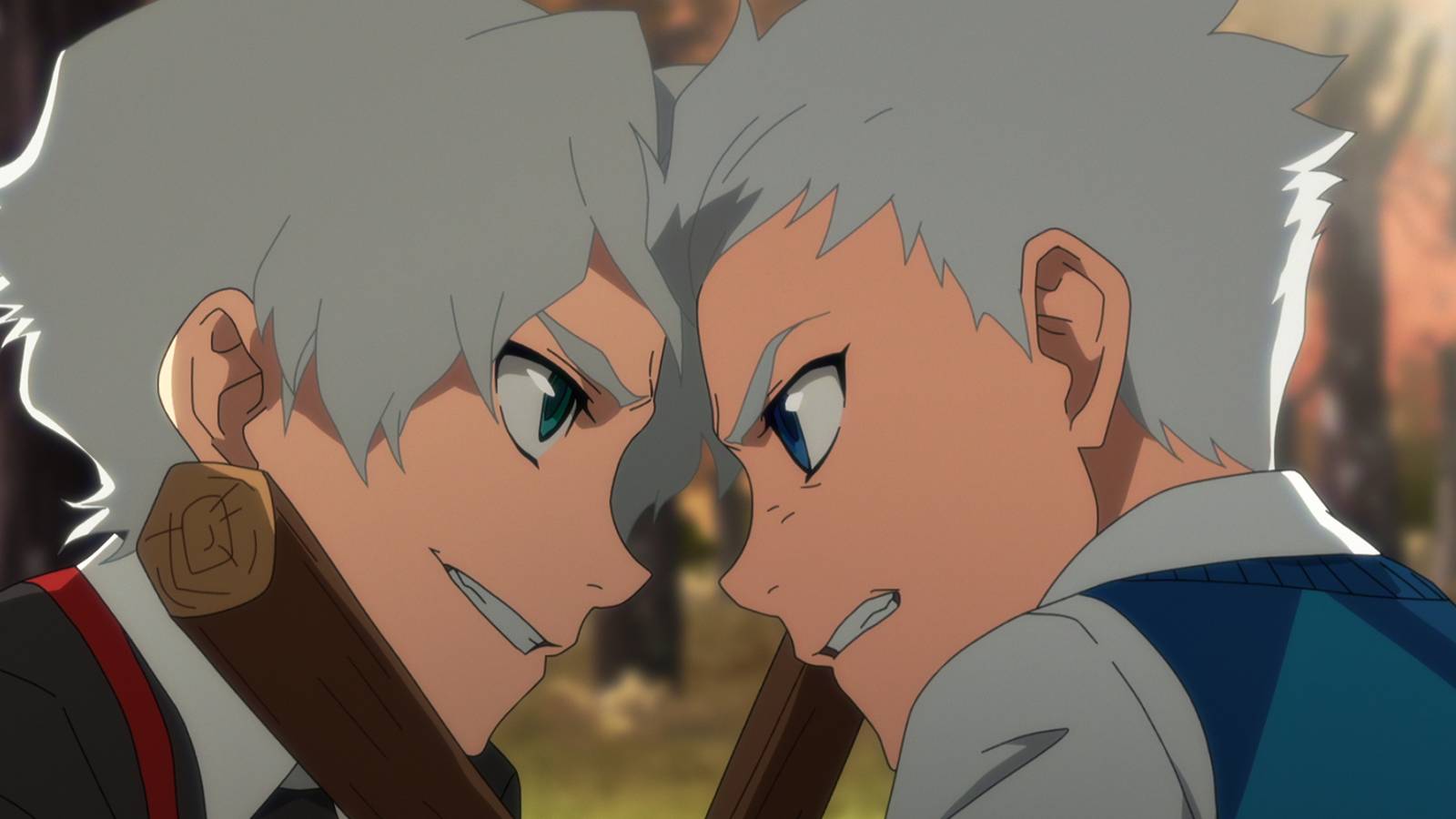
The video game adaptation renaissance continues to thrive, with hits like The Super Mario Galaxy Movie and Mortal Kombat II dominating theaters, while The Last of Us and Fallout set new standards on TV. But before all of them, Adi Shankar's Castlevania proved that anime-inspired storytelling could elevate gaming properties to critical acclaim. Shankar followed that triumph with Netflix's Devil May Cry, a visually breathtaking series that captured the spirit of Capcom's beloved franchise. Now, Season 2 has arrived, and while it doesn't quite reach the heights of its predecessor, it remains a wild, demon-slaying ride.
What's the Story This Time?
The United States has declared war on Hell, backed by the shadowy Uroborus corporation and its founder, Arius (Graham McTavish). Their target is the demon realm of Makai and its ruler, Mundus (Ray Chase). But Mundus' most feared soldier—the half-human, half-demon swordsman Vergil (Robbie Daymond)—throws a wrench into their plans. Vergil is also the brother of everyone's favorite demon hunter, Dante (Johnny Yong Bosch), who is awakened from cryo-stasis to help Lady (Scout Taylor-Compton) save the world once again.
Season 1 surprised audiences by humanizing the demon realm, drawing parallels to real-world politics. Season 2 continues that trend, using the war on Makai to explore themes of conflict and prejudice. It's a clever layer beneath the over-the-top action, proving that Devil May Cry isn't just about stylish combat—it has something to say.
Dante Takes a Backseat
One of Season 1's strengths was its compelling supporting cast, and that continues here—but it comes at a cost. Vergil is a fantastic addition, bringing a hyper-focused intensity that contrasts perfectly with Dante's carefree attitude. Their rivalry, one of gaming's greats, is fleshed out with unpredictable dynamics. Lady remains a delight with her puns and one-liners. However, all this attention on side characters leaves Dante feeling sidelined in his own story.
Season 1 managed to balance this by making Dante's investment in the world feel natural. But in Season 2, the main character often feels like an afterthought. It's a bummer, especially since the show also has to follow up Season 1's sensational villain, The White Rabbit (Hoon Lee). Arius, while voiced with bravado by McTavish, lacks the same depth and memorability. He's not bad, but he doesn't make the same splash.
Visuals That Steal the Show
Despite these narrative hiccups, Devil May Cry remains one of the most beautiful video game adaptations ever made. Season 2 is a visual feast, with the same vibrant, detailed art style that made Castlevania stand out—amplified to new heights. Every frame is packed with color and energy, making it a treat for the eyes.
The action sequences are equally stunning, delivering the absurd brutality fans love. Each sword slice and bullet feels purposeful, accompanied by a heavy metal soundtrack that fits perfectly. It's a sensory overload in the best way possible. For more on how streaming shows are raising the bar, check out our look at Fargo's enduring legacy.
A Slight Step Down, But Still Worth Watching
Season 1 felt like a near-perfect blend of honoring the games and exploring new territory. Season 2 feels more like a direct adaptation of the second game, which isn't bad, but it lacks the same dynamism—especially when Vergil and Lady aren't on screen. It's a slight step down, but the technical prowess and sheer spectacle make it a must-watch for fans and newcomers alike.
If you're looking for more binge-worthy content, consider adding these three Netflix shows to your weekend lineup. And for those who appreciate top-tier animation, Devil May Cry Season 2 is streaming now on Netflix.