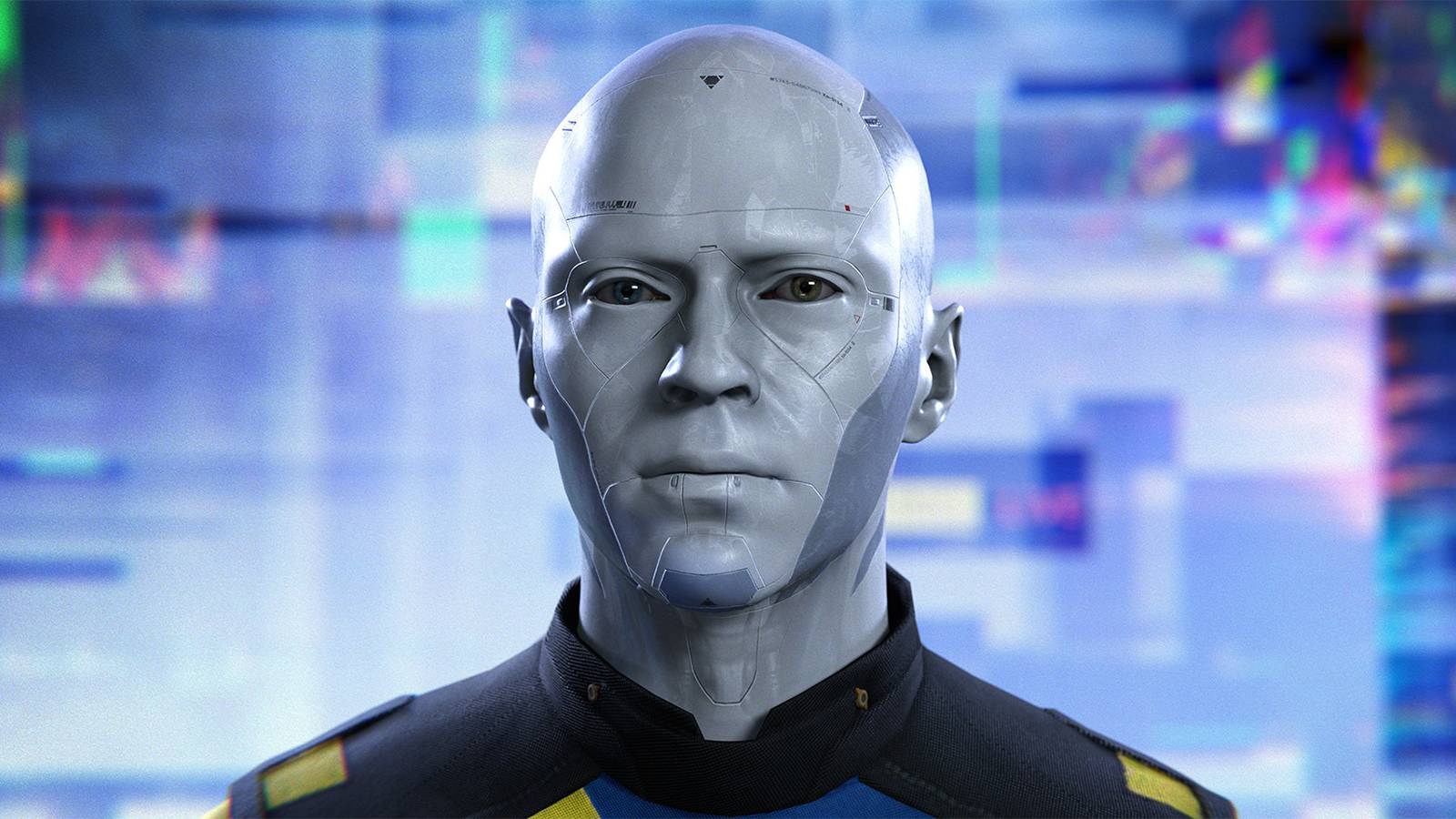
In a landscape crowded with AI-driven narratives—from Blade Runner to Westworld—finding a fresh angle on synthetic life gaining consciousness is no small feat. Yet Quantic Dream's 2018 video game Detroit: Become Human dared to ask players to step into the shoes of androids and shape their destinies through countless choices. The result is a gripping, if uneven, technopunk saga that, eight years later, seems tailor-made for a streaming series.
Set in a 2038 Detroit where the automotive industry has given way to CyberLife's mass-produced humanoid robots, the game paints a chillingly plausible future. These androids perform every job without complaint, replacing a third of the workforce and sparking social unrest. When some begin to develop emotions and free will—labeled "deviants"—they become targets for reprogramming or execution. It's a premise that resonates even more today, as real-world debates about automation and inequality intensify.

The game's three protagonists offer distinct windows into this world. Connor, a cutting-edge investigator, hunts deviants alongside his human partner, the android-hating Hank. Kara, a housekeeping model, defies her programming to protect a young girl from abuse. And Markus, a caretaker for ailing artist Carl, becomes an unlikely revolutionary leader. Their intertwined stories explore identity, empathy, and rebellion, all wrapped in a neo-noir aesthetic that screams for live-action treatment.
What makes Detroit: Become Human so compelling is its branching narrative—a feature that could translate beautifully into a serialized format. The game's multiple endings and moral dilemmas could be expanded into a season-long arc, allowing deeper character development and more nuanced exploration of its themes. The visual style, with its moody neon and gritty urban landscapes, is already cinematic, and the performances from Bryan Dechart, Clancy Brown, Valorie Curry, and Jesse Williams are top-tier.
However, the game isn't without its flaws. Its metaphors for civil rights and discrimination are often heavy-handed, and its portrayal of marginalized groups has drawn criticism. A TV adaptation would have the chance to correct these missteps by involving diverse writers and directors who can add the necessary depth and sensitivity. As Fallout proved, a thoughtful adaptation can elevate source material to new heights.
Streaming platforms have shown a hunger for ambitious sci-fi, and Detroit: Become Human offers a ready-made universe with built-in fanbase. With the right creative team, it could become the next must-watch series, blending philosophical questions with pulse-pounding action. The time is ripe for this technopunk tale to make the leap from console to screen.