Forget the polished Hollywood blockbuster. Some of cinema's most gut-wrenching and unforgettable experiences come from the raw, unfiltered world of independent film. The 2004 British revenge thriller Dead Man's Shoes, directed by Shane Meadows, stands as a towering example. This isn't just a movie; it's a sustained, atmospheric assault on the senses that has earned its reputation as one of the most psychologically intense films ever made.
A Genre-Defying Descent Into Darkness
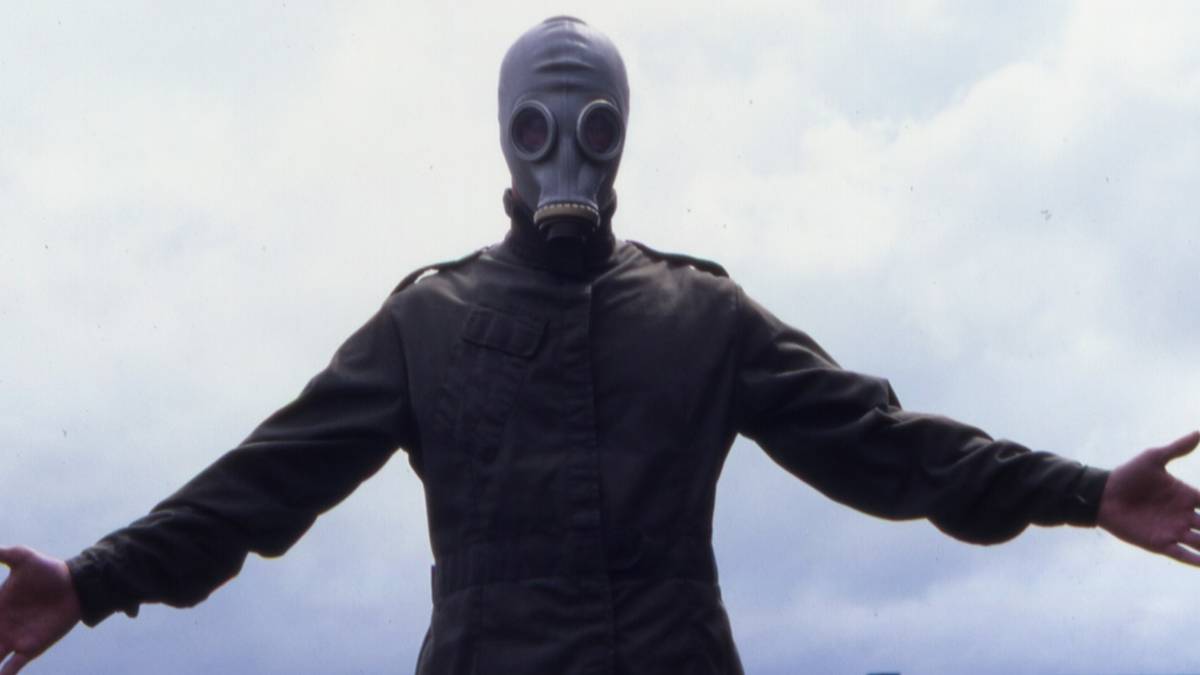
Attempting to categorize Dead Man's Shoes is a fool's errand. At its core, it's a revenge story, but it masterfully blends elements of psychological thriller, horror, and even the slasher genre into a uniquely terrifying cocktail. The film follows Richard, a former soldier played with terrifying quietude by Paddy Considine, who returns to his small hometown with a singular, grim purpose: vengeance. His target is a local gang of petty criminals who tormented his younger brother Anthony (Toby Kebbell), who has learning disabilities, while Richard was away serving his country.
The narrative unfolds through a harrowing mix of present-day terror and devastating flashbacks, gradually revealing the depth of Anthony's suffering. This structure ensures the viewer is never on stable ground, mirroring Richard's own fractured psyche. The film's gritty, almost documentary-like aesthetic, a hallmark of influential British indie cinema, amplifies the brutal realism, making the horror feel uncomfortably close to home.
The Engine of Unrelenting Intensity
What sets Dead Man's Shoes apart is its sheer, uncompromising intensity. From the opening frames, the film establishes a mood of dread that never lets up. This isn't achieved through cheap jump scares, but through profound psychological weight. The moral landscape is murky; Richard's quest is driven by fraternal love, but also by guilt, trauma, and a deep-seated rage that borders on the monstrous. This moral ambiguity forces the audience to constantly question their own allegiances, ratcheting up the tension to almost unbearable levels.
Director Shane Meadows employs every tool to maintain this chokehold. The soundtrack is a character in itself, weaving haunting melodies with stretches of stark, oppressive silence that make every footstep and whispered threat feel monumental. The film's most iconic scene—a roadside confrontation between Considine's Richard and gang leader Sonny (Gary Stretch)—is a masterclass in building tension through minimalism, relying on searing dialogue and palpable threat rather than action.
A Legacy of Raw Power and Breakout Performances
Dead Man's Shoes served as a powerful launchpad for its stars. Paddy Considine delivers a career-defining performance, a volcano of repressed emotion simmering beneath a cold exterior. Toby Kebbell is equally heartbreaking as the vulnerable Anthony. The film announced them as major talents, much like other indie breakouts before them, and its influence can be felt in the gritty, character-driven thrillers that followed.
Ultimately, the film is a devastating exploration of trauma, guilt, and the cyclical nature of violence. It asks painful questions about justice and retribution without offering easy answers. It's a war film, but the battlefield is the human soul. For fans of thrillers that prioritize psychological depth over spectacle, from the slow-burn tension of shows like Apple TV's 'Invasion' to the gritty crime of 'The Killing', Dead Man's Shoes is essential, if challenging, viewing.
Be warned: this is not a casual watch. It's a film that grabs you and doesn't let go, leaving a haunting impression long after the credits roll. It stands as a stark reminder of the raw, transformative power of independent cinema and a benchmark for just how intense a psychological thriller can truly be. If you're looking to test your nerves, look no further. For more pulse-pounding recommendations, check out our list of The 10 Best Thriller Movie Openings Ever.