For two seasons, Mindhunter captivated audiences with its tense, dialogue-driven interviews between FBI agents and serial killers. But according to director David Fincher, Netflix had a different vision—one that ultimately led to the show's demise.
In a recent appearance on the Happy Sad Confused podcast, Fincher opened up about the streaming giant's push to transform Mindhunter into a more conventional crime thriller, complete with gun-toting agents chasing suspects. The director, known for his meticulous style, was having none of it.
“That's when Netflix said, 'Look, we've got to be honest with you. There are two million people who love the show. And the show costs $100 million a season,'” Fincher recalled. The numbers didn't add up for the streamer, which suggested a more CSI-like approach to broaden the appeal.
But for Fincher, the heart of Mindhunter was always the psychological cat-and-mouse, not the physical chase. “No, I can't. I won't. And I don't think you really want me to,” he said, explaining his refusal to compromise his creative vision.
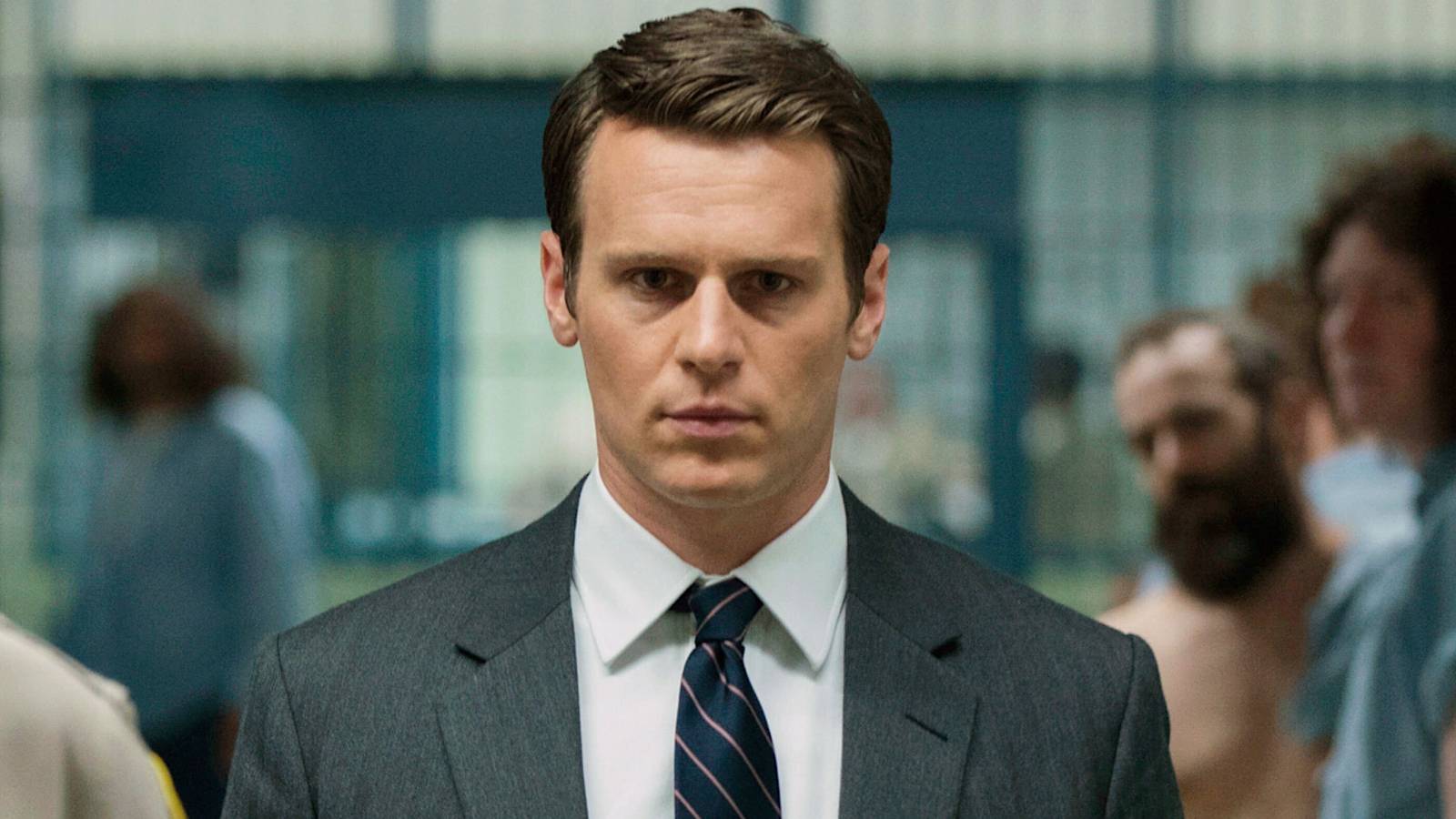
The show, which delved into the origins of criminal profiling, featured standout performances from Jonathan Groff as Holden Ford and Holt McCallany as Bill Tench. Their quiet, intense interrogations with killers like Edmund Kemper (Cameron Britton) were the show's signature, and Fincher wasn't about to trade that for formulaic action.
Despite the cancellation, there's been talk of a possible return. McCallany has hinted at a trilogy of films, but Fincher remains cautious, noting that any revival would depend on scripts that meet his standards. He also mentioned the grueling 90-hour work weeks that made the series a labor of love—and a logistical challenge.
For now, both seasons of Mindhunter remain available on Netflix, and fans can revisit the chilling conversations that made the show a cult favorite. If you're looking for more true-crime drama, check out this haunting Netflix thriller or the new series that's filling the Yellowstone void.
Fincher's comments shed light on the business realities of streaming, where even critically acclaimed shows can't survive without massive viewership. It's a reminder that sometimes, the most compelling stories are the ones that don't fit the mold.