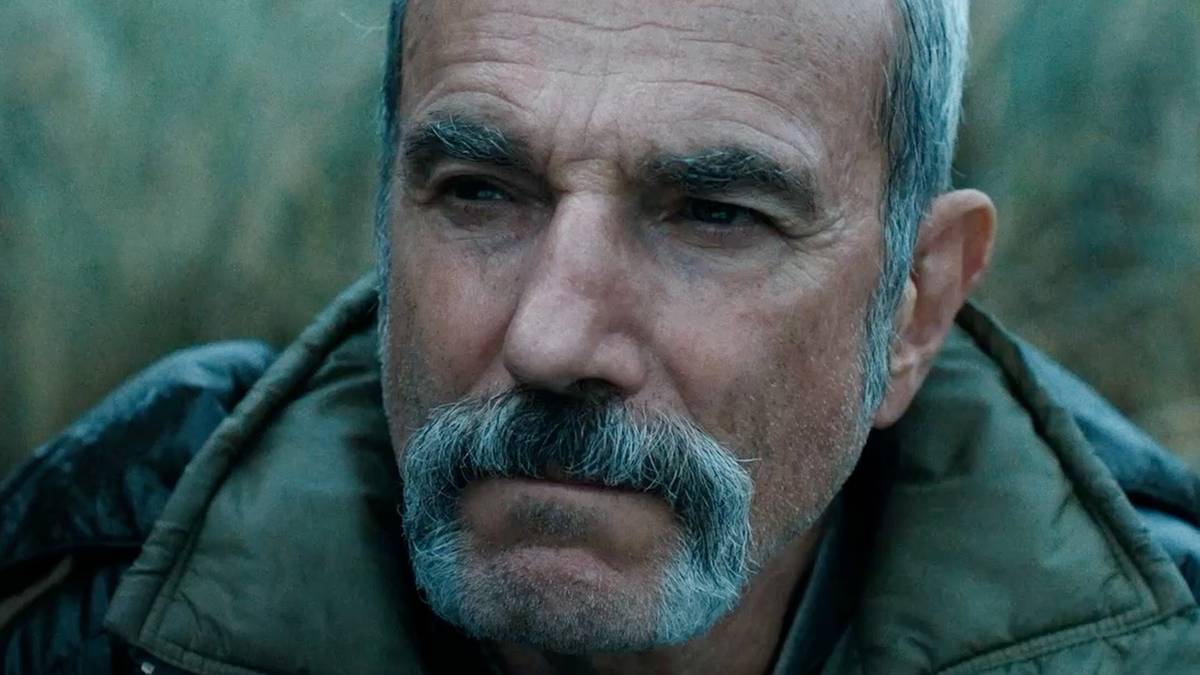
After an eight-year absence from the screen, legendary actor Daniel Day-Lewis has made a surprising return—not for a major studio epic, but for a deeply personal family project. His new film, Anemone, marks the directorial debut of his son, Ronan Day-Lewis, and is now available for streaming on Netflix. This move brings one of cinema's most revered performers back into the spotlight through an intimate, generational story.
A Family Affair Draws a Legend Back
Day-Lewis famously announced his retirement from acting following his 2017 masterpiece, Phantom Thread. For nearly a decade, he stayed true to that declaration, leaving fans to wonder if they'd ever see him perform again. The bond between father and son proved powerful enough to reverse that decision. Anemone is a collaborative effort, co-written by Daniel and Ronan, and presents a stark drama set in Northern England. It pairs Day-Lewis with Sean Bean, who play long-estranged brothers forced to confront a painful shared history.
The Story of Trauma and Reconnection
The narrative centers on Jem (Sean Bean), a religious military veteran married to Nessa (Samantha Morton), the former wife of his brother Ray (Daniel Day-Lewis). Ray has lived in self-imposed isolation in the woods for two decades following a traumatic incident during his army service. Jem seeks him out with a request: to speak to their son, Brian (Samuel Bottomley), who is also in the military and facing expulsion. Their tense reunion becomes a catalyst for unpacking decades of guilt, loss, and the lingering scars of conflict. The film is a battle for the soul of the next generation, exploring how different men cope with profound pain.
A Debut Director's Bold Vision
At 27, Ronan Day-Lewis steps behind the camera with a notable legacy to both honor and distinguish himself from. His mother is acclaimed director Rebecca Miller, placing him firmly within cinematic royalty. His approach to Anemone is ambitious, blending gritty, realistic drama with striking, symbolic visuals. Some choices, like ethereal visions of a floating woman or a luminous, fantastical creature, create a jarring contrast with the film's earthy core. These elements have drawn mixed reactions, with some critics noting they feel like the bold, unpolished risks of a filmmaker finding his voice. Yet, they undeniably showcase a willingness to experiment.
Day-Lewis Proves His Mastery Hasn't Dimmed
If there is unanimous praise for Anemone, it is for Daniel Day-Lewis's performance. As Ray, he embodies a man spiritually broken, haunted by his past and consumed by bitterness. His time away from the craft has done nothing to diminish his power. The film features two standout monologues that remind viewers why he is considered one of the greats. One is a visceral, graphic recollection of delivering punishment, delivered with captivating intensity. The other is a quieter, heartbreaking confession to his brother about the incident that shattered his life, performed with devastating, unadorned pain. In these moments, the film transcends its flaws, becoming a showcase for an actor operating at the peak of his abilities.
The supporting cast is equally strong, with Sean Bean providing a grounded counterpoint as the brother seeking redemption through faith. Their dynamic drives the film's emotional engine. For those who enjoy tense, character-driven dramas, Anemone offers a compelling, if uneven, experience. Its arrival on Netflix makes it easily accessible for subscribers looking for serious adult drama. If you're building your watchlist, this film joins other gripping titles like these films that master tension or the sophisticated thrills of Guy Ritchie's 'The Gentlemen'.
A Curious Chapter in a Storied Career
Anemone stands as a fascinating footnote in Daniel Day-Lewis's career. Known for collaborating with auteurs like Martin Scorsese and Paul Thomas Anderson, his choice to work with a first-time director—his own son—speaks to the project's personal nature. The result is not a polished masterpiece but a raw, interesting experiment. It may not reach the heights of his past work, but it serves as a potent reminder of his unparalleled talent and a promising introduction to a new directorial voice. For fans of the actor, it is an essential, if flawed, viewing. And for Netflix subscribers, it's a significant addition to the platform's drama library, arriving just before other major titles are set to depart.