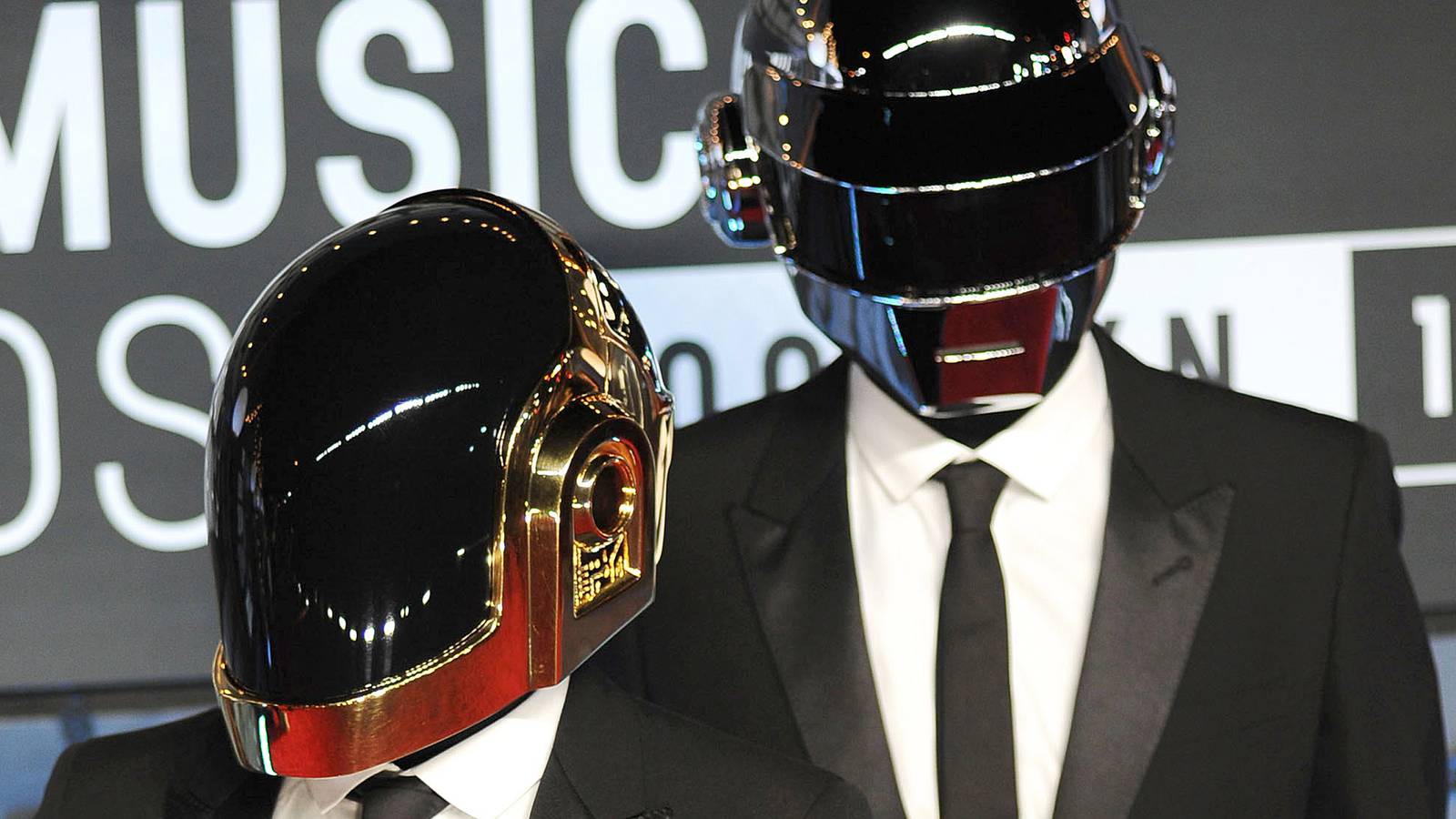
The robotic helmets may be retired, but the beat goes on. Daft Punk, the legendary French electronic duo, has secured another monumental accolade for their catalog. Their 2001 smash hit "One More Time" has just been declared the number one party song of all time in a new ranking by Time Out, solidifying its status as the ultimate dance floor ignition switch.
The Undisputed Champion of Celebration
While Daft Punk's influence stretches across decades with classics like "Around the World" and "Harder, Better, Faster, Stronger," "One More Time" holds a special place in the cultural zeitgeist. The track didn't just top Time Out's list; it has consistently dominated similar rankings by prestigious publications like Rolling Stone, Pitchfork, and The Village Voice. This unanimous praise underscores the song's unique, enduring power to unite crowds and define moments of pure celebration.
From School Friends to Sonic Pioneers
The story of Daft Punk begins with Thomas Bangalter and Guy-Manuel de Homem-Christo, who met in a Paris secondary school in 1987. Bonding over a shared passion for music, their early collaborations even included a brief stint in an indie rock band. By 1993, they had forged their own path, forming Daft Punk and developing a genre-blurring sound that masterfully wove together house, disco, funk, and pop. Their eclectic inspirations—ranging from Fleetwood Mac to Dr. Dre—directly fueled the creative fire behind "One More Time."
A Controversial Tool That Defined a Sound
Upon its release, "One More Time" sparked debate for its heavy, intentional use of auto-tune on vocalist Romanthony's performance. Critics questioned the technique, but Bangalter defended it as an artistic instrument, comparing the controversy to the initial backlash against synthesizers in the 70s. The duo viewed auto-tune not as a replacement for talent, but as a tool to create a distinct, futuristic aesthetic. This innovative spirit, much like the genre-defying work of artists such as the Arctic Monkeys, pushed musical boundaries and paved the way for future generations.
The song is also a brilliant piece of musical collage, seamlessly sampling Eddie Johns' 1979 disco track "More Spell on You" and blending it with original production. This alchemy created something entirely new and irresistibly kinetic. The track's iconic anime music video, featuring blue aliens performing as an invasion looms, further cemented its status as a multimedia art piece, later expanded in their 2003 film Interstella 5555.
Legacy of a Dance Floor Titan
The initial controversy did nothing to slow the song's meteoric rise. "One More Time" soared to number one in France, number two in the UK, and charted significantly in the US. It transformed from a debated single into a global anthem, its vocoder-led hook becoming a universal signal for celebration. The track's success demonstrated how sampling and vocal processing, when executed with vision, could become central to mainstream pop and dance music, influencing countless artists in its wake.
Even after Daft Punk's dissolution in 2021, their music continues to resonate powerfully. "One More Time" remains a staple in films, commercials, and streaming playlists worldwide, its status only growing with time. Its recognition as the definitive party song is a testament to its perfect construction—a build-up of euphoric synth chords, a pounding four-on-the-floor beat, and that immortal, robotically soulful plea to celebrate life just a little longer.
In an entertainment landscape filled with fleeting trends, "One More Time" stands as a permanent fixture. It's a reminder of Daft Punk's genius in crafting not just songs, but experiences. Whether it's fueling a club night, a wedding reception, or a solo kitchen dance party, the command to play it "one more time" is one the world seems destined to obey forever. For fans seeking that same blend of iconic music and gripping narrative, the resurgence of classic stories continues on streaming, with hits like Sons of Anarchy finding new audiences.