Prestige crime dramas have a nasty habit of overstaying their welcome. What begins as a razor-sharp mystery about a missing child can balloon into eight seasons plus a spin-off nobody asked for, with writers inventing new murders just to keep the cast employed. But the shows below never got that chance. Some ended because their creators chose to, others were cut down too soon. Either way, their compact episode counts are exactly why they're worth revisiting.
Under 40 episodes, every scene has to matter. There's no room for filler or a season spent staring at corkboards. What you get is brevity—the secret ingredient to truly great crime television. Here are crime shows that deserve a weekend of your time.
Hannibal (2013–2015)
Bryan Fuller took the Thomas Harris universe, dipped it in candle wax, and produced the most operatic procedural NBC ever aired. Will Graham (Hugh Dancy), a profiler whose empathy for killers has shredded his nerves, gets paired with Baltimore's most sophisticated psychiatrist, Dr. Hannibal Lecter (Mads Mikkelsen). The catch? Lecter is secretly the cannibal Will's been hunting. The show never hides this from the audience. Instead, the tension comes from watching Will slowly realize what his dinner companion has been serving him.
Mikkelsen plays Hannibal as a wounded snob rather than a movie monster, which makes the whole thing delicious. The kitchen scenes are mouth-watering—if a Michelin-starred doctor got the David Lynch treatment. 39 episodes across three seasons feels short because the show was canceled in its prime, but that tight run works in its favor. No dead weight, just a slow-burn romance between a man and the person who might eat his entrails.
Broadchurch (2013–2017)
Chris Chibnall's small-town detective drama landed on ITV in 2013 and kicked off the David Tennant and Olivia Colman era of prestige British telly. Broadchurch follows the death of an 11-year-old boy on a Dorset beach where everyone knows everyone. Two detectives—one local, one an outsider with heavy baggage—must solve the case while the town collapses around them.
Colman's performance in the first season is why this show is remembered so fondly. She plays a working cop whose family and closest friends are all suspects. 24 episodes across three seasons let the town grieve on screen rather than shoving it aside for whodunit business. Season 2 is uneven, everyone agrees, but the first arc is one of the great pieces of British crime television.
Peaky Blinders (2013–2022)
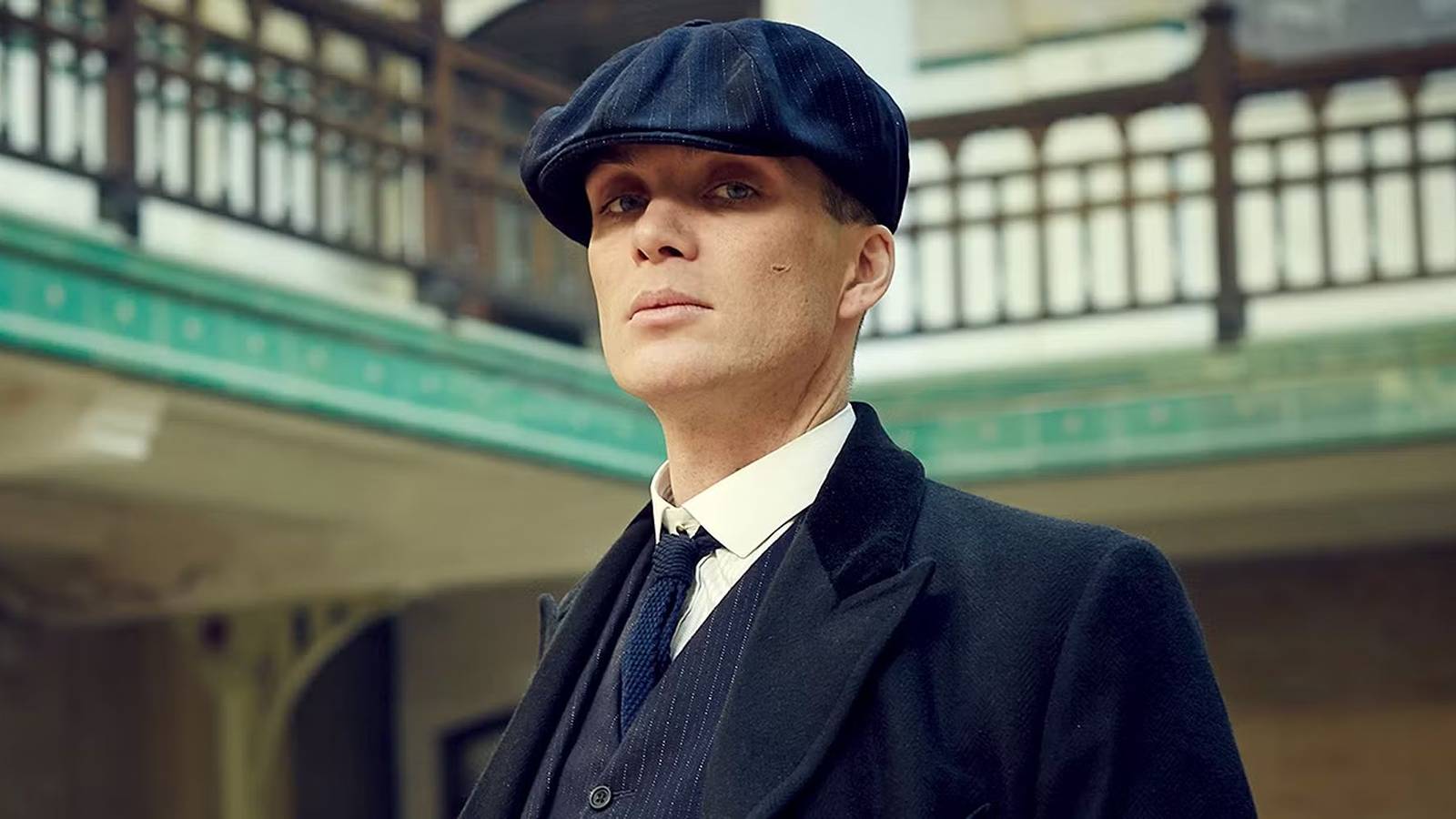
Steven Knight spent nine years and 36 episodes on the Shelby family, a Birmingham crime dynasty run by Cillian Murphy's Tommy Shelby, whose cheekbones do half the acting and whose interior life is a nightmare. The show starts in 1919 with the Shelbys running bookmaking and racecourse rackets, then climbs decade by decade into international arms deals and fascist politics.
Peaky Blinders is a period gangster show that scores its slow walks to Nick Cave. Once you accept the show refuses to draw inside the lines, the whole experience becomes a hell of a lot more fun. Six seasons of six episodes each means every run is short enough to blaze through.
Mare of Easttown (2021)
Kate Winslet arrived on HBO with an accent so thick you'd need a cleaver to cut through it, and had the country salivating for a Wawa hoagie by the end. Brad Ingelsby's seven-episode miniseries follows Mare Sheehan (Winslet), a small-town detective in Pennsylvania running out of patience with her ex, her mother (Jean Smart), her grandson's custody situation, and a missing-persons case that keeps refusing to resolve. Then a body turns up.
The show works because it treats the mystery as the least interesting thing about its town. What's interesting is the way everybody knows everybody's business, and how Winslet plays a woman who has to do her job among the people she went to high school with. Nobody in this town gets to move on cleanly, and the show doesn't rush them.
The Sinner (2017–2021)
Season 1 of The Sinner opens with Jessica Biel stabbing a stranger on a beach for no apparent reason. Bill Pullman shows up as Detective Harry Ambrose, a sad man in cardigans who cares less about the crime than the psychology underneath it. Each subsequent season resets with a new case and a new central mystery, keeping Ambrose as the constant. The show is basically about why people do awful things, filtered through Pullman's rumpled decency.
What keeps it lean is the season-by-season reset. Nobody has to bend a story around a returning cast, so each season can commit fully to its own weirdness. 32 episodes across four seasons, all built on the premise that we know the who and the what, so the only remaining question is the why. Biel is genuinely great in the first season, and Carrie Coon shows up in Season 2 to do what she does best: out-act everyone on screen.
Mindhunter (2017–2019)
David Fincher's FBI drama tracks the birth of criminal profiling in the late '70s, when Holden Ford (Jonathan Groff) and Bill Tench (Holt McCallany) start driving around America interviewing incarcerated serial killers to figure out what makes them tick. Anna Torv plays the academic who keeps their methodology from collapsing into cowboy nonsense.
Mindhunter is procedural in the least sexy way possible, and that's the point. Fincher gives us long conversations in fluorescent prison rooms with killers like Ed Kemper, and the show's tension comes from the psychological chess match, not gunfights. Two seasons and 19 episodes, and it's still one of the best things Netflix has ever made. If you're looking for more streaming gems, check out our Netflix binge guide for other picks.
These shows prove that sometimes less really is more. Whether it's the operatic horror of Hannibal or the quiet grief of Broadchurch, each one delivers a complete, satisfying story without overstaying its welcome. So clear your weekend, pick one, and enjoy the ride.