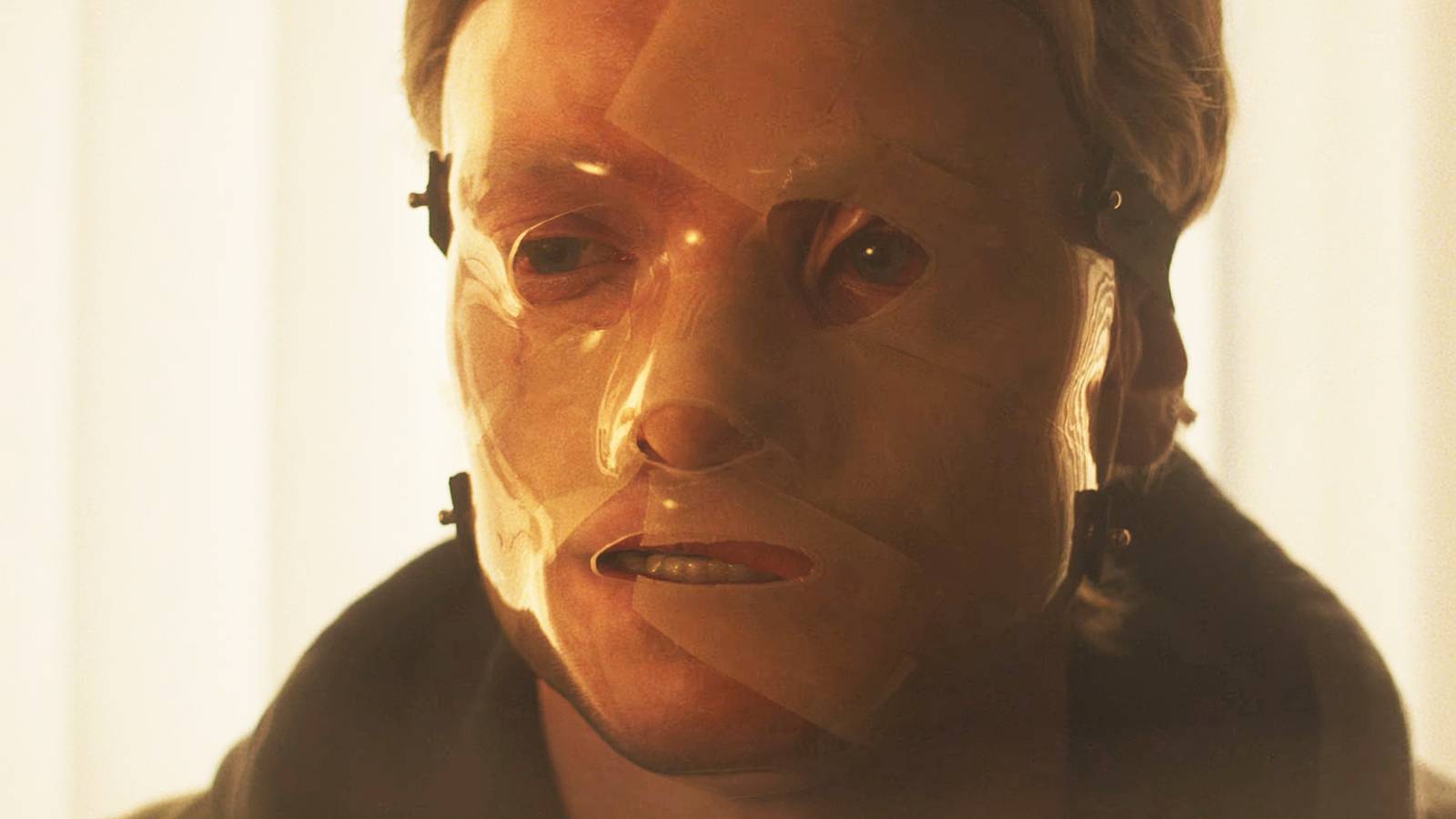
In the new DCU horror film Clayface, director James Watkins (Speak No Evil) takes audiences on a harrowing journey that asks a provocative question: at what point does a hero become an anti-hero? The movie, written by Mike Flanagan (The Haunting of Hill House), explores this theme through the tragic origin of one of Batman's most iconic villains.
Matt Hagen (Tom Rhys Harries) is a Hollywood heartthrob whose life unravels after a cutting-edge facial reconstruction surgery goes horribly wrong. As his cells begin to break down, so does his sanity, leading him down a path of revenge and rage that culminates in his full transformation into Clayface. The film's final shot is a haunting image that Watkins says was meticulously crafted to honor both the character's comic book legacy and the emotional weight of his downfall.

Designing the Tragic Final Reveal
In an interview with Collider's Steve Weintraub, Watkins discussed the extensive process behind creating Clayface's final look. He revealed that Jim Lee, the legendary comic book artist, visited the set, and the design team went through 13 or 14 different versions before settling on the final appearance. The goal was to create something that felt grounded and real for the film while still paying homage to the various iterations fans know from the comics and animated series.
But for Watkins, the most important element was preserving the humanity within the monster. "I never wanted to lose sight of the man within the monster," he said. "That, for me, is where the heartbreak is." He explained that the best monster movies are about how men become monsters, and he wanted to capture that tragedy in the final reveal. The image of Clayface, with a trapped human being inside, is meant to evoke both horror and sympathy.
The Moment Matt Hagen Crosses the Line
One of the most powerful moments in the film occurs when the audience, who has been rooting for Matt during his revenge spree, suddenly realizes he has gone too far. Watkins acknowledged that this shift is intentional, designed to make viewers question their own complicity in his violent journey. He compared the film to revenge thrillers like John Wick and The Equalizer, where audiences get a vicarious thrill from watching the protagonist fight back against injustice.
"We're enjoying his kind of dark glee, and we're completely complicit," Watkins said. "And then what I think is really interesting is taking the audience over the line and making them question that." He noted that he has heard gasps from audiences at that pivotal moment, which he sees as a sign that the film is achieving its goal of moral complexity.
Despite the character's descent into darkness, Watkins emphasized that Matt's actions are driven by love and primal urges, making him a tragic figure rather than a simple villain. The film blurs the lines between hero and monster, leaving audiences to grapple with their own feelings about justice, revenge, and humanity.
Clayface is now playing in theaters. For more on the film's impact, check out our analysis of how Clayface shows DC how to make a horror movie Marvel can't, and see how its $25M debut ends DC's box office slump.