Many of us first met these books in a classroom, where the pressure of essays and deadlines can drain the joy out of even the most brilliant story. But when you return to them on your own terms, something shifts. These aren't just assignments—they're immersive worlds that pull you in and never let go, even after the final page.
What sets these classics apart is their unflagging momentum. Whether they're slim volumes or sprawling epics, centuries old or relatively recent, they never hit a dull stretch. Each one is a masterclass in storytelling, perfect for a quiet weekend when you want to lose yourself completely.

Frankenstein: A Tale of Creation and Consequence
Mary Shelley was just eighteen when she conceived Frankenstein during a stormy summer in 1816, trapped indoors with Percy Shelley and Lord Byron. The group challenged each other to write the scariest ghost story, and Shelley's imagination produced a novel that would define Gothic fiction. Published anonymously in 1818, it tells the story of Victor Frankenstein, a scientist who creates a living being from dead tissue—and then abandons it. The creature, never named, learns to speak by observing a family through a cottage wall, and his loneliness is heartbreaking. Told through letters from an Arctic sea captain, the novel feels like a confession, and it's far more tragic than most expect.
The Great Gatsby: A Short Masterpiece of Longing
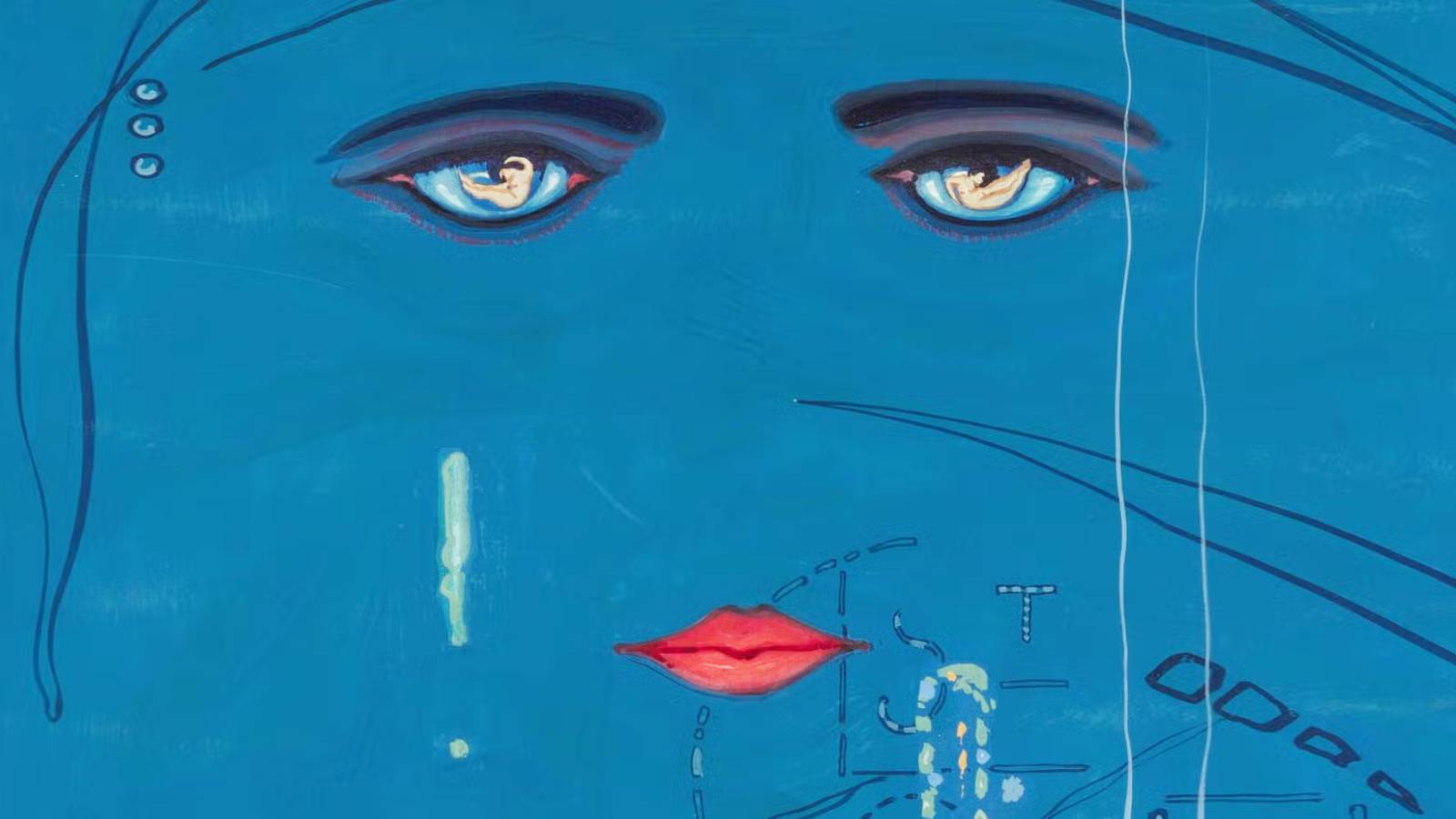
F. Scott Fitzgerald's The Great Gatsby was nearly titled Trimalchio in West Egg, a mouthful that he wisely abandoned. Set in the summer of 1922, it follows Nick Carraway as he observes his mysterious neighbor Jay Gatsby, a millionaire who throws lavish parties hoping to attract the love of his life, Daisy Buchanan. At just 180 pages, every sentence is deliberate. The novel flopped on release in 1925, and Fitzgerald died believing it a failure. But during World War II, 150,000 copies were distributed to soldiers, and a new generation embraced it. The green light and the billboard eyes have become icons of American literature, and the quiet, painful ending lingers long after you finish.
Jane Eyre: A Voice That Refuses to Be Silenced
Charlotte Brontë published Jane Eyre under the pseudonym Currer Bell in 1847, fearing critics would dismiss a woman's work. The novel follows an orphan who survives a harsh boarding school, becomes a governess, and falls for the brooding Mr. Rochester at Thornfield Hall. Jane's first-person narration makes you feel like she's confiding in you, and the secrets hidden in the attic—strange laughter, a locked room—unfold with perfect pacing. Jane's insistence on maintaining her self-respect, even at the cost of love, makes her a timeless heroine. The story inspired Jean Rhys's Wide Sargasso Sea, which gives a voice to the woman in the attic.
Pride and Prejudice: Wit, Romance, and Social Satire
Jane Austen's Pride and Prejudice began as First Impressions, a manuscript her father tried to sell in 1797—only to be rejected without a read. Rewritten and published in 1813, it introduces Elizabeth Bennet, a sharp-witted young woman who clashes with the proud Mr. Darcy. Austen sold the rights for just £110, but the novel became a beloved classic. Elizabeth's journey from prejudice to understanding is both romantic and comedic, with Mr. Collins's proposal among the funniest scenes in English literature. Beneath the romance lies a biting commentary on class and marriage.
The Hobbit: A Journey That Began with a Scribble
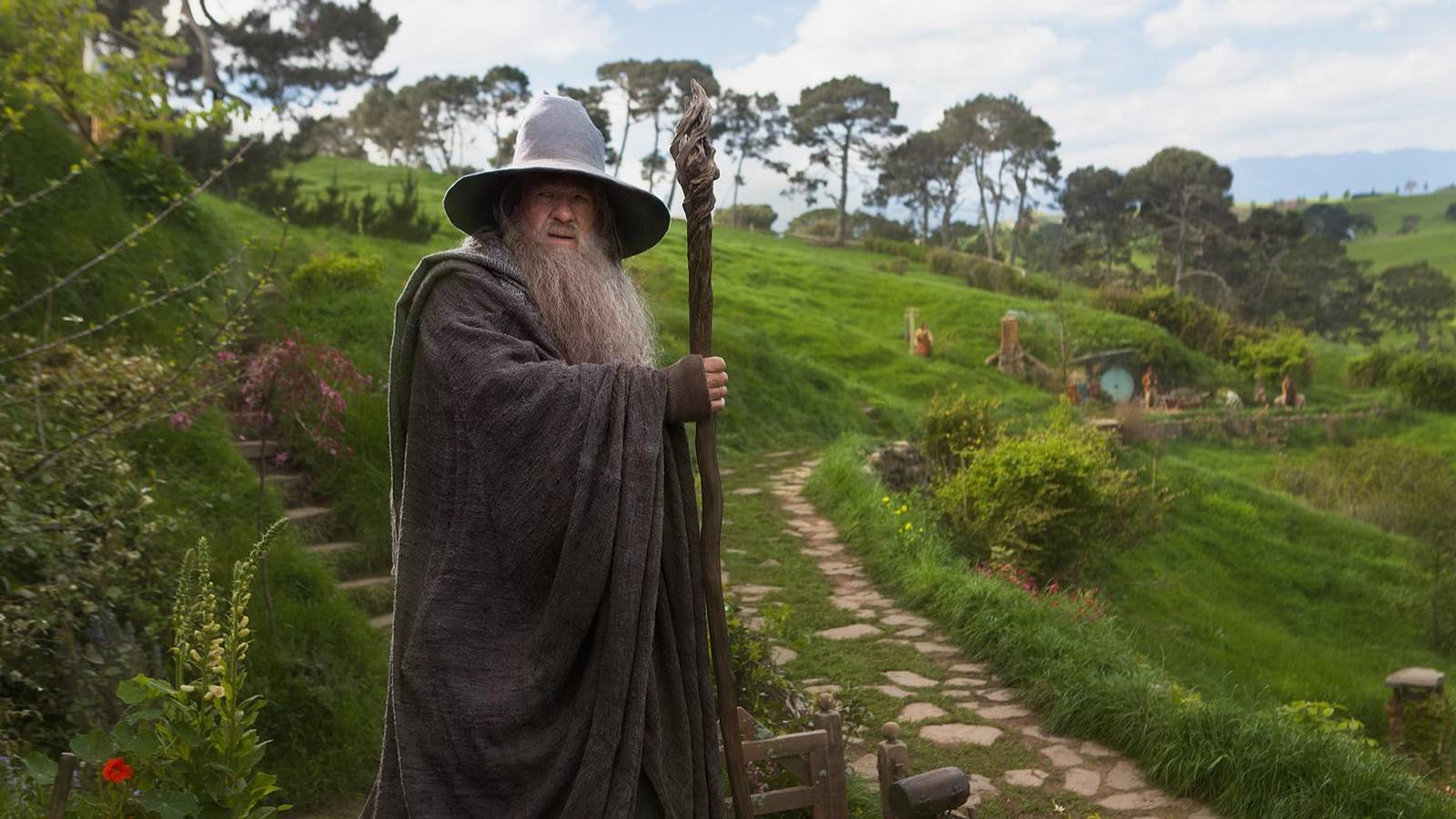
J.R.R. Tolkien was grading exams when he wrote a random note about a hobbit living in a hole. That scribble grew into The Hobbit, published in 1937 after Tolkien told the story to his children. Bilbo Baggins, a comfort-loving hobbit, joins thirteen dwarves and Gandalf to reclaim a mountain from the dragon Smaug. The riddle game with Gollum is a highlight, and Tolkien later revised it to align with The Lord of the Rings. The book's charm lies in its cozy hero and the gradual emergence of a larger world.
These books have stood the test of time because they speak to universal human experiences—love, ambition, fear, and the search for belonging. They're not just literary artifacts; they're stories that still resonate. So next weekend, put down your phone, pick up one of these, and let yourself be transported. You might just find that the classics are anything but boring.