Science fiction has always been a genre that pushes boundaries, not just in storytelling but in visual artistry. Some films go beyond mere entertainment, crafting images so stunning that every frame could stand alone as a painting. These are the movies where directors, cinematographers, and production designers collaborate to create a world that feels both alien and achingly beautiful.
From the stark, cosmic elegance of 2001: A Space Odyssey to the neon-drenched dystopia of Blade Runner, these films are celebrated for their meticulous composition, color palettes, and lighting. They remind us that cinema is a visual medium first, and when done right, it can be as breathtaking as any masterpiece hanging in a museum.
The Pioneers of Visual Sci-Fi
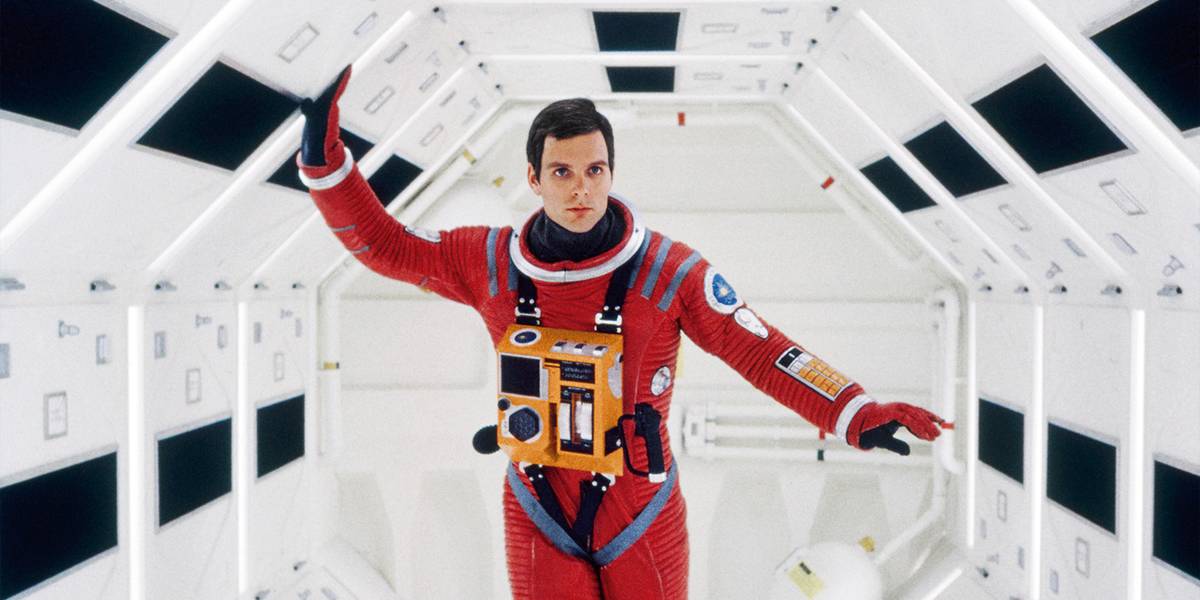
Stanley Kubrick's 2001: A Space Odyssey (1968) remains the gold standard. Every shot—from the bone toss to the psychedelic Stargate sequence—is a lesson in symmetry and scale. The film's use of classical music and deliberate pacing turns space travel into a meditative, almost spiritual experience. Similarly, Andrei Tarkovsky's Solaris (1972) uses long takes and muted tones to explore memory and grief, with the alien planet's ocean becoming a canvas for existential dread.
In the animated realm, Katsuhiro Otomo's Akira (1988) is a tour de force of hand-drawn detail. The film's cyberpunk Tokyo is alive with intricate backgrounds, fluid motion, and explosive colors. Each frame is packed with information, from graffiti tags to neon signs, creating a world that feels lived-in and chaotic. It's no wonder Akira influenced countless filmmakers and remains a benchmark for animation.
Neon Noir and Dystopian Beauty
Ridley Scott's Blade Runner (1982) redefined the look of sci-fi with its rain-slicked streets, towering advertisements, and smoky interiors. Cinematographer Jordan Cronenweth used low-key lighting and deep shadows to create a noir aesthetic that feels both futuristic and timeless. The film's visual density—every corner of the frame has something to discover—makes it a favorite for frame-by-frame analysis.
More recently, Denis Villeneuve's Blade Runner 2049 (2017) expanded on that legacy with Roger Deakins' Oscar-winning cinematography. From the orange-hued wastelands to the stark, minimalist offices of the Wallace Corporation, every shot is composed with painterly precision. The film proves that even in a franchise, visual innovation can thrive.
Otherworldly Landscapes and Color
Beyond these giants, films like The Fountain (2006) by Darren Aronofsky use surreal, cosmic imagery to explore love and mortality. The film's three timelines are linked by recurring visual motifs—a tree, a nebula, a dying star—that feel like abstract paintings come to life. Similarly, Annihilation (2018) by Alex Garland uses the Shimmer's iridescent, organic landscapes to create a sense of awe and terror. The bear with a human scream is a haunting image that lingers long after the credits roll.
For fans of hard sci-fi, Interstellar (2014) offers breathtaking views of black holes and wormholes, grounded in real physics but elevated by Hoyte van Hoytema's sweeping IMAX photography. The Tesseract sequence, in particular, is a mind-bending visual that feels like stepping into a painting by M.C. Escher.
Why These Films Matter
What sets these movies apart is their commitment to visual storytelling. They don't just tell a story; they immerse you in a world where every detail matters. Whether it's the silent, drifting spacecraft in 2001 or the rain-soaked alleys of Blade Runner, these images become iconic because they are carefully crafted to evoke emotion and thought.
For those who appreciate the art of cinema, these films are essential viewing. They remind us that science fiction isn't just about gadgets and aliens—it's about exploring the human condition through the lens of the extraordinary. And when every frame is a painting, the journey becomes as important as the destination.
If you're looking for more visual masterpieces, check out our list of hard sci-fi movies that are flawless from opening to end credits or dive into sci-fi books so perfectly written they'll blow your mind. For a different kind of perfection, explore the 21st century's most perfect final movie shots.