The past hundred years have transformed literature in ways no one could have predicted. From the shadow of world wars to the dawn of digital storytelling, the novel has evolved into a global conversation. The books that endure aren't just well-written—they capture something essential about the human experience, whether set in a mythical Colombian town or a dystopian America. Here are ten titles that have left an indelible mark on readers and culture alike.
1. 'One Hundred Years of Solitude' (1967)
Gabriel García Márquez's magnum opus is the quintessential magical realist novel, now a celebrated Netflix adaptation. It follows the Buendía family through seven generations in the fictional town of Macondo. Blending local folklore with political upheaval, the book explores cycles of loneliness, obsession, and history repeating itself. The supernatural elements mirror the characters' inner struggles, making it a deeply human epic.

2. 'Babel, or the Necessity of Violence' (2022)
R.F. Kuang's alternate-history novel reimagines 1830s Britain where translation magic powers an empire. Orphan Robin Swift is trained at Oxford's Royal Institute of Translation, but discovers the dark cost of linguistic exploitation. The book argues that language is never neutral—it can be a tool of oppression or liberation. It's a thought-provoking read for fans of award-winning speculative fiction.
3. 'On the Road' (1957)
Jack Kerouac's Beat Generation bible captures postwar America's restless spirit. Sal Paradise and Dean Moriarty crisscross the country in search of jazz, love, and meaning. Rejecting the suburban dream, the novel celebrates living in the moment—but also warns of the consequences. It remains a countercultural touchstone.
4. 'To Kill a Mockingbird' (1960)
Harper Lee's classic sees racial injustice through the eyes of young Scout Finch in 1930s Alabama. Her father, Atticus, defends a Black man falsely accused of rape, exposing the town's deep-seated prejudice. The novel's power lies in its childlike perspective: hate is learned, not innate. It's a timeless plea for empathy.
5. 'And Tango Makes Three' (2005)
This children's picture book tells the true story of Roy and Silo, two male penguins at Central Park Zoo who raise a chick named Tango. Despite its simple message about diverse families, it became one of the most challenged books of the 2000s. It's a gentle reminder that love comes in many forms.
6. 'The Sympathizer' (2015)
Viet Thanh Nguyen's Pulitzer winner follows a half-French, half-Vietnamese communist spy embedded in the South Vietnamese army after the fall of Saigon. Fleeing to Los Angeles, he reports on exiled leaders while grappling with identity and betrayal. It's a gripping espionage tale with a postcolonial edge.
7. 'The Handmaid's Tale' (1985)
Margaret Atwood's dystopian classic imagines a theocratic regime where fertile women are forced into servitude. Offred's story is a chilling warning about the erosion of rights, now more relevant than ever. It's a masterclass in speculative fiction that feels disturbingly plausible.
8. 'The Color Purple' (1982)
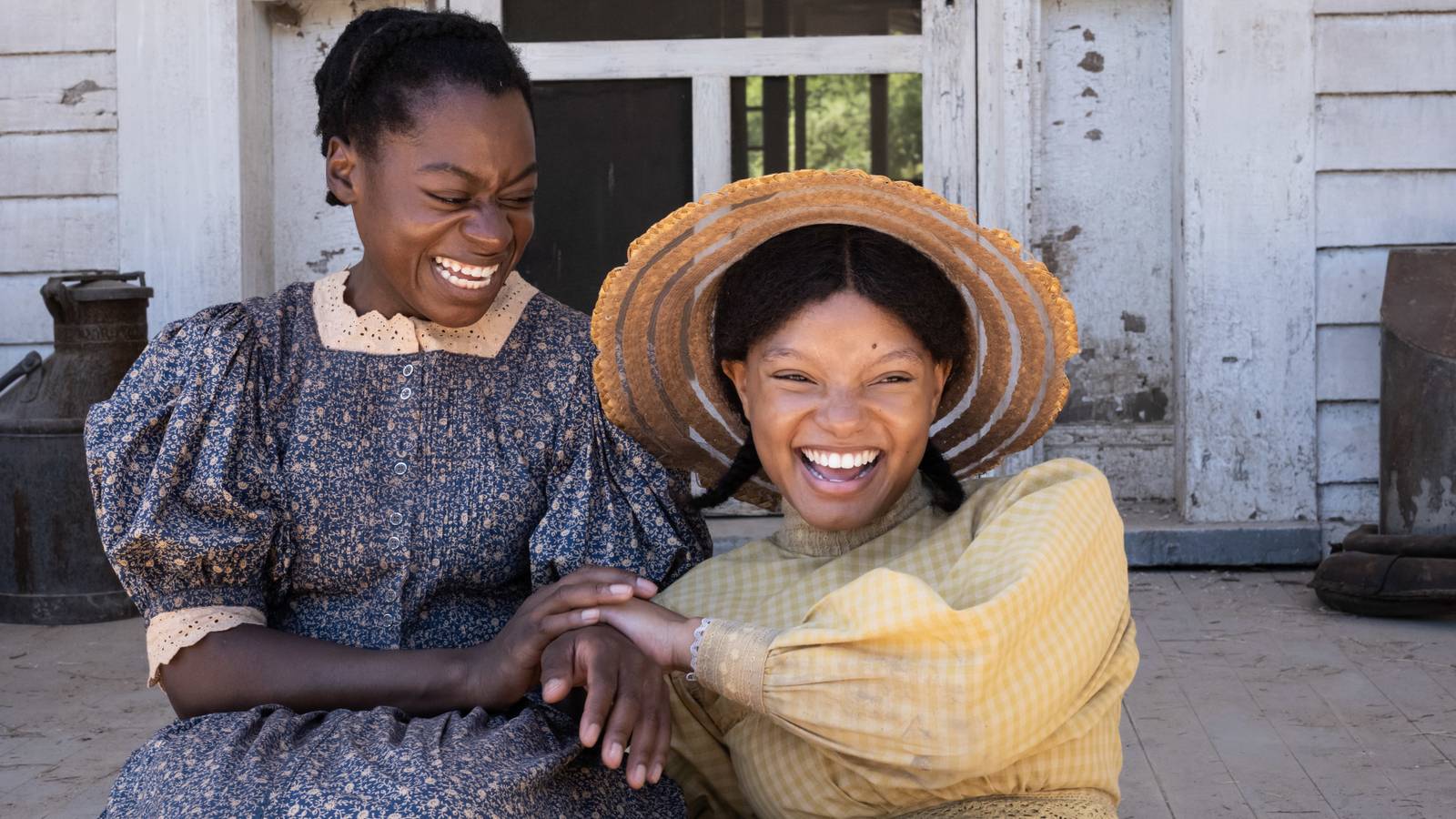
Alice Walker's epistolary novel follows Celie, a Black woman in early 20th-century Georgia, as she overcomes abuse and finds her voice. The book's raw honesty about race, gender, and sexuality sparked both acclaim and controversy. It's a testament to resilience and sisterhood.
9. 'Beloved' (1987)
Toni Morrison's haunting masterpiece centers on Sethe, a former slave haunted by her past—literally. The ghost of her baby daughter, Beloved, embodies the trauma of slavery. Morrison's lyrical prose makes this an unforgettable exploration of memory and motherhood.
10. 'The Great Gatsby' (1925)
F. Scott Fitzgerald's Jazz Age novel may be exactly 100 years old, but its critique of the American Dream remains sharp. Jay Gatsby's obsessive pursuit of Daisy Buchanan exposes the emptiness behind wealth and glamour. It's a short, perfect novel that still resonates.
These ten books span continents, genres, and decades, yet they share a common thread: they challenge us to see the world differently. Whether you're revisiting a favorite or discovering a new one, each offers a window into the last century's most profound stories.