When we think of Cecil B. DeMille, the towering 1956 epic The Ten Commandments often comes to mind. But long before Charlton Heston parted the Red Sea, DeMille crafted an unofficial trilogy of biblical epics that bridged the silent era and the dawn of talkies. The final chapter of that trilogy, The Sign of the Cross (1932), remains one of Old Hollywood's most audacious and overlooked treasures.
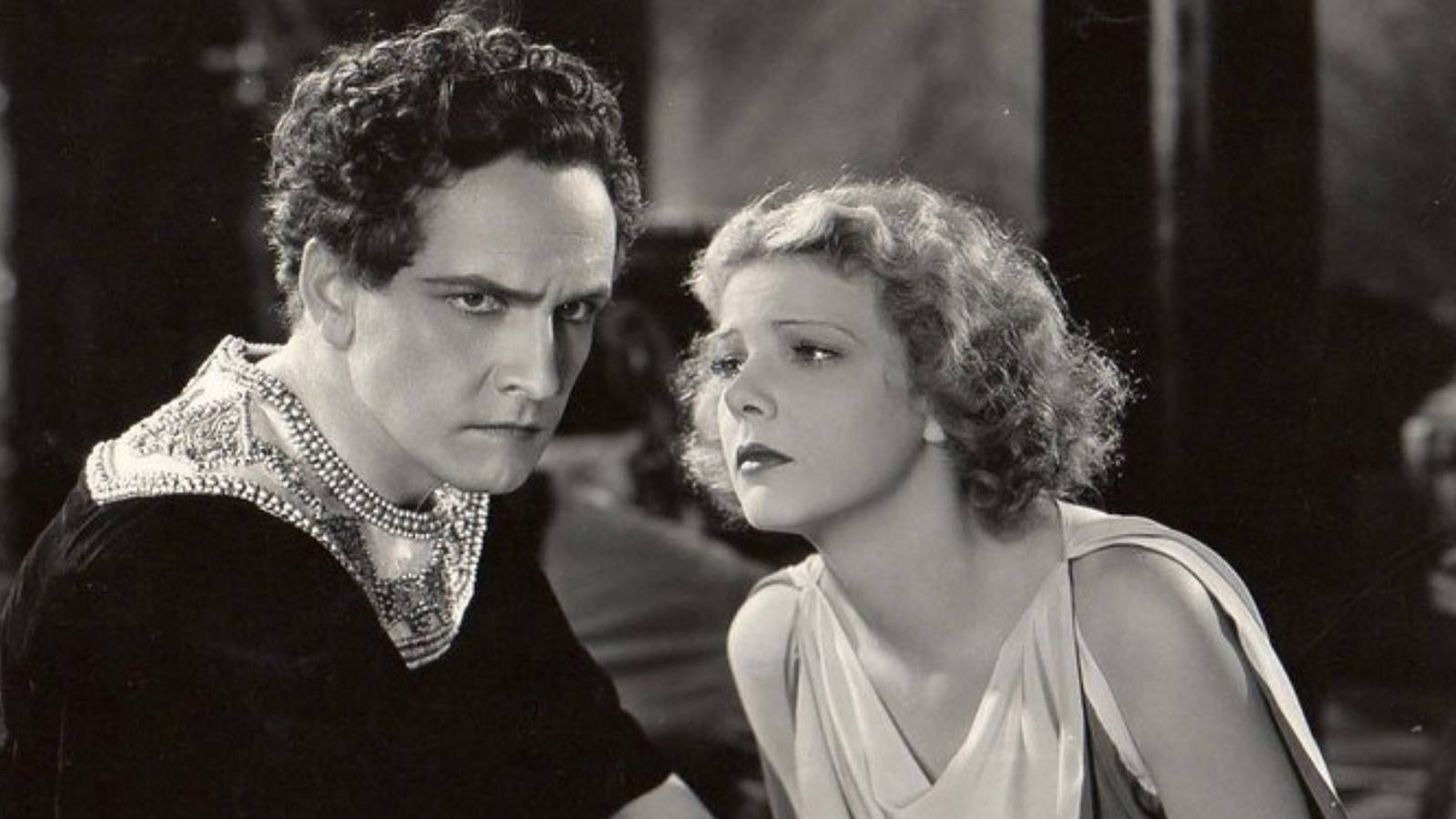
Set in first-century Rome, The Sign of the Cross isn't a direct adaptation of scripture. Instead, it draws from Wilson Barrett's 1895 play, which DeMille had admired for decades. The film follows Roman prefect Marcus Superbus (Fredric March), who falls for the Christian woman Mercia (Elissa Landi) just as Emperor Nero (Charles Laughton) orders a brutal crackdown on the fledgling faith. Marcus must balance his duty to Rome with his growing love for Mercia, all while navigating the decadence and danger of Nero's court.

What makes The Sign of the Cross so compelling is its unflinching depiction of early Christian persecution—and its pre-Code willingness to show the hedonism of ancient Rome. Claudette Colbert delivers a scene-stealing performance as the scheming Empress Poppaea, whose jealousy drives much of the conflict. The film's infamous Colosseum sequence includes nudity, sensual dances, and wild animals, all of which pushed the boundaries of what was acceptable in 1932. Yet these moments are balanced by genuine spiritual conviction, creating a tension that makes the film feel both timeless and daring.
DeMille's trilogy began with his first The Ten Commandments in 1923, a silent epic that laid the groundwork for his later masterpiece. Three years later, he turned to the New Testament with The King of Kings (1927), a reverent portrayal of Christ's life that earned widespread acclaim. The Sign of the Cross completed the set, moving from the Old Testament to the New Testament to the early Church era. All three films are now in the public domain, making them accessible to modern audiences curious about the roots of the biblical epic genre.
For fans of classic Hollywood, The Sign of the Cross offers a fascinating glimpse into DeMille's evolving style. It's a bridge between the silent spectacle of his earlier work and the grand, sound-driven epics that would define his later career. The film's pre-Code liberties also make it a time capsule of an era when Hollywood was bolder and less constrained by censorship.
If you've never seen this forgotten gem, now is the perfect time to discover it. It's a reminder that DeMille's genius extended far beyond The Ten Commandments—and that some of the most powerful biblical stories are the ones that dare to show both the light and the darkness.