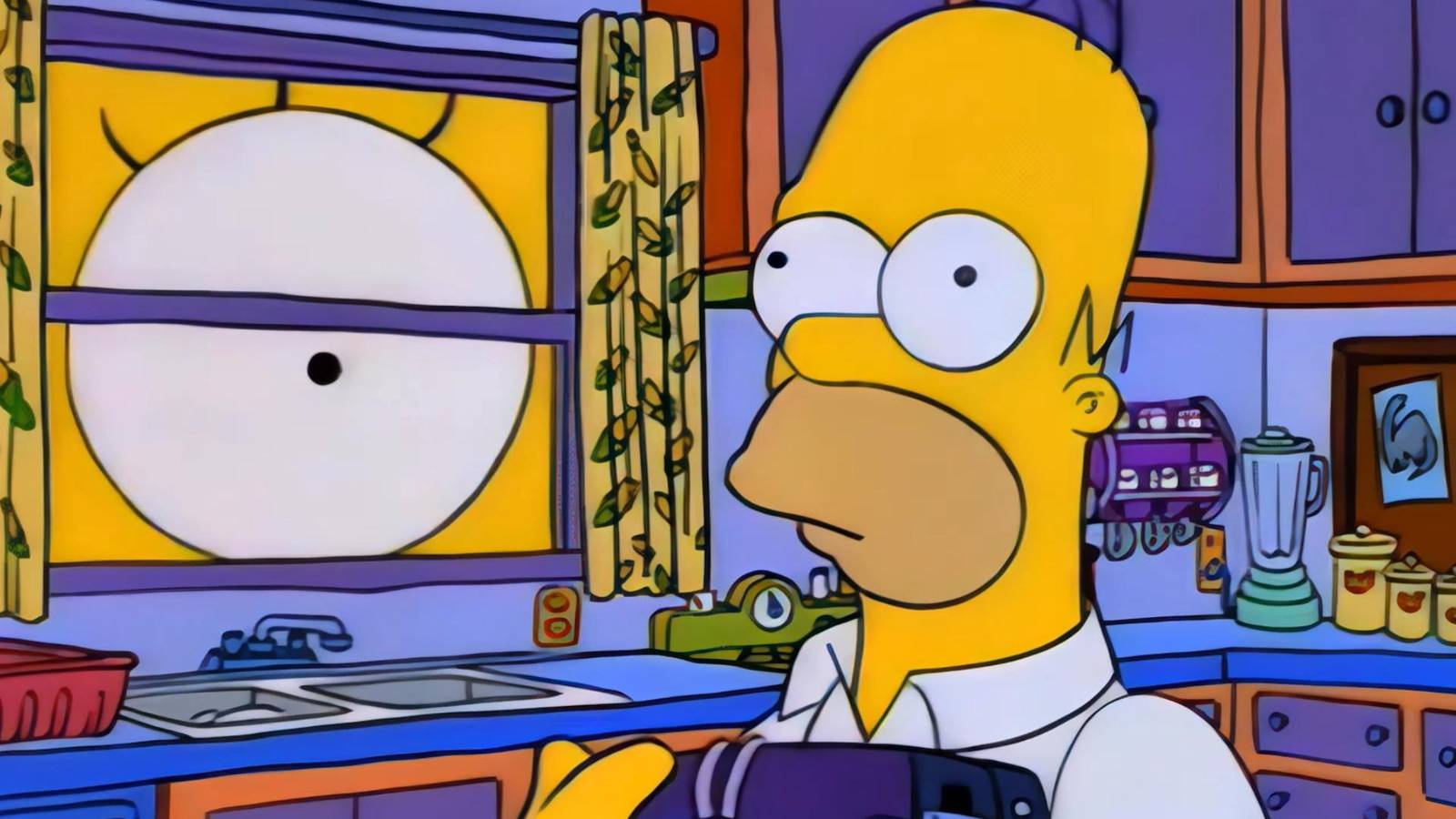
For decades, The Simpsons has delighted fans with its annual "Treehouse of Horror" episodes—a Halloween tradition that turns Springfield into a playground of spooky, supernatural, and sci-fi scenarios. But as beloved as these anthologies are, they didn't spring from nowhere. Their DNA is deeply intertwined with The Twilight Zone, Rod Serling's iconic series that set the gold standard for twist-filled storytelling. From the eerie narration to the moral lessons wrapped in horror, the parallels are unmistakable.
The Twilight Zone influence isn't just thematic—it's direct. Over the years, Treehouse of Horror has paid homage to classic Zone episodes with segments like "Hungry are the Damned" (a riff on "To Serve Man"), "Bart's Nightmare" (inspired by "It's a Good Life"), and "Clown Without Pity" (a nod to "Living Doll"). These parodies capture the essence of Serling's show—ordinary people facing extraordinary, often terrifying, situations—while injecting the signature Simpsons humor. It's a blend that has introduced generations to the original series, making The Twilight Zone a cultural touchstone for viewers who might never have tuned into a black-and-white broadcast.
The magic of Treehouse of Horror lies in its ability to make old stories feel fresh. Take the "Monkey's Paw" segment from 1991, which turned a century-old horror tale into a cautionary fable about wish fulfillment. That episode, like many others, served as a gateway to classic literature and cinema, proving that The Simpsons was more than just a cartoon—it was a curator of pop culture history. Even today, filmmakers like Curry Barker, whose recent hit Obsession was inspired by that very segment, cite the show as a formative influence.
But as The Simpsons has marched into its fourth decade, the Treehouse tradition has lost some of its luster. Modern episodes often chase fleeting trends rather than timeless themes. The 2024 installment, for instance, featured Homer in possessed denim inspired by Marvel's Venom—a character whose recent film outings were already tongue-in-cheek, leaving little room for parody. Similarly, the 2025 episode took aim at Late Night with the Devil, a film that had already faded from public consciousness, and even included a meta segment about families watching The Simpsons during a crisis. These choices feel reactive rather than inventive, a far cry from the clever cultural commentary of the show's golden age.
The shift reflects a broader change in how The Simpsons approaches its references. In the pre-internet era, the show was a treasure trove of obscure nods, introducing viewers to everything from The Twilight Zone to classic films like the beloved monorail episode, which itself was a tribute to musical theater. Today, the writers seem more focused on capitalizing on whatever is trending, whether it's a superhero blockbuster or a political event, rather than mining the rich vein of history that made the show so special.
That's not to say modern Treehouse episodes are without merit—they still deliver laughs and creative scares. But they lack the timeless quality that made the early installments so rewatchable. The Twilight Zone template, with its universal themes of fear, desire, and the unknown, remains as potent as ever. It's a formula that The Simpsons once mastered, and one that could still serve the show well if it looked backward instead of just at the present.
As The Simpsons continues its seemingly eternal run, fans can only hope the writers rediscover the magic that made Treehouse of Horror a must-watch event. The Twilight Zone proved that anthology storytelling can endure, and The Simpsons proved it could put a hilarious spin on that legacy. The ingredients are all there—they just need to look to the stars, not the screens, for inspiration.