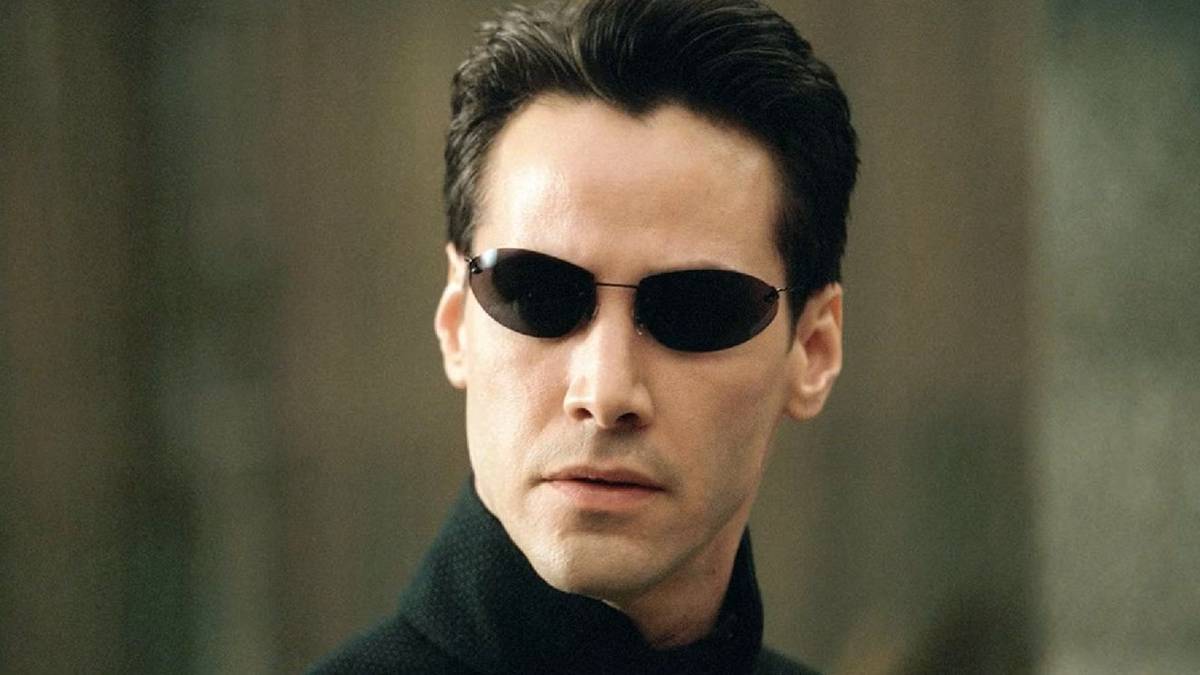
Warner Bros. is preparing to jack back into the simulation, but this time, the original architects won't be at the controls. The studio has confirmed development on The Matrix 5, with acclaimed writer Drew Goddard (The Martian, Project Hail Mary) penning the script. This marks the first major installment in the groundbreaking sci-fi franchise to proceed without the direct involvement of creators Lana and Lilly Wachowski, raising immediate questions about whether the series can retain its soul.
A New Architect for the Simulation
Announced in April 2024, details on the fifth Matrix film have been scarce. Goddard recently offered a brief update while promoting his film Project Hail Mary, stating he was deep in the "writing cave" with little to share. Intriguingly, when pressed on whether Keanu Reeves or other original cast members would return, he offered a non-committal "I can't speak to that," hinting that the sequel might not be a direct continuation. This suggests Goddard could be crafting a new story within the franchise's vast lore, perhaps exploring a different iteration of the simulated reality.

The Wachowski-Shaped Hole
The central challenge for The Matrix 5 is unmistakable. The original trilogy wasn't just a series of action films; it was a deeply personal expression of the Wachowskis' vision. Their explorations of identity, free will, systemic control, and the dawn of the digital age were woven into every bullet-dodging sequence and philosophical dialogue. Their unique authorship—informed by their own life experiences—gave the films a resonant core that extended far beyond their revolutionary visual effects.
Without that guiding vision, the project faces a difficult choice: attempt to mimic the past, risking a hollow imitation, or strike out in a radically new direction, potentially alienating fans seeking nostalgia. This is a common Hollywood quandary, seen in other long-awaited sequels like the confirmed 'Escape From New York' Reboot or the recently announced 'Paddington 4'. The task is to feel both fresh and familiar—a nearly impossible needle to thread.
The Ghost of Resurrections
Complicating matters further is the meta-commentary of the most recent film, 2021's The Matrix Resurrections. Directed solely by Lana Wachowski, the film openly critiqued the very idea of franchise revival. It featured a game developer (Neo) being forced by his corporate overlords to create a sequel to his iconic game, The Matrix, a clear parallel to studio pressure. The film argued, both narratively and stylistically, against mere repetition, choosing to focus on emotional connection over rehashed mythology.
In many ways, Resurrections was Lana Wachowski's definitive statement on reboots. For Goddard to succeed, he must not only honor the original's legacy but also justify his film's existence in a landscape the last movie explicitly warned against. It's a high-wire act reminiscent of the challenges faced by other ambitious sci-fi projects, such as Netflix's '3 Body Problem', which also risks stumbling under the weight of high expectations and complex source material.
Can Goddard Redefine Reality Again?
There's no question about Drew Goddard's talent for crafting smart, engaging genre stories. However, taking on The Matrix is a different order of magnitude. The cultural and technological context has also shifted dramatically since 1999. The awe and anxiety about emerging tech that the original captured has matured into a weary, complex relationship with AI and digital life. A new film must speak to this contemporary reality, not just replay 25-year-old fears.
To truly work, The Matrix 5 needs to be a glitch in the system—something unexpected and disruptive that captures a new generational anxiety. It must find its own voice while standing in the very long shadow of a cinematic revolution. If the Wachowskis have chosen to leave their creation behind, the burden on Goddard to prove this journey is still necessary becomes the project's biggest red pill to swallow. For fans of visionary sci-fi, the hope is that any continuation can stand alongside the best sci-fi films since The Matrix, rather than becoming a cautionary tale about revisiting the past.