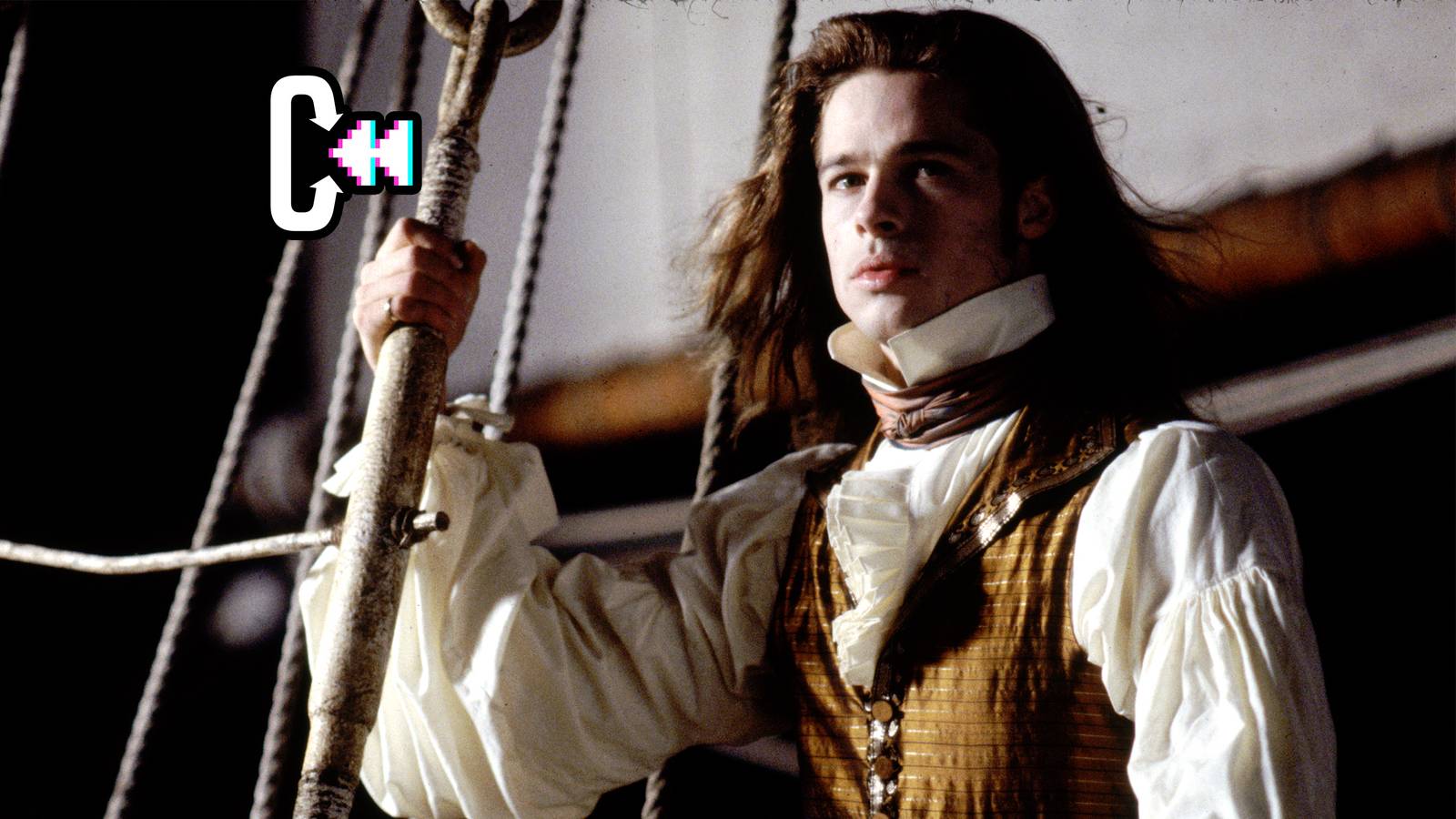
Making a vampire movie might sound like a dream gig—until you realize the undead can't exactly soak up the sun. For Brad Pitt, starring in Interview with the Vampire meant months of nocturnal shoots, heavy makeup, uncomfortable contact lenses, and playing the calm center in a whirlwind of eccentric characters. It's no wonder he's been open about how miserable he felt on set. But director Neil Jordan has his own take on what was really going on.
In an exclusive chat with Collider, Jordan explained that Louis, Pitt's character, serves as the audience's guide through the story—which inevitably makes him less flashy than the folks around him. During a Collider Rewind interview for the film's 4K restoration, Jordan drew parallels to classic literature: "It often happens with the central character. If you look at Tom Jones, for example, the character who tells the story can become the least dynamic character in the whole equation because they're the person to whom things are done. Is David Copperfield the most dynamic character in David Copperfield? He's not. Is Pip the most dynamic character in Great Expectations? Everyone remembers Estella and Miss Havisham and the horrible criminal who ties them up, but they don't remember Pip that much. And that's the nature of the story in many ways."
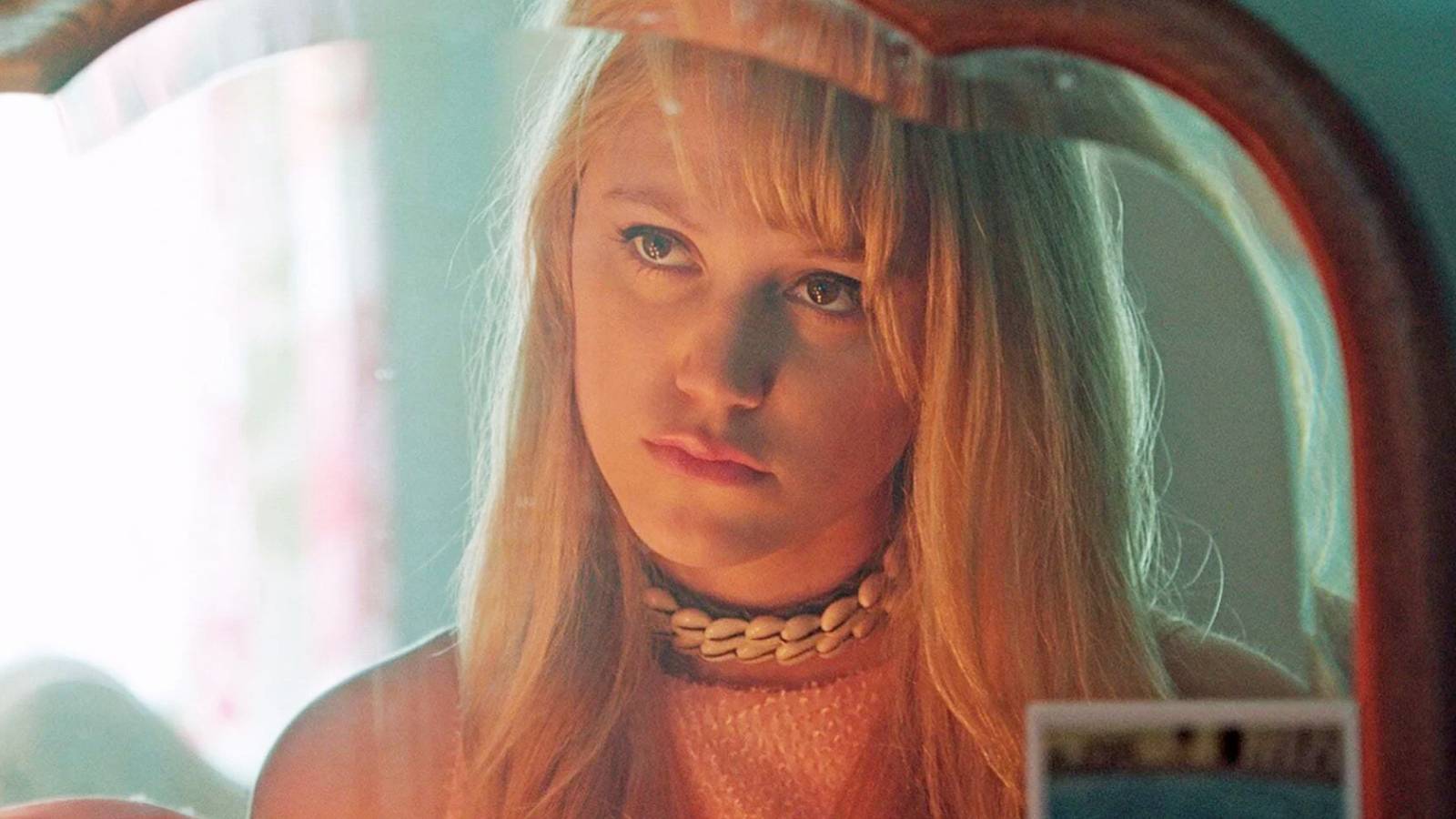
Jordan believes Anne Rice crafted Interview with the Vampire like a Victorian novel, with Pitt playing the relatively passive figure at its heart while Tom Cruise's Lestat and Kirsten Dunst's Claudia got to be far more explosive. "Anne had written kind of a traditional Victorian novel when she wrote Interview with the Vampire, and that was the part that Brad played," Jordan said. "He had a hard time, but he only had a hard time when we got to Paris. I don't know, I think it got to him."
The physical demands of the shoot didn't help. Jordan loved filming at night—it gave him total control over lighting and composition, like working a night shift for six months. But for actors, it was a grind. "I loved shooting at night to make this movie," Jordan enthused. "It was like going on the night shift for six months. As a director, it's great because you can control everything that gets into the frame. You're not waiting for the sun to come up or down, the clouds and all that. Everything is lit, everything is shot, everything is decided and designed. But for actors, I'm sure it was a real pain in the ass."
Pitt's transformation into Louis came with its own nightly ritual: hanging upside down to get his face painted, then popping in those uncomfortable contact lenses—Cruise had to do the same. Jordan acknowledged, "Given the way I designed the vampires and how they should look, Brad had to hang upside down every morning and get his face painted. He had to wear contact lenses, and Tom did too. It was a hard journey for an actor, and I can see how he got upset."
Despite the struggles, Jordan insists there's no lingering bad blood. "But I enjoyed making it with him. We were mates at the time. I haven't seen him for a long time, but we were very close. Even at the end of the film, we were still very close. So if he had a hard time making it, I don't know what to say. Talk to him."
This candid reflection comes as the film enjoys a new life on 4K, reminding fans why it remains a cornerstone of vampire cinema. For more on the genre's enduring appeal, check out our piece on why Vampire Academy deserves a second look or how CBS is betting on vampires again.