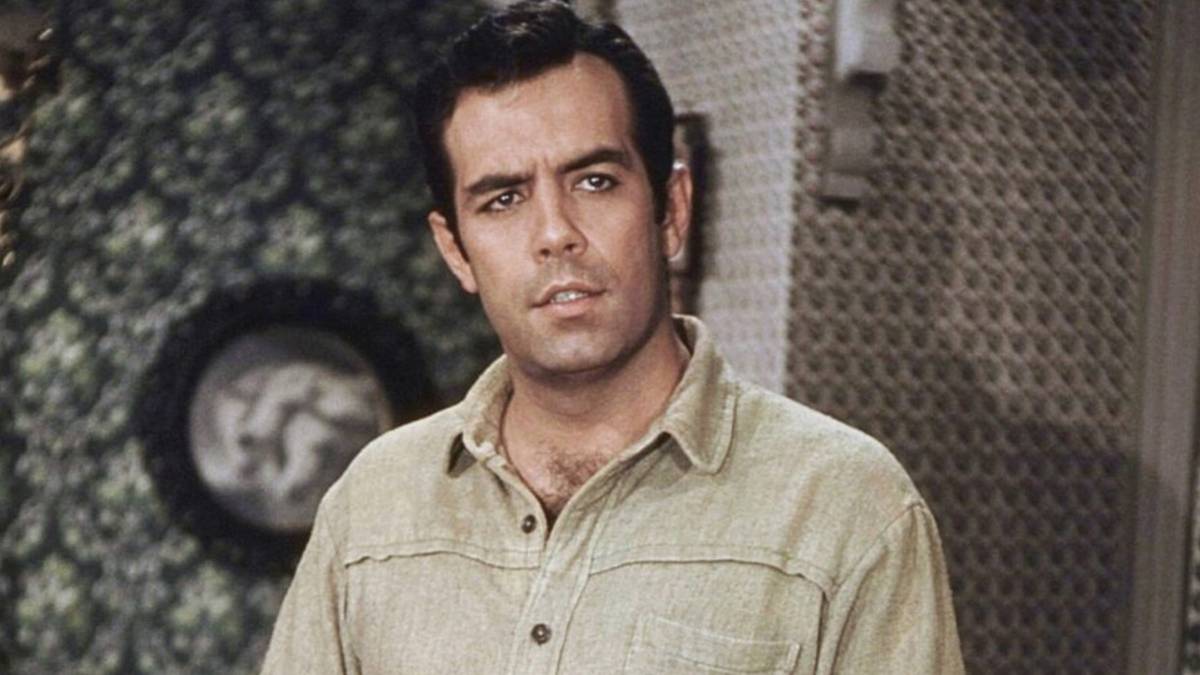
In the vast landscape of television history, few shows have left a mark as deep and enduring as Bonanza. Premiering in 1959 and riding strong for 14 seasons, this wasn't just another cowboy adventure—it was a pioneering force that dared to confront social issues when most programs played it safe. Set against the backdrop of the Ponderosa Ranch near Virginia City, Nevada, the series followed the wealthy Cartwright family as they navigated the complexities of life, justice, and community in the 1860s.
A Show Ahead of Its Time
While Bonanza delivered the expected horseback chases and frontier drama, its true legacy lies in its conscience. Airing throughout the turbulent 1960s and the height of the Civil Rights Movement, the series consistently wove themes of morality, empathy, and social justice into its narratives. At a time when television was largely seen as pure escapism, the Cartwrights—led by patriarch Ben (Lorne Greene) and his sons Adam (Pernell Roberts), Hoss (Dan Blocker), and Little Joe (Michael Landon)—became unlikely champions for progressive thought.
The show's longevity provided its creators with a unique canvas. Over 430 episodes, they had the room to evolve alongside a changing America, gradually introducing more pointed commentary. Early seasons established the family's core values of protecting their town and standing up for the underdog. As the cultural revolution of the '60s took hold, Bonanza began to directly engage with the era's most pressing debates.
Confronting Racism on the Frontier
Perhaps the series' most significant contribution was its willingness to tackle racism head-on. A landmark 1964 episode, "Enter Thomas Bowers," centered on an African American opera singer facing violent prejudice in Virginia City. When Bowers is wrongly pursued by the law, Hoss Cartwright steps in to shield him, leading to their joint imprisonment. The episode, while reflective of its era's limitations in giving the guest character more agency, was a bold statement for network television.
This narrative bravery set a precedent. Bonanza served as a crucial stepping stone, introducing complex social ideas to a mainstream audience through the accessible framework of a Western. It demonstrated that genre storytelling could be a vehicle for substance, paving the way for future series to explore even deeper societal critiques. For fans of genre-bending narratives, the show's legacy can be seen in later series like Wynonna Earp, which also uses Western motifs to explore modern themes.
The Art of the Slow Burn Revolution
It's important to view Bonanza through the lens of its time. In the late 1950s and early '60s, television executives were often cautious. The show's approach was to wade audiences into progressive thought rather than shock them with it. By embedding these ideas within familiar tales of frontier justice, the writers could challenge viewers' perceptions without alienating them. This "Trojan horse" method was instrumental in shifting the medium's possibilities.
The series' impact is magnified by its sheer popularity. As a cornerstone of NBC's lineup and one of the first major shows filmed in color, it reached millions of homes weekly. Its success proved that audiences would engage with thoughtful content, encouraging other creators to push boundaries. This gradual build toward more nuanced storytelling mirrors the way later filmmakers, like Paul Thomas Anderson, would deconstruct genre conventions to profound effect.
An Enduring Legacy
Today, Bonanza stands as a monumental achievement in television. It wasn't just a long-running hit; it was a show with a heart and a purpose. While its production values and some storytelling techniques are products of their era, its core mission—to entertain while making people think—feels timeless. The show reminds us that great entertainment can both reflect and shape the world around it.
For modern viewers discovering the Cartwrights' adventures, the series offers more than nostalgia. It provides a fascinating historical document of how popular culture grappled with social change. In an age of complex antiheroes and serialized drama, the straightforward moral clarity of Bonanza is both a refreshing contrast and a foundational blueprint. It earns its title not just as a great Western, but as one of television's most important and influential series ever made, a true pioneer that helped map the territory for the thought-provoking shows we celebrate today.