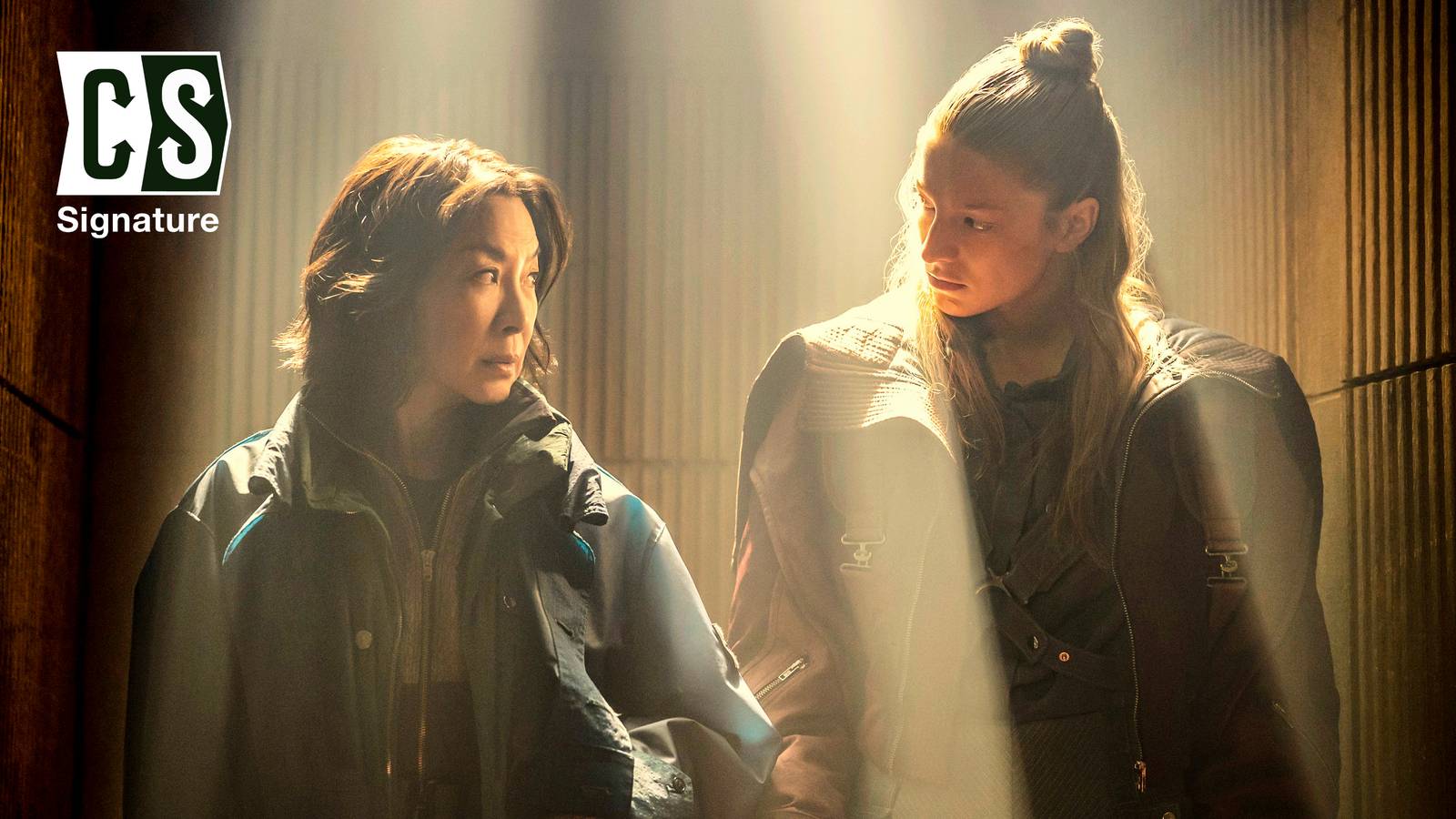
If you've just finished Blade Runner 2099 and your head is spinning with questions, you're in good company. The Prime Video limited series, set 50 years after Blade Runner 2049, delivers a finale packed with revelations—from the true identity of Cora's mother to the fate of Olwen and the moral crossroads faced by Bebeto and Elias. Showrunner Silka Luisa recently sat down with Collider to unpack the season's ending, the themes that drove the story, and the threads that were left on the cutting room floor.
Luisa was clear that the show was never meant to continue the saga of Deckard or K. Instead, the creative team wanted to build a fresh entry point for newcomers while honoring the franchise's legacy. "We are 50 years in the future," she noted. "It's new main characters at the heart of the show." That decision allowed the series to explore new corners of this dystopian world, including the Mercerite religion—a concept from Philip K. Dick's novel that Luisa found irresistible. "The idea that there's a religion that uses technology to try and build collective empathy, but everyone is isolated, it feels so timely," she explained.
One of the show's central questions is the blurring line between replicants and humans. Luisa believes that ambiguity is baked into the franchise's DNA. "The more emotional storylines are always with the replicants," she said. "It's really a mirror that's being held up to us, that helps us rediscover our own humanity." In an age of AI anxiety, that reflection feels more relevant than ever.
When asked about the possibility of a second season, Luisa was candid: the ending was designed as a conclusion, but with intentional open threads. "There is a level of ambiguity and open space for your imagination to fill the gaps," she said, echoing the tone of the films. Still, she hopes the world continues to expand. "There are so many pockets to explore; there are so many places in the world I'd want to see. Off-world is still such a mystery box."
One of the most intriguing reveals involves Ray's true allegiance to the Tyrell Corporation and his desire to resurrect the Nexus-1 models. When Bebeto learns this, he doesn't immediately walk away—he considers Ray's offer. Luisa explained his mindset: "This is somebody who has already fought for survival his whole life. He sees an opportunity to gain power, even if it means compromising his morals." It's a classic Blade Runner dilemma: survival versus integrity.
Elias, on the other hand, takes a darker turn. Shaken by Helena's true identity and Cora's alliance with Olwen, he decides to claim credit for the bombing of the birthing facility. Luisa described his choice as a desperate bid for relevance in a world that has left him behind. "He's been searching for meaning, and this is his twisted way of finding it," she said.
The finale also leaves Olwen's fate ambiguous, with Cora returning to the LAPD and the future uncertain. Luisa defended the open-ended conclusion, saying, "We were really trying to define what is a Blade Runner ending." For fans hoping for more, she hinted that the universe is rich enough for future stories—perhaps even one that explores the cut storyline involving Helena and Julius's past, which Luisa revealed was originally planned but ultimately dropped.
For those who want to dive deeper into the cast's perspectives on the finale, check out our interview with Yeoh and Schafer on the meaning of the ending. And if you're curious about Ridley Scott's original vision for the series, we've got that covered too.
As the credits roll on Blade Runner 2099, one thing is certain: the questions it raises will linger long after the screen goes dark. Whether that's frustrating or exhilarating is up to you—but for Luisa, it's exactly the point.