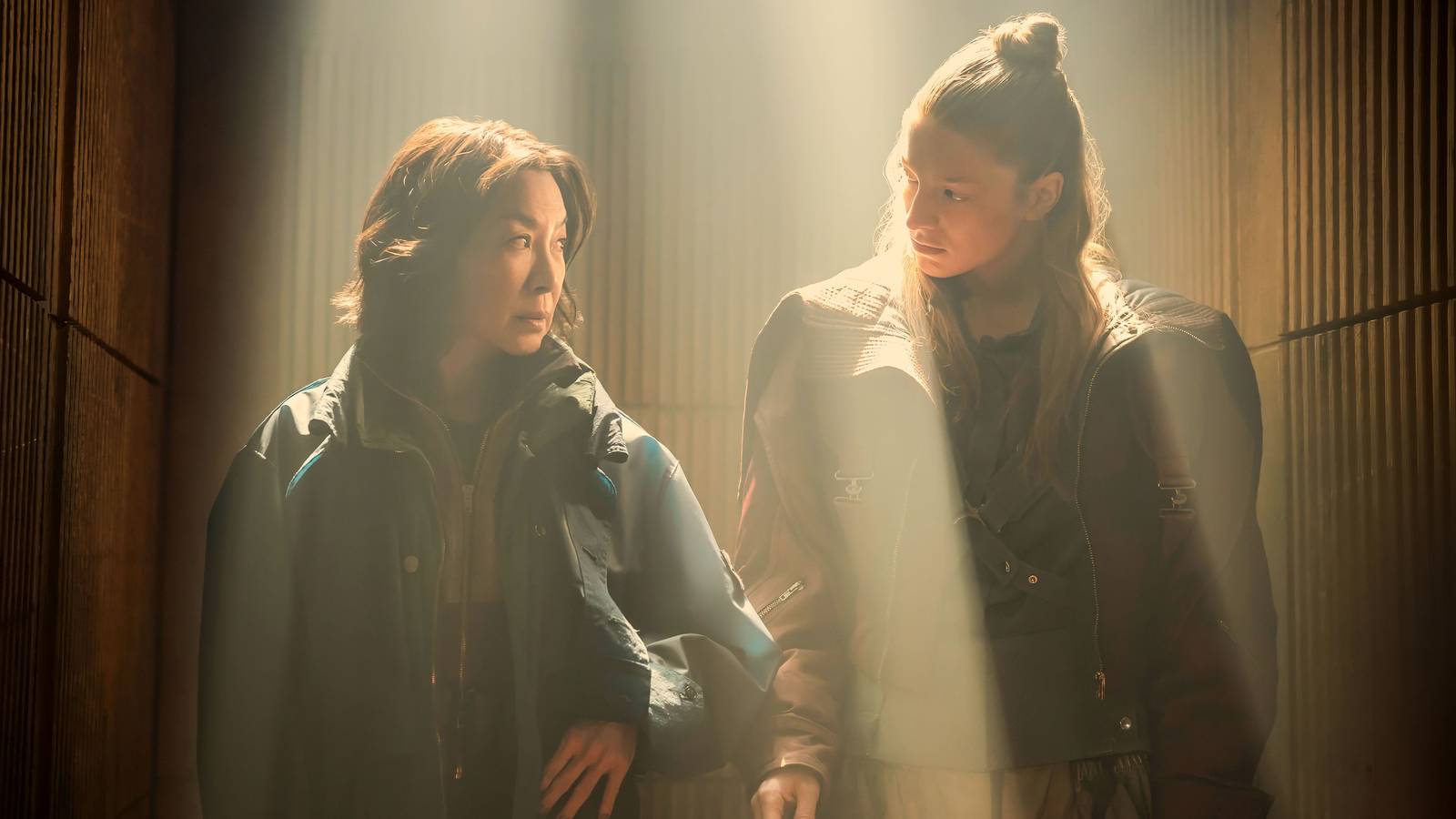
Prime Video's Blade Runner 2099 is almost here, and it's set to take fans back to the rain-soaked, neon-drenched dystopia—but with a twist. The limited series jumps 50 years beyond the events of Blade Runner 2049, flipping the power structure: replicants now hold the upper hand, and humans are second-class citizens. At the center are Cora (Hunter Schafer), a human passing as a replicant, and Olwen (Michelle Yeoh), a replicant nearing the end of her life. Together, they navigate a world where the lines between hunter and hunted have blurred.
In a recent interview, creator and showrunner Silka Luisa and director Jonathan van Tulleken opened up about the challenges of translating this iconic universe to the small screen. For van Tulleken, the visual language was key. He drew inspiration from 1970s cinema—think The French Connection and Alan J. Pakula's paranoia trilogy—to create what he calls "sunshine noir." That era's gritty, vérité style, made possible by smaller cameras, gave the show a tactile, human feel. "We built places that were real; we used original old lights; we used the original glass from the films, the lenses," van Tulleken explained, building on the foundations laid by Ridley Scott and Denis Villeneuve.
But the biggest hurdle wasn't just visual—it was pacing. Luisa noted that the films are known for their meditative tempo, a deliberate choice that immerses viewers in the world. For TV, though, that rhythm had to be recalibrated. "We were always trying to calibrate both in the writing and in the shooting and ultimately in post when we were editing, how do we pace the show?" she said. Early cuts were too tight, sacrificing the breathing room that makes Blade Runner feel like Blade Runner. "Without them, it's not really Blade Runner," she admitted, so they found a balance between propulsion and reflection.
The series also flips the script on the classic Blade Runner dynamic. Instead of replicants being hunted, they're now the hunters, and humans are the prey. Luisa explained that this shift allowed for a richer narrative, especially with an undercover story at its heart. "That Donnie Brasco dynamic felt like that was going to give you a human and a replicant side-by-side, both of them hiding secrets," she said. This dual-protagonist structure—Cora and Olwen—gives the show more room to explore their relationship, something the films couldn't do in their runtime.
Both characters start the season lacking empathy, but for different reasons. Olwen, as a replicant, never had a childhood to develop it, while Cora has been stripped of her humanity by survival. "At the beginning of the season, both of them are really lacking empathy," Luisa revealed. Their journey is about finding that connection, which is central to the show's emotional core.
As for how Blade Runner 2099 connects to the previous films, Luisa was careful not to lean too heavily on nostalgia. While the series acknowledges the events of Blade Runner and Blade Runner 2049, it deliberately carves its own path. "We wanted to make something that stands on its own," she said, even as it honors the legacy. This approach is already generating buzz, with early reviews noting both its strengths and its challenges—like our own take on the series.
With Prime Video's recent success in the sci-fi space, including hits like other genre offerings, Blade Runner 2099 is poised to be a major draw. The show's unique blend of noir, action, and philosophical questions about humanity is sure to captivate both longtime fans and newcomers. As the release date approaches, the creative team's insights only heighten anticipation for what promises to be a visually stunning and thought-provoking addition to the franchise.