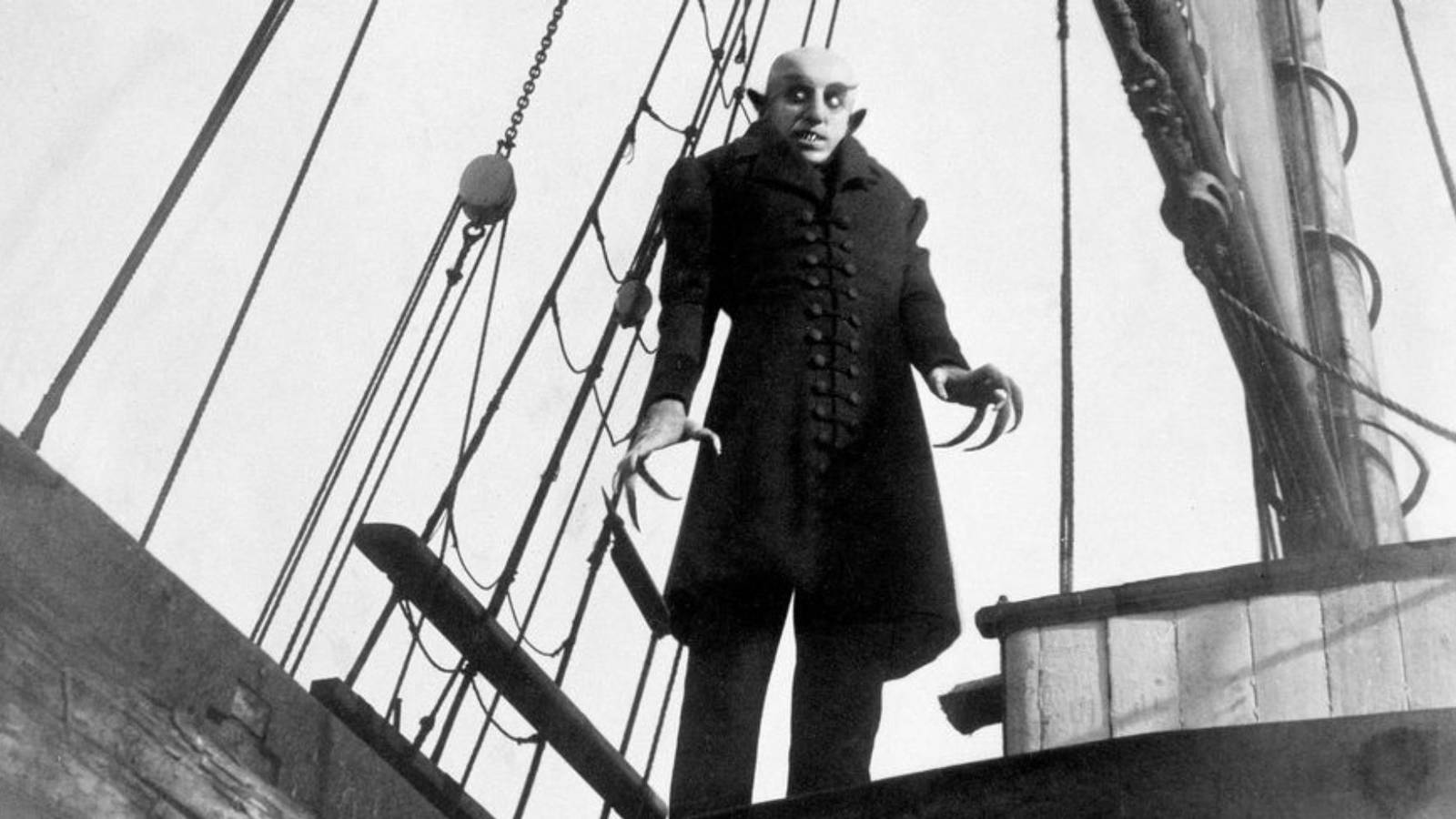
For over a century, F.W. Murnau's 1922 silent film Nosferatu has cast a long, chilling shadow over the horror genre. As an unauthorized adaptation of Bram Stoker's Dracula, it established the visual and thematic language for countless vampire tales to follow, with Max Schreck's gaunt Count Orlok becoming an icon of pure, wordless dread. Its status as a foundational pillar of cinema is unshakable.
Yet, in the decades since, a handful of visionary filmmakers have dared to step out from that shadow, crafting undead narratives that not only honor the legacy but push it into thrilling new territories. While the genre has given us everything from Bela Lugosi's charming count to the slick action of Blade and the comedic genius of What We Do in the Shadows, only a select few have achieved a level of artistry that arguably surpasses the original masterpiece. Here are the three vampire films that stand as towering achievements, each redefining what the genre can be.

'Vampyr' (1932): A Dreamlike Descent into Horror
Arriving just a year after the iconic Dracula, Carl Theodor Dreyer's Vampyr exists in a haunting realm of its own. This Dutch film follows Allan Gray, a student of the occult who receives a mysterious book and finds himself drawn into a nightmarish plot involving a local lord's daughters and a sinister, supernatural presence. Dreyer masterfully bridged the silent and sound eras, using minimal dialogue to create an atmosphere of profound unease.
Though not an immediate success, Vampyr is now revered for its hallucinatory imagery, innovative cinematography where shadows seem to live independent lives, and a deeply poetic approach to terror. Legendary director Guillermo del Toro has hailed it as "as close as you get to a poem in film," a meditation on mortality that trades jump scares for a sustained, dreamlike dread. It's a cornerstone for those who seek vampire films that forever changed horror cinema.
'Let the Right One In' (2008): A Bittersweet Ode to Loneliness
Swedish director Tomas Alfredson's adaptation of John Ajvide Lindqvist's novel completely reinvented the vampire story for a modern audience. Set in a bleak, snow-covered suburb in the 1980s, it centers on Oskar, a bullied boy, and his friendship with Eli, a mysterious new neighbor who only appears at night. Their bond blossoms into a tender, protective relationship, complicated by the grim reality that Eli is a centuries-old vampire.
Diverging from the genre's often erotic undertones, Let the Right One In is a poignant study of isolation, childhood cruelty, and the desperate need for connection. Its stunning visual contrast of crimson blood against white snow is matched by a narrative that is equally brutal and heartbreakingly innocent. The film delivers shocking violence while maintaining a quiet, emotional core, culminating in an ending that is hauntingly bittersweet rather than purely horrific. It's a masterpiece that, like the best sleeper hits, reveals new layers with every viewing.
'Sinners' (2025): A Fresh and Ferocious Period Tale
Proving the genre's enduring power, Ryan Coogler's 2025 film Sinners delivered a jolt of new energy. Set in 1930s Mississippi, the story follows the Smokestack twins (both played by Michael B. Jordan), who open a juke joint and soon face a threat far more dangerous than local racists: a trio of vampires led by the chillingly charismatic Remmick (Jack O'Connell).
While Sinners doesn't reinvent the vampire mythos, Coogler's visionary direction and sharp screenplay inject it with potent social commentary and relentless tension. O'Connell's performance is a standout, creating a villain whose menace is as persuasive as it is terrifying. The film masterfully uses its historical setting to explore themes of oppression and survival, making the supernatural horror feel deeply grounded. It's a potent reminder that great genre films, much like iconic action finales, can close one chapter while boldly opening another.
From the poetic horror of Vampyr to the melancholic beauty of Let the Right One In and the brutal period intensity of Sinners, these films demonstrate the incredible evolution of vampire cinema. They honor the path forged by Nosferatu while fearlessly carving their own unique legacies in the annals of horror. For fans looking to explore more corners of this rich genre, don't miss our guide to brilliant vampire films that deserve a second bite.