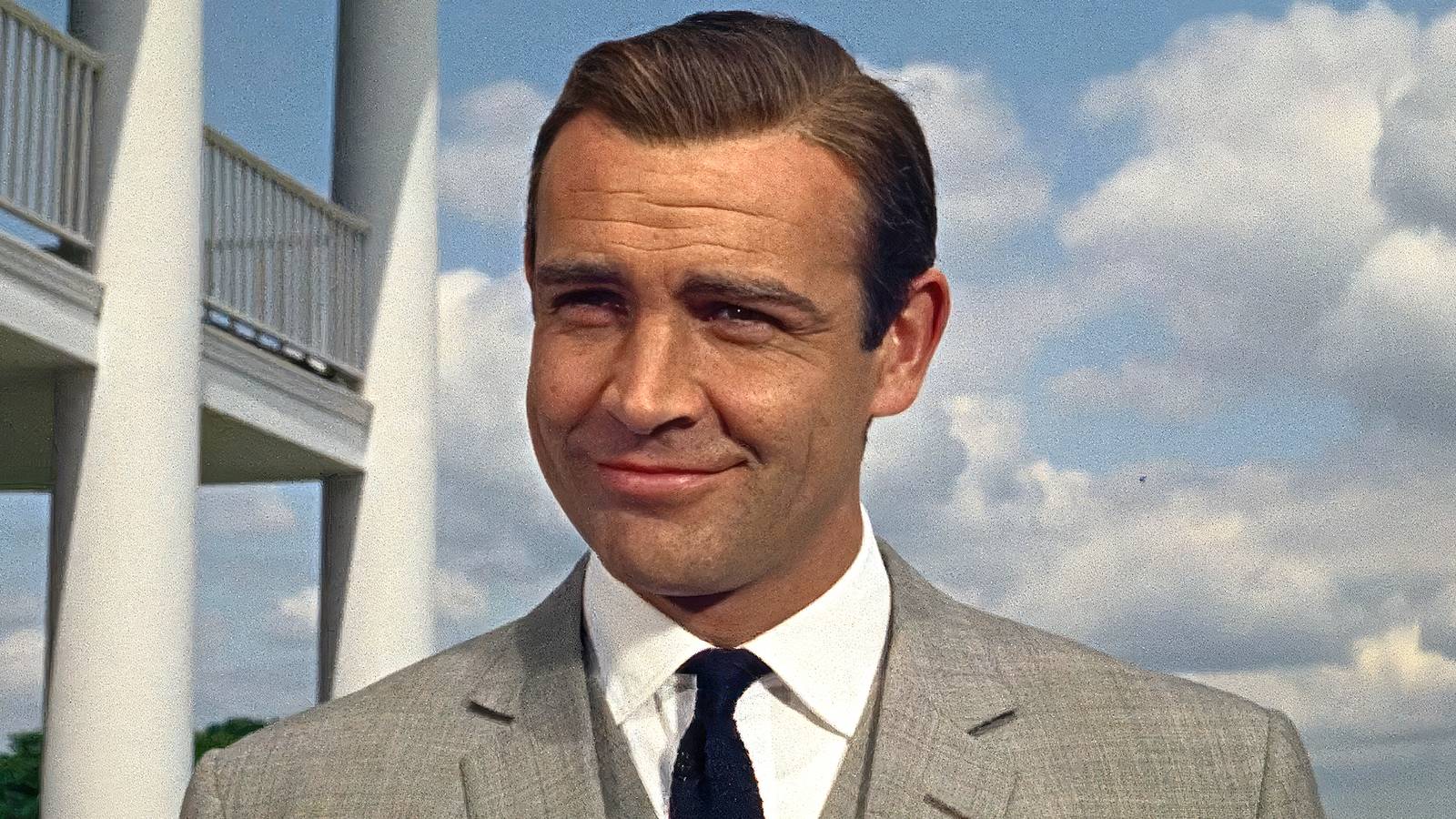
By 1968, Sean Connery was the undisputed king of cool. Having defined cinematic masculinity as James Bond, audiences expected that same unshakeable confidence in every role. Yet, in the Western Shalako, Connery delivered something radically different: a hero whose power came not from control, but from knowing when to retreat.
On the surface, Shalako seemed like a simple genre transplant—take Bond, put him in a cowboy hat. But director Edward Dmytryk crafted a film of deliberate unease. The vast New Mexico landscapes feel less like grand vistas and more like exposed killing fields. Here, Connery's Shalako isn't a master of his environment; he's a survivor navigating other people's fatal mistakes.
A Different Kind of Heroism
Based on a Louis L'Amour story, the film follows Shalako as he encounters a group of wealthy European aristocrats, led by a French countess played by Brigitte Bardot, whose hunting expedition has gone disastrously wrong. Betrayed by their guide and stranded in Apache territory, the group's arrogance makes them easy targets. Unlike the invincible 007, Shalako operates with no safety net. His heroism is pragmatic, not flashy.
Connery's performance is a masterclass in restraint. Shalako is a man of few words, preferring to observe and anticipate disaster rather than confront it head-on. Where Bond would quip and conquer, Shalako calculates and avoids. This wasn't a brooding anti-hero, but a realist who understood that in the brutal frontier, being noticed often meant being killed. It was a stark departure from the triumphant action of the era, closer in spirit to the grittier, more morally complex Westerns that would later gain appreciation.
An Early Career Pivot
Viewed today, Shalako reads as a clear signal of Connery's desire to evolve beyond 007. This wasn't a full rejection of his star image, but a conscious subversion of it. He shrinks his presence, making Shalako a reactive force within the ensemble rather than its dominating center. This planted the seed for the more vulnerable, morally ambiguous characters he would later embrace in films like The Man Who Would Be King and The Offence.
The film's legacy, however, has been complicated by its history of censorship. For years, television broadcasts, particularly in the UK, heavily cut tense and violent scenes, including the assault and murder of Honor Blackman's character. These edits made the narrative feel disjointed and sloppy. When restored on home video, the film's brutal weight returns. The violence isn't glamorous; it underscores the frontier's indifference to status or privilege, making Shalako's cautious survivalism the only rational response.
Shalako stands as a fascinating artifact in Connery's filmography. It captures a major star deliberately underplaying, trading the iconic swagger that made him famous for a quieter, more earned authority. In an era dominated by assertive heroes from Steve McQueen to Clint Eastwood, Connery explored a different kind of strength—one found in patience, perception, and the wisdom to sometimes walk away. For fans of the actor or the genre, it remains a compelling watch, a buried treasure that challenges our expectations of what a classic Hollywood leading man could be.