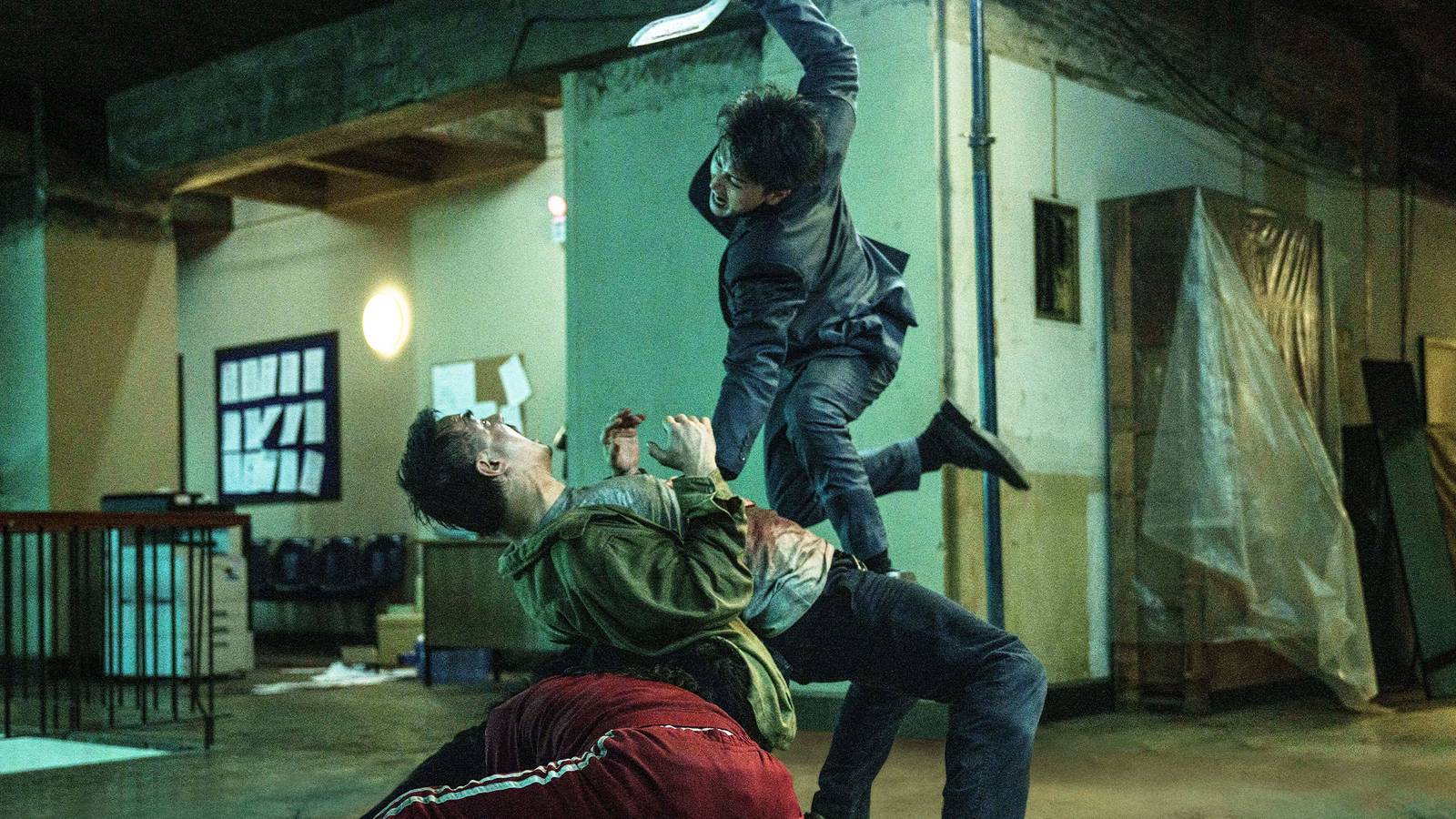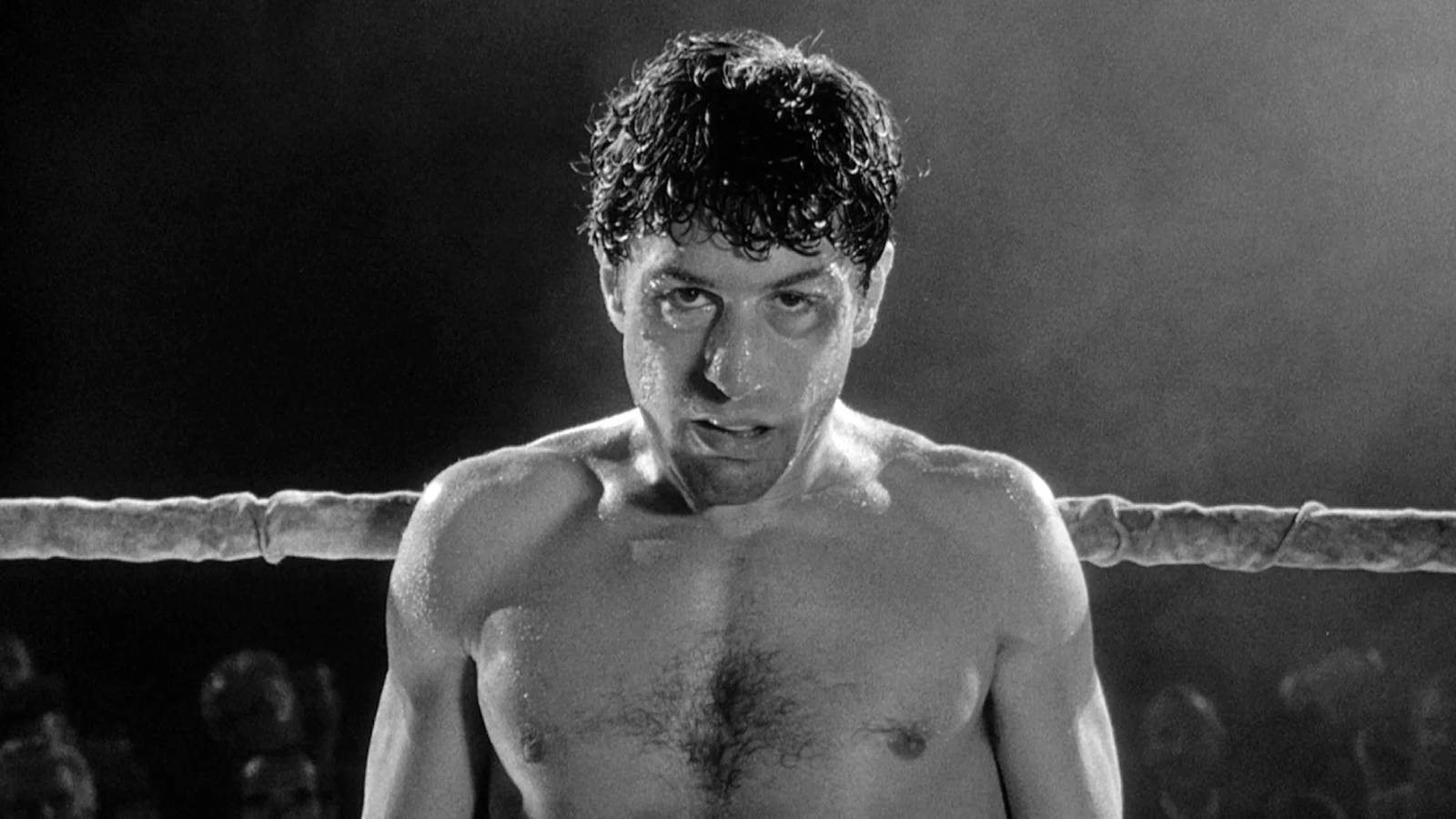
Martin Scorsese's 1980 boxing biopic 'Raging Bull' is often hailed as a perfect film. It features Robert De Niro's transformative, Oscar-winning performance, stunning black-and-white cinematography, and a raw exploration of self-destruction. The film's journey to the screen was dramatic itself, with Scorsese initially reluctant before a personal crisis led him to see the ring as a metaphor for life's brutal struggles. While it remains a pinnacle of sports cinema and a career-saving work for the director, it may not be his absolute crowning achievement. In the vast gallery of Scorsese's work, three other monumental films present even richer narratives, deeper thematic complexity, and more profound directorial vision.
The Underrated Epic: 'Silence' (2016)
In an era where many veteran directors struggle to match their earlier heights, Scorsese has continued to produce profound work. His 2016 historical drama 'Silence' stands as perhaps his most underappreciated masterpiece. A passion project decades in the making, it follows two Jesuit priests facing persecution in 17th-century Japan. While it underperformed commercially, it's a film of staggering spiritual and visual power.
Featuring impeccable performances from Andrew Garfield, Adam Driver, and Liam Neeson, 'Silence' tackles themes of faith, doubt, and sacrifice with unflinching intensity. Rodrigo Prieto's Oscar-nominated cinematography captures both breathtaking landscapes and intimate torment. The film demands patience with its contemplative, nearly three-hour runtime, offering a challenging but immensely rewarding experience for those willing to engage with its profound questions. For fans of films that test your limits, this is essential viewing.
The Neo-Noir Landmark: 'Taxi Driver' (1976)
Long before 'Raging Bull,' Scorsese announced himself as a visionary with 'Taxi Driver.' This gritty character study of a mentally unstable New York cab driver, Travis Bickle, became an instant classic and won the Palme d'Or at Cannes. It was Scorsese's second collaboration with De Niro, who delivers one of cinema's most iconic and unsettling performances.
The film masterfully channels the post-Vietnam national anxiety and urban decay of 1970s America. Paul Schrader's brilliant screenplay and Bernard Herrmann's haunting score create a atmosphere of simmering tension. 'Taxi Driver' didn't just define the New Hollywood movement; it created a template for exploring alienated anti-heroes that filmmakers still reference today. Its depiction of a city's dark underbelly remains unmatched, a perfect example of a film that gets better with age.
The Definitive Crime Saga: 'Goodfellas' (1990)
Widely considered Scorsese's magnum opus, 'Goodfellas' represents the peak of his storytelling prowess. This electrifying dive into the mob lifestyle, based on Nicholas Pileggi's book 'Wiseguy,' moves with a kinetic energy and dark humor that 'Raging Bull's' operatic tragedy doesn't possess. From its famous Copacabana tracking shot to its rapid-fire editing, the film is a technical marvel.
Ray Liotta, Robert De Niro, and Joe Pesci lead an unforgettable ensemble, with Pesci winning an Oscar for his volatile performance. 'Goodfellas' masterfully balances glamour with gut-wrenching violence, creating a seductive yet horrifying portrait of criminal ambition. Its influence is immeasurable, reshaping the gangster genre and inspiring countless filmmakers. For those who appreciate meticulously crafted cinema, it's the gold standard, much like the works featured in our guide to HBO classics that reward rewatches.
A Legacy of Mastery
Debating the rankings of Scorsese's filmography is a testament to his incredible consistency and range. From the spiritual anguish of 'Silence' to the urban psychosis of 'Taxi Driver' and the brutal poetry of 'Goodfellas,' these three films showcase different facets of a genius at work. They each build upon the foundation of raw character study seen in 'Raging Bull' but expand their scope into broader societal, spiritual, and narrative territories.
What makes Scorsese's career so remarkable is this very diversity. He can follow a three-hour historical meditation with a sprawling crime epic or a psychological thriller. While 'Raging Bull' will forever be celebrated for its technical perfection and emotional punch, these three masterpieces offer even more complex layers, enduring cultural impact, and directorial ambition. They solidify Scorsese's status not just as a great filmmaker, but as an essential artist whose work continues to define the possibilities of cinema.