In an industry where sequels and safe bets often dominate, finding truly original video games can feel like a treasure hunt. Yet, a handful of titles have dared to defy convention, reshaping what games can be. These aren't just games; they're experiences that challenge our expectations and leave a lasting mark on the medium.
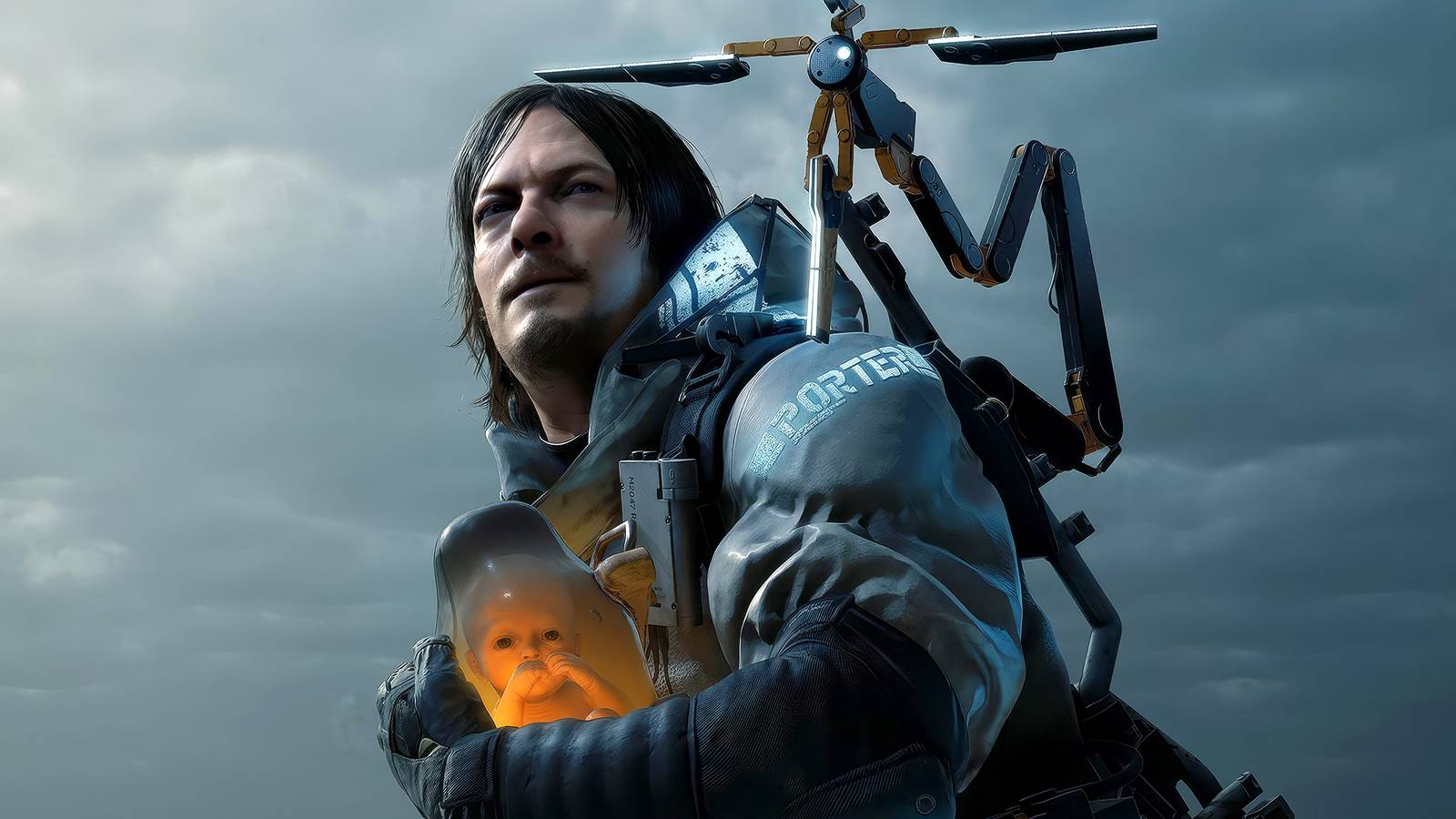
Death Stranding (2019)
Hideo Kojima, the mastermind behind Metal Gear Solid, returned with Death Stranding, a game that redefines connectivity. Set in a fractured post-apocalyptic America, players traverse a desolate landscape to reconnect isolated communities. The game's 'strand' genre turns mundane tasks like delivering packages into a deeply engaging and emotional journey, proving that even the simplest actions can be profound.

Superhot (2016)
What if time only moved when you did? That's the brilliant premise of Superhot, a first-person shooter that feels more like a tactical puzzle. Players dodge bullets in slow motion, plan their next move, and execute with precision. Its minimalist visuals and mind-bending narrative blur the line between reality and game, making it a standout in a crowded genre.
Shadow of the Colossus (2005)
Before Shadow of the Colossus, no game had stripped away everything but the boss battles. This masterpiece focuses solely on sixteen colossal creatures, each a towering puzzle and an emotional confrontation. With no towns, no NPCs, and no leveling, it's a pure, cinematic experience that remains unmatched in its scale and poignancy.
Portal (2007)
Valve's Portal took the puzzle genre and bent it through a wormhole. Armed with a portal gun, players navigate test chambers that defy physics and logic. The game's clever mechanics and darkly humorous AI, GLaDOS, turned a simple concept into a beloved classic that still influences puzzle design today.
Minecraft (2011)
It's hard to imagine a world without Minecraft, but when it launched, its blocky, open-ended sandbox was revolutionary. Players could mine, build, and explore a procedurally generated world with no goals except those they set for themselves. This freedom inspired countless imitators and turned a simple idea into a cultural phenomenon.
Inscryption (2021)
The newest entry on this list, Inscryption, is a deck-building roguelike that constantly subverts expectations. Set in a creepy cabin, players face off against a mysterious entity in a card game that evolves into something far more sinister. Its genre-shifting narrative and meta-commentary make it a must-play for those seeking something truly different.
Papers, Please (2013)
Indie games often push boundaries, and Papers, Please is a prime example. As an immigration inspector in a dystopian state, players must scrutinize documents and make moral choices that affect their family's survival. It's a tense, bureaucratic thriller that turns paperwork into a gripping ethical dilemma.
These games prove that originality isn't dead. They remind us that the medium can still surprise, challenge, and inspire. For those looking to explore more unconventional titles, check out our list of hidden adventure gems or dive into the best sci-fi games for newcomers. And if you're a fan of atmospheric worlds, don't miss our ranking of the most atmospheric games ever.