After two seasons of careful setup, The Lord of the Rings: The Rings of Power has finally found its footing. Season 3 is a triumphant blend of the slow-burn world-building from the first season and the high-stakes drama introduced in the second. The result is a series that not only honors J.R.R. Tolkien's legendarium but also stands as a compelling television experience in its own right.
The showrunners, J.D. Payne and Patrick McKay, have often cited their deep love for Tolkien's works, but adapting the Second Age is no easy task—the source material is sparse, and the rights are limited. This forced the creative team to invent new canon, which drew criticism early on. However, Season 3 proves that the patience required to build this world was worth it. The narrative threads, once disparate, now weave together into a cohesive and gripping tapestry.
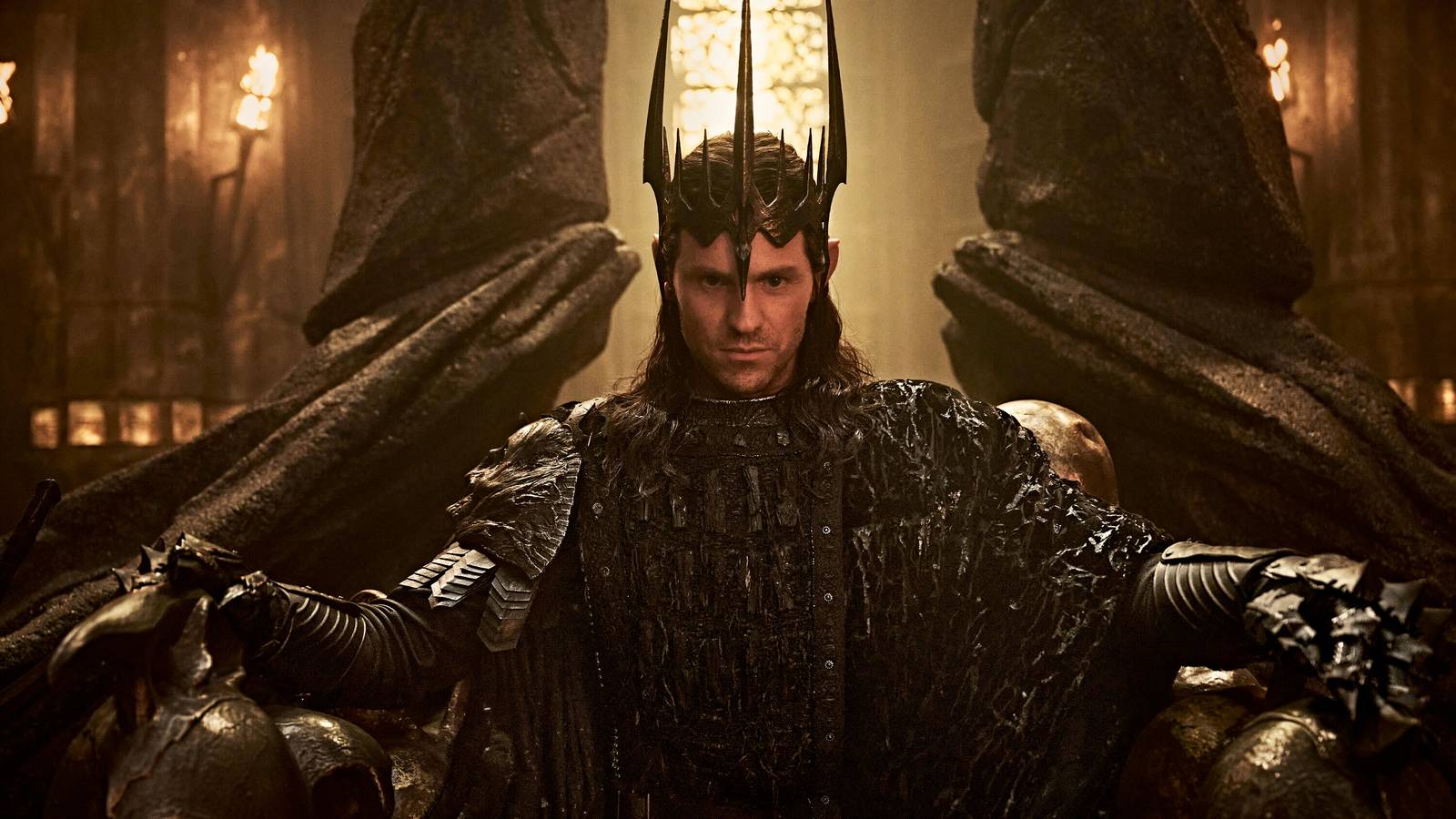
At the heart of this season is Sauron, portrayed with chilling brilliance by Charlie Vickers. No longer hiding behind the guise of Halbrand or the fair-seeming Annatar, Sauron steps fully into his role as the Dark Lord. His machinations drive the plot, and watching him consolidate power is both terrifying and mesmerizing. Vickers delivers a performance that is equal parts charisma and menace, making Sauron one of the most compelling villains on television.
The season also excels in uniting its various storylines. The political turmoil in Númenor, with the Faithful clashing with Pharazôn's loyalists, dovetails with the Elves' desperate resistance led by Elrond and Gil-galad. The Dwarves of Khazad-dûm face their own trials, while Gandalf's journey through Rhûn adds a layer of mystery. This convergence of plots creates a sense of momentum that was missing in earlier seasons, and it pays off in spectacular fashion.
Yet, for all its narrative strengths, The Rings of Power Season 3 is hampered by a baffling release strategy from Prime Video. The season premieres with four episodes, followed by two per week, wrapping up before Thanksgiving. This accelerated schedule feels like a lack of confidence from the studio, especially when compared to the weekly rollout of other Prime hits like Fallout, which benefited from a slower pace. With so much happening in each episode—betrayals, shifting allegiances, and major deaths—viewers deserve time to digest the events and appreciate the stunning visuals, such as the forging of the One Ring in the fires of Mount Doom.
Despite these distribution missteps, the character work in Season 3 is its greatest strength. Galadriel, played by Morfydd Clark, continues to evolve, while new additions like Eddie Marsan's Thrain and Jamie Campbell Bower's Celeborn add depth. The ensemble cast, including Owain Arthur's Durin and Lloyd Owen's Elendil, all get moments to shine. The show has finally learned to balance its sprawling cast, giving each character a meaningful arc.
For fans of Tolkien, this season is a gift. It bridges the gap between the Second Age and the events of The Lord of the Rings, offering a satisfying prelude to the stories we know. The show's commitment to exploring themes of power, corruption, and hope resonates deeply. It's a shame that the release schedule may prevent it from getting the attention it deserves, but for those who stick with it, The Rings of Power Season 3 is a rewarding journey.
As the series hurtles toward its conclusion, one thing is clear: The Rings of Power has finally become must-watch TV. Whether you're a die-hard Tolkien fan or a casual viewer, this season offers something for everyone. It's a testament to the power of patience and the enduring appeal of Middle-earth.