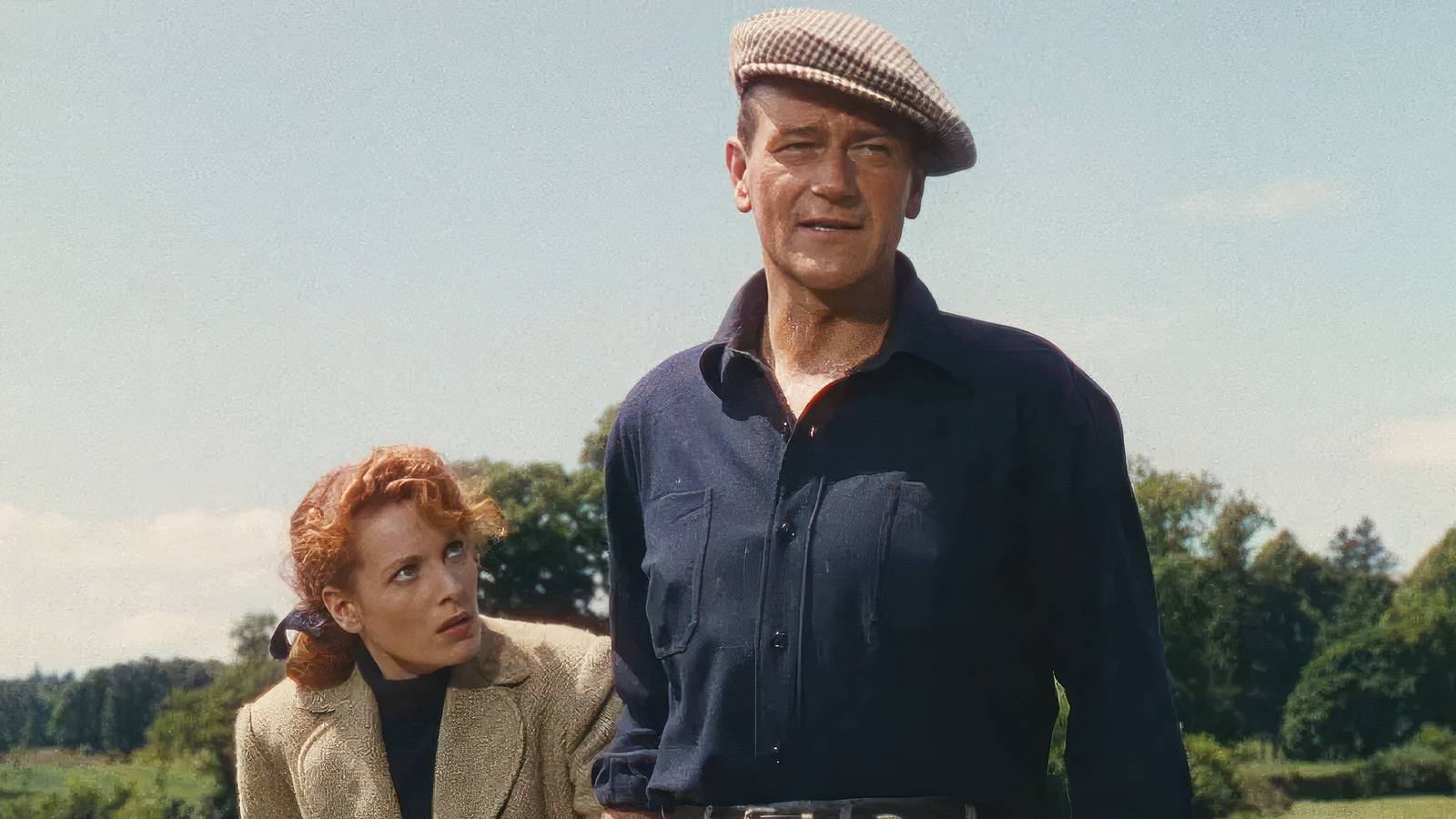
When you think of John Wayne, you likely picture a stoic cowboy or a hardened soldier, the embodiment of American grit. Yet, film historians and devoted fans often point to a surprising outlier in his filmography as his crowning achievement: the 1951 romantic dramedy The Quiet Man. Directed by his frequent collaborator John Ford, this film forced the iconic actor far from his comfort zone, delivering a performance of unexpected sensitivity and charm.
A Departure from the Duke's Persona
Wayne built a legendary career on a specific, formidable screen presence—unshakable, patriotic, and physically dominant. While this made him a star in countless Westerns and war films, it sometimes overshadowed his range as a performer. In The Quiet Man, Ford masterfully deconstructs that very persona. He strips away Wayne's trademark invincibility, placing him in the unfamiliar world of Irish village life, societal customs, and turbulent romance.
Sean Thornton: A Man Out of His Element
Wayne plays Sean Thornton, an Irish-born American and retired boxer who returns to his homeland to reclaim his family's farm. Despite his physical prowess, Sean is a fish out of water, bewildered by local traditions and thoroughly disarmed by the fiery, independent Mary Kate Danaher, played with radiant spirit by Maureen O'Hara. This role required Wayne to be hesitant, smitten, and emotionally accessible—qualities seldom demanded in his typical heroic parts.
The film is a vibrant love letter to Ireland, winning Ford his fourth Best Director Oscar for its breathtaking Technicolor photography of the countryside. But its heart lies in the dynamic between Sean and Mary Kate. Here, Wayne allows his character to be bested and bewitched, making Sean perhaps his most relatable and human creation. His subtle performance captures the ache and comedy of a man completely captivated.
Ford's Masterful Guidance
No director understood how to frame Wayne's strengths and probe his vulnerabilities better than John Ford. After guiding him through iconic Westerns like Stagecoach and The Searchers—films that themselves deconstructed the myths of the American West—Ford dropped his star into this charming, brawling community drama. The result showcased a different kind of strength: the courage to be vulnerable.
The famous, extended fistfight that closes the film is pure physical comedy and community catharsis, a far cry from the morally weighted gunfights of his Westerns. Yet, it's the quieter moments—Sean's awkward courtship, his confusion over local land politics—that truly redefine Wayne. He appears smaller, more thoughtful, and wonderfully out of his depth.
This exploration of an actor subverting their own legend isn't unique to classic Hollywood. Modern audiences can find similar fascinating deconstructions in genres like the Western, where films re-examine classic themes of justice and revenge. For a look at some of the most compelling examples, check out our ranking of the most satisfying revenge Westerns ever made.
A Lasting Legacy
The Quiet Man endures as a St. Patrick's Day staple and a critical favorite precisely because it reveals the man behind the myth. Wayne's Sean Thornton is a portrait of a man seeking peace and connection, a far more complex goal than simply saving the day. It proves that the actor's talent was most luminous when he wasn't playing an untouchable hero, but a flawed, yearning human being.
While Wayne's later work, like his Oscar-winning turn in True Grit, solidified his legend, The Quiet Man remains his most soulful performance. It's a testament to the magic that can happen when a iconic star is guided by a visionary director into uncharted, and unexpectedly fertile, territory. For fans wanting to explore more of Wayne's filmography, don't miss his overlooked 'Rooster Cogburn' sequel before it rides off Netflix.