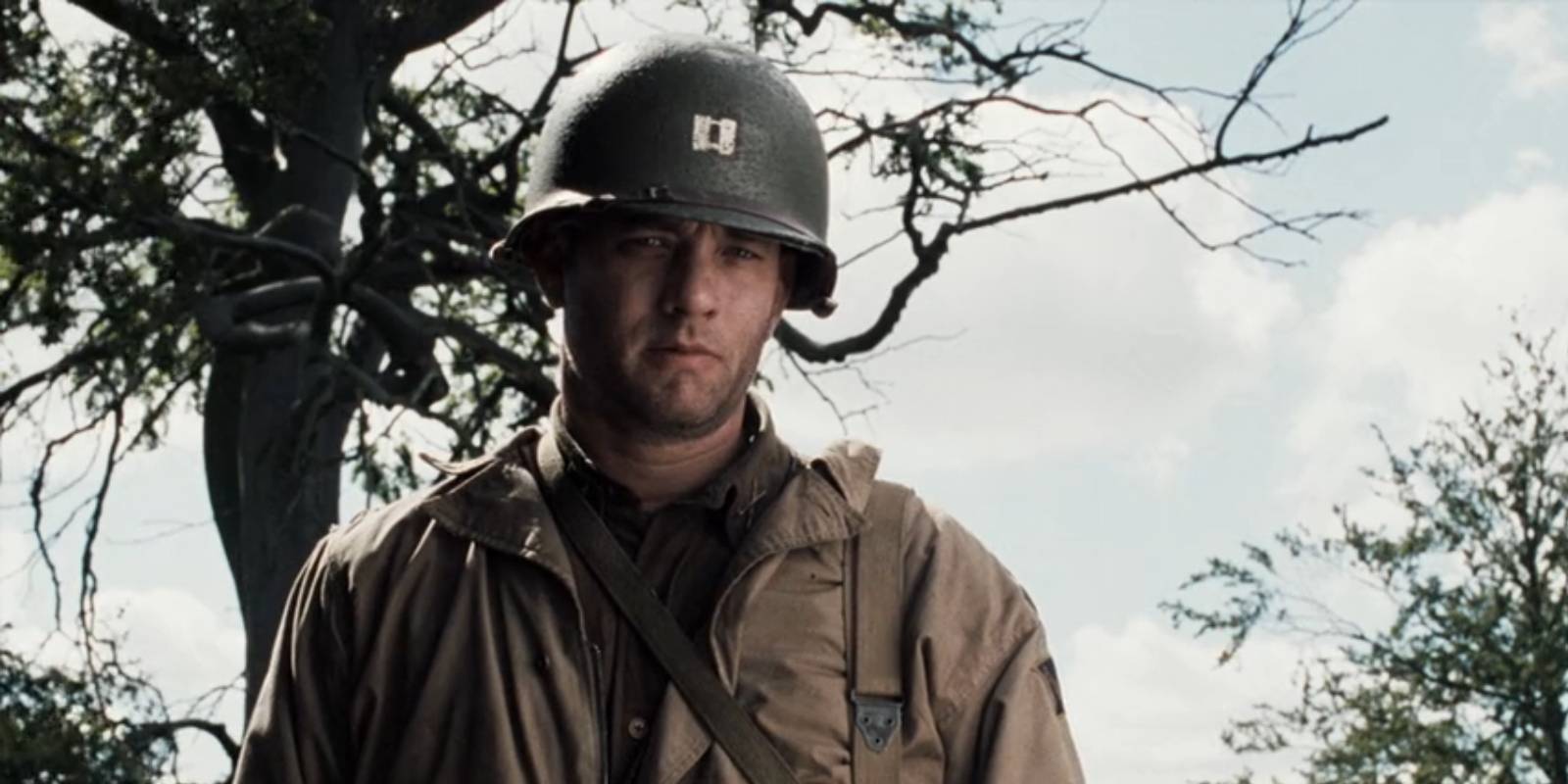
Steven Spielberg's Saving Private Ryan stands as a monumental achievement in war cinema. Its brutal, immersive depiction of D-Day and the poignant mission at its core have rightfully cemented its place in film history. Yet, the vast landscape of war films is dotted with towering works that push beyond visceral combat to explore the profound psychological, historical, and mythic dimensions of conflict. While Spielberg's film is a benchmark, these three masterpieces offer even richer, more complex visions.
The Elastic Canvas of War Cinema
War films are not a monolith. They can be intimate character studies, like Terrence Malick's poetic The Thin Red Line, which debuted the same year as Saving Private Ryan and offered a starkly philosophical counterpoint. They can be pure, pulpy adventure, or even blend with comedy and science fiction, demonstrating the genre's incredible flexibility. This variety sets the stage for works that achieve a different kind of greatness—films that are not just about battle, but about the transformation of the human spirit under extreme duress.
'Lawrence of Arabia' (1962): The Desert Epic That Shaped Cinema
If one film can claim to have inspired a generation of filmmakers, including Spielberg himself, it is David Lean's breathtaking epic. Chronicling the enigmatic T.E. Lawrence's role in the Arab Revolt during World War I, the film is less a conventional war movie and more a sweeping study of identity, ambition, and the corrosive nature of conflict. Peter O'Toole's iconic performance captures Lawrence's charisma and unraveling psyche with mesmerizing intensity.
The film's legacy is as vast as its desert vistas. Its visual grandeur, captured by cinematographer Freddie Young, created a template for cinematic spectacle. Its influence echoes in the works of directors from George Lucas to Kathryn Bigelow. As a piece of historical drama and pure cinematic art, its scope and ambition arguably place it in a rarefied tier above even the most gripping WWII narratives. It's a prime example of the kind of cinematic masterpiece that defines an era.
'Apocalypse Now' (1979): A Descent into Heart of Darkness
Francis Ford Coppola's hallucinatory journey into the Vietnam War represents the pinnacle of war as psychological horror. Loosely adapting Joseph Conrad's Heart of Darkness, the film follows Captain Willard (Martin Sheen) on a mission to assassinate the rogue, god-like Colonel Kurtz (Marlon Brando). What unfolds is not a realistic battle narrative but a surreal, philosophical odyssey into madness, examining how war strips away civilization's thin veneer.
The film's notoriously troubled production became legend, but the result is a fever-dream masterpiece that captures the confusion and moral decay of its era like no other. From its iconic opening montage set to "The End" to the haunting, shadow-drenched finale, Apocalypse Now achieves a harrowing, mythic power. It's a film that, much like relentless action thrillers, grips you and doesn't let go, but its impact is cerebral and deeply unsettling.
The Contender: 'Paths of Glory' (1957)
While the original article highlighted a third film, the argument for supremacy invites consideration of other giants. Stanley Kubrick's Paths of Glory is a blistering indictment of military hypocrisy and bureaucracy set in the trenches of World War I. Its focused, furious narrative about soldiers sacrificed for political expediency offers a different kind of mastery—one of relentless, claustrophobic tension and moral outrage. Its black-and-white cinematography and Kirk Douglas's driven performance create a stark, unforgiving portrait of institutional failure, proving that a war film's power can lie in the courtroom and the trench as much as on the battlefield.
The Legacy of the Genre
Debating the "best" war film is ultimately subjective, but it highlights the incredible depth of the genre. From the epic scale of Lawrence of Arabia to the psychedelic nightmare of Apocalypse Now and the searing critique of Paths of Glory, these films use the backdrop of war to ask fundamental questions about humanity, leadership, and sacrifice. They are timeless treasures that continue to resonate because they look beyond the immediate horror to explore its lasting, complex echoes. Saving Private Ryan gives us the terrifying reality of combat; these masterpieces force us to live with its consequences.