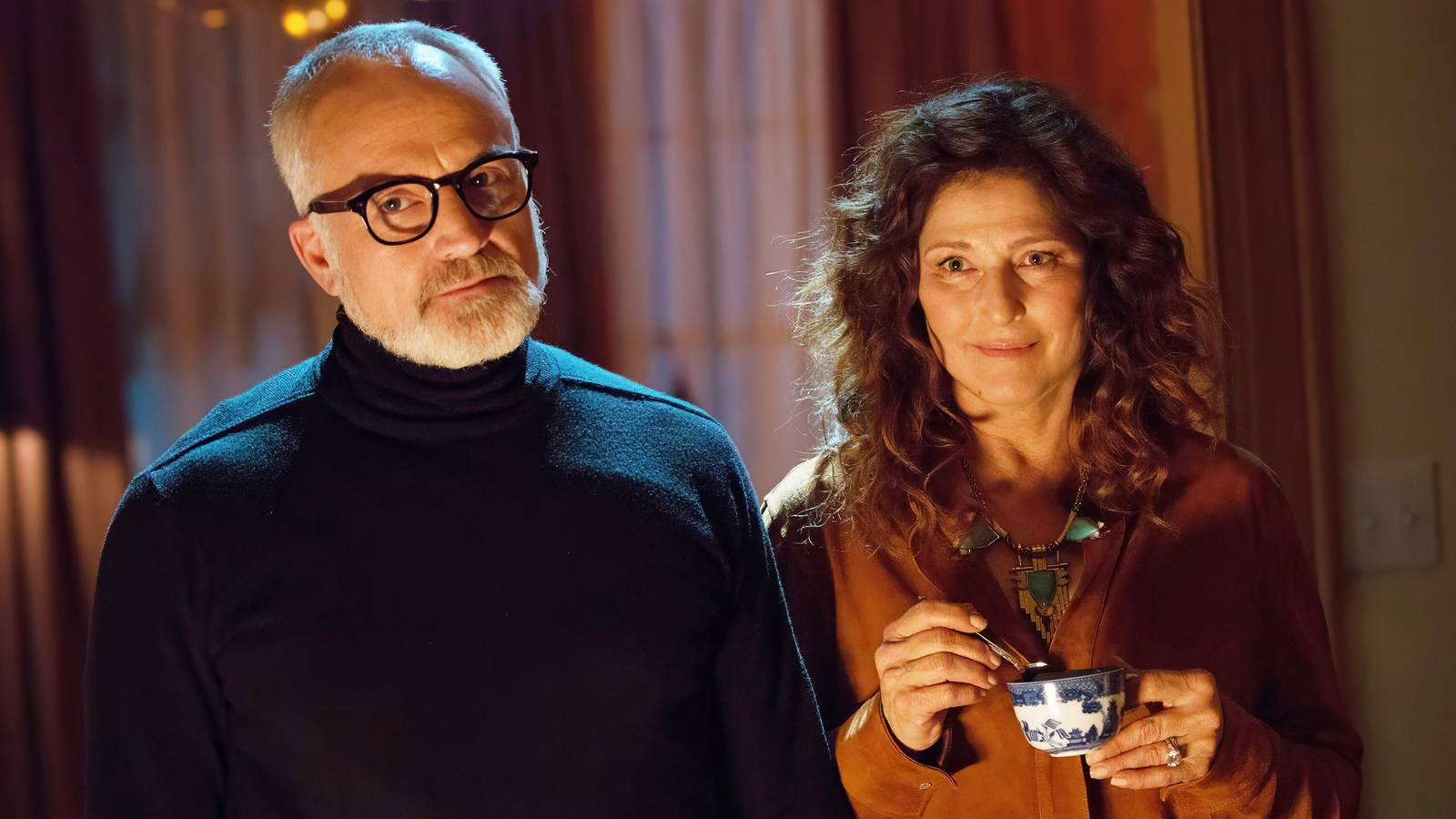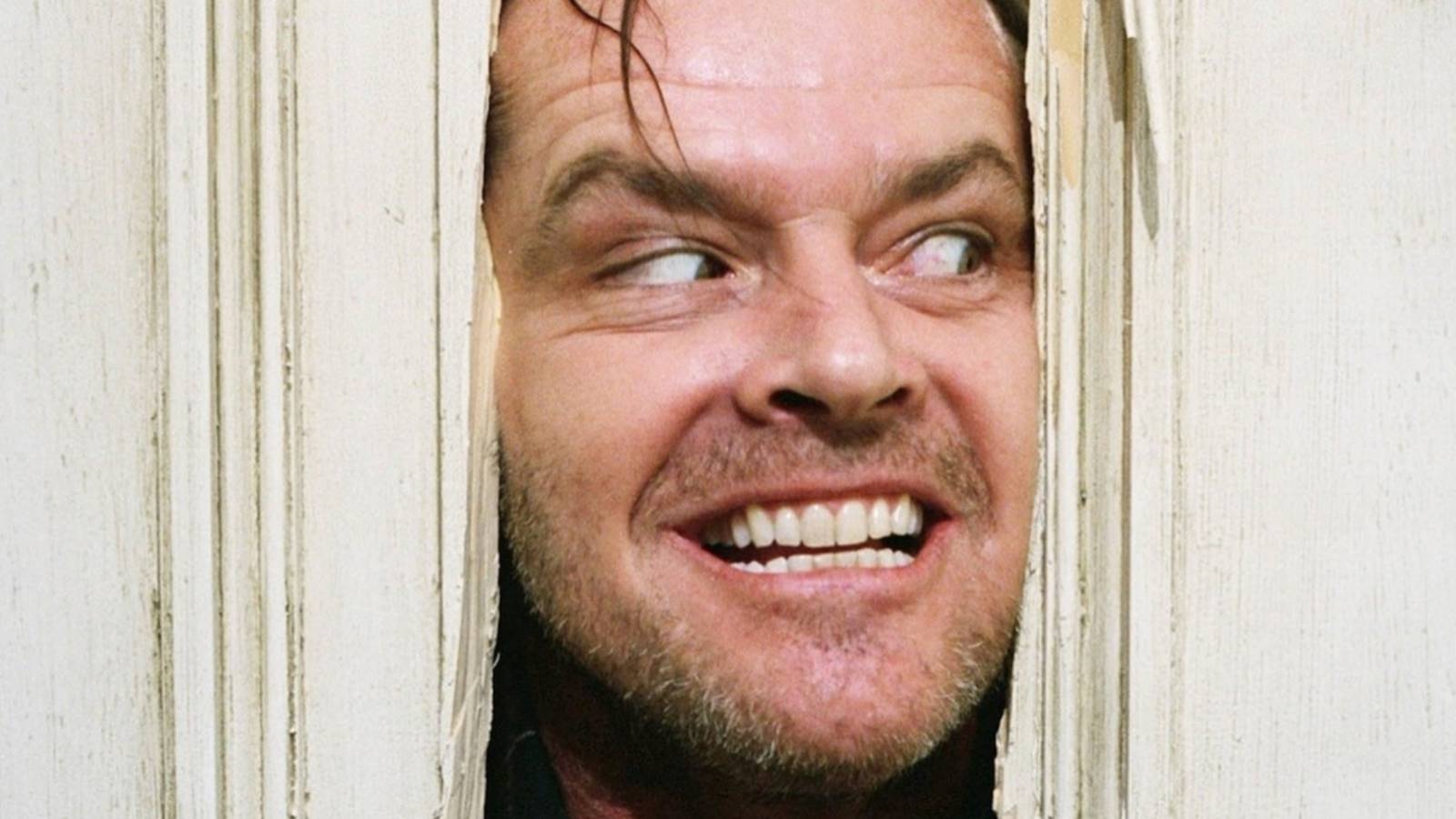
When Hereditary ended, I sat in silence, unable to shake the unease that had settled into my bones. It wasn't just a few jump scares—it was a slow, creeping dread that lingered long after the credits rolled. But as haunting as that film is, a handful of older horror movies manage to go even further. They rely on simplicity, atmosphere, and psychological terror that feels inescapable. Here are three that outdo Hereditary in building relentless fear.
3. 'The Exorcist' (1973)
William Friedkin's The Exorcist begins in a quiet Georgetown home, where young Regan MacNeil (Linda Blair) starts exhibiting bizarre behavior that defies medical explanation. Her mother, Chris (Ellen Burstyn), first turns to doctors, but as Regan's condition spirals into violent seizures and grotesque transformations, medicine fails. Desperate, Chris seeks help from Father Karras (Jason Miller), a priest grappling with his own crisis of faith. Karras investigates, witnessing the horrifying changes firsthand, and ultimately faces a final, harrowing confrontation within the house. The film's power lies in its deliberate pacing and the way it makes the supernatural feel disturbingly real—a masterclass in building dread through everyday settings.
2. 'The Texas Chain Saw Massacre' (1974)
Tobe Hooper's The Texas Chain Saw Massacre follows a group of friends, including Sally Hardesty (Marilyn Burns) and her brother Franklin (Paul A. Partain), on a road trip through rural Texas. After picking up a hitchhiker who leaves them unsettled, they arrive at an old family home and explore the surrounding area. When they enter a nearby house that seems abandoned, they are met with sudden, brutal violence. The occupants—a family of cannibals led by the iconic Leatherface—turn the trip into a nightmare. Sally's desperate escape through the Texas heat, with no refuge in sight, creates a raw, visceral terror that feels almost documentary-like. This film proves that minimalism—a simple plot, a single setting, and relentless tension—can be more terrifying than any elaborate special effect.
1. 'The Shining' (1980)
Stanley Kubrick's The Shining opens with Jack Torrance (Jack Nicholson) taking a job as winter caretaker of the isolated Overlook Hotel, bringing his wife Wendy (Shelley Duvall) and son Danny (Danny Lloyd). As they settle in, Danny begins having psychic visions of the hotel's violent past. The isolation and the hotel's eerie influence slowly warp Jack's mind, turning him paranoid and aggressive. Danny's visions reveal a history of murder and madness, linking past horrors to the present. As winter traps the family inside, Jack's descent into insanity forces Wendy and Danny to confront the malevolent force within the hotel. Kubrick's use of wide shots, unsettling symmetry, and a creeping sense of claustrophobia makes The Shining a benchmark for psychological horror—a film where the real terror comes from the unraveling of a family.
These three classics share a common thread: they don't rely on cheap thrills. Instead, they build fear through atmosphere, character, and a slow-burn approach that stays with you. For fans of Hereditary looking for even deeper chills, these films are essential viewing. And if you're in the mood for more spine-tingling recommendations, check out our list of The 10 Most Masterfully Directed Sci-Fi Horror Films Ever Made or explore Top Stephen King Movies and Shows on Netflix: Ranked from Worst to Best.