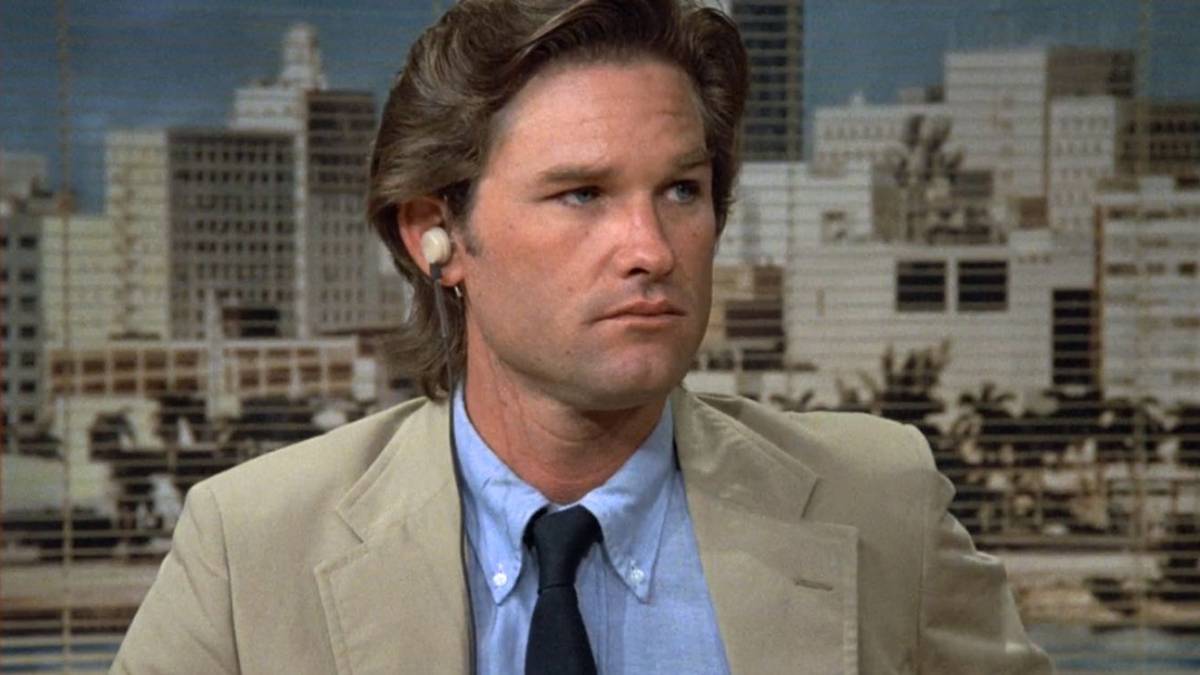
Before The Silence of the Lambs turned the serial killer genre into a box-office phenomenon, a different kind of predator stalked the screen—one that also questioned the ethics of the journalists who covered him. The Mean Season, a 1985 thriller now streaming on Prime Video, stars Kurt Russell as a Miami journalist caught in a deadly game with a killer who uses the press as his weapon. It's a tense, underrated gem that deserves a second look.
Set during the oppressive humidity of Miami's hurricane season, the film follows Malcolm Anderson (Russell), a crime reporter who plans to leave the city with his girlfriend Christine (Mariel Hemingway) for a quieter life in Colorado. But when a serial killer—the Numbers Killer, played by Richard Jordan—begins targeting victims and contacting Malcolm directly, the journalist's exit strategy is derailed. The killer wants a mouthpiece, and Malcolm becomes his reluctant conduit.

Ahead of Its Time: The Mean Season's Media Critique
Long before true crime became a streaming staple, The Mean Season dissected the exploitative nature of the industry. The film uses the physical machinery of newspaper printing as visual transitions, hammering home how the media machine churns tragedy into profit. Malcolm starts as a reporter covering the story, but soon becomes part of it—a transformation that mirrors the ethical tightrope walked by real journalists. The film never shows the victims' deaths directly, forcing the audience to confront their own voyeurism, much like the reporters who scramble for photos of the bodies.
This angle feels particularly relevant today, as shows like Prime Video's Lore and other true crime anthologies continue to blur the line between information and entertainment. The Mean Season asks: At what cost does a story become a career?
Kurt Russell and Mariel Hemingway: A Tense Domestic Drama
At its core, The Mean Season is also a relationship thriller. Malcolm's obsession with the Numbers Killer drives a wedge between him and Christine, who fears not just for his physical safety but for his mental health. Hemingway's performance is a standout—she plays Christine as the moral compass of the film, the only character who sees the killer's games for what they are: sick and twisted. Russell, always charming, portrays Malcolm's descent with a subtle desperation that makes his choices both frustrating and understandable.
The domestic tension is reminiscent of other crime dramas that explore how work consumes personal life, like Prime Video's Bosch, but The Mean Season adds an extra layer of danger: the killer is literally a romantic rival, occupying Malcolm's thoughts and time like a mistress he can't quit.
Why It's Still Worth Watching
Though it bombed at the box office, The Mean Season has aged remarkably well. Its critique of sensationalist media feels prescient, and its refusal to glamorize the killer—instead focusing on the psychological toll on those who cover him—sets it apart from later entries in the genre. The film also avoids the trap of making the killer too interesting; instead, it keeps him realistic, a misogynist whose motivations are disturbingly mundane.
For fans of Kurt Russell or anyone looking for a smart, tense thriller that predates the Silence of the Lambs era, The Mean Season is a hidden gem on Prime Video. It's a reminder that sometimes the most chilling stories are the ones that hold a mirror up to our own culture.