The first season of Netflix's Beef was a masterclass in focused, escalating tension. It captured lightning in a bottle with its simple yet explosive premise: a road rage incident that spiraled into all-consuming personal warfare. With that story so perfectly concluded, the announcement of a second season raised eyebrows. Creator Lee Sung Jin's solution was to transform the show into an anthology, a move that seemed logical on paper. The result, however, is a sophomore effort that spreads itself too thin, trading the razor-sharp precision of Season 1 for an ambitious but messy tapestry of ideas.
A New Kind of Conflict: Couples at War
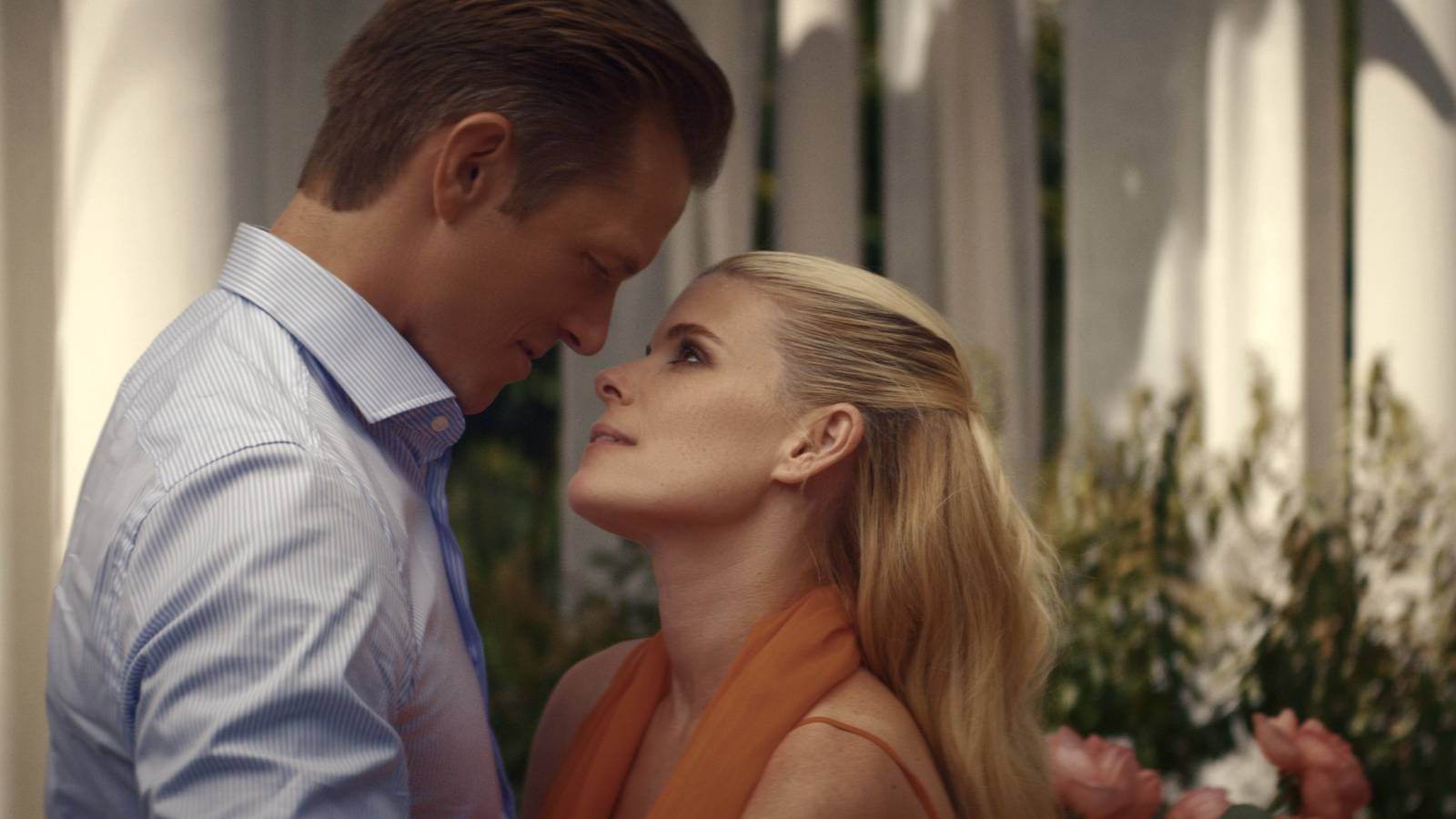
Season 2 swaps the singular feud for a clash between two couples from vastly different worlds. On one side are Josh (Oscar Isaac) and Lindsay (Carey Mulligan), an affluent but emotionally adrift married couple whose spark has long since fizzled. On the other are Ashley (Cailee Spaeny) and Austin (Charles Melton), a young, deeply in love but financially strained engaged pair. Their worlds collide at the exclusive Montecito country club where Josh is the manager and Ashley works. When Ashley and Austin secretly record a violent, private fight between Josh and Lindsay, they use it as blackmail to secure Ashley a promotion, setting off a chain of manipulation and resentment.
This core dynamic is where Beef Season 2 finds its most compelling material. The series offers a raw, often uncomfortable look at modern relationships. The contrast between the couples is stark: Ashley and Austin's devotion shines through their economic anxiety, while Josh and Lindsay's luxurious life masks a profound emptiness. Their crumbling marriage, plagued by infidelity, financial secrets, and sheer boredom, is portrayed with painful authenticity. For a time, the complex dance between these four characters provides enough dramatic fuel.
Where the Narrative Unravels
The trouble begins when the season ambitiously—and overzealously—tacks on additional layers. Beyond the central couples, the story introduces Chairwoman Park (the brilliant Youn Yuh-jung), the ultra-wealthy owner of the country club, and her husband Dr. Kim (Song Kang-ho). Their arrival shifts the show's focus from interpersonal beef to broader commentary on the ultra-rich. While the intent to highlight class divides is clear, the execution feels clunky. The series hammers home the point that Josh, while well-off, is a mere servant in the world of the truly elite, who jet off for plastic surgery and make legal troubles disappear with a phone call.
This expansion dilutes the impact. The initial blackmail plot begins to feel inconsequential next to the chairwoman's dramas, and the attempt to mirror the central relationships with her transactional marriage falls flat. The season also makes brief, underdeveloped stabs at tackling issues like racial identity, America's healthcare crisis, and impossible beauty standards. These themes feel more like checklist items than integral parts of the story, creating a disjointed experience that lacks the cohesive punch of its predecessor. It's a similar pitfall to when a show like Peaky Blinders introduces too many factions, muddying its core narrative.
A Cast Bursting with Talent, A Story Lacking Focus
There's no denying the powerhouse performances. Oscar Isaac and Carey Mulligan are devastatingly good as a couple who have forgotten how to connect, while Cailee Spaeny and Charles Melton bring a touching, grounded warmth to their struggling partnership. Youn Yuh-jung commands every scene she's in. Yet, even this stellar ensemble can't compensate for a script that gives them too many plates to spin. With only eight episodes, Beef Season 2 becomes a case of having more ideas than runtime, leaving promising threads feeling rushed or performative.
The lesson here might be one of creative restraint. Sometimes, as evidenced by the focused intensity of hits like Thrash, a tight, simple premise executed flawlessly yields better results than a sprawling, thematic buffet. Season 1 of Beef understood that a single, white-hot conflict could illuminate everything about its characters. Season 2, in trying to say more about society, loses sight of the intimate character study that made the show special in the first place.
Ultimately, Beef Season 2 is not without its merits. Its examination of love, resentment, and the masks we wear in relationships is often piercingly accurate. But by attempting to be a commentary on class, identity, marriage, and ambition all at once, it fails to deliver a knockout blow on any single front. It's a bold and well-acted experiment that, unfortunately, proves the original season's anthology-style conclusion might have been the right call after all. For viewers seeking that same relentless, focused energy, they may find more satisfaction in the clear stakes of a survival story like Apex.