Bebe Rexha is entering a bold new chapter. Her upcoming album Dirty Blonde, dropping June 12, 2026, isn't just another collection of songs—it's her first project as an independent artist, free from the constraints of a major label. In an exclusive interview, Rexha described the record as a "rebirth," a deeply personal journey that reflects her growth both as an artist and a human being.
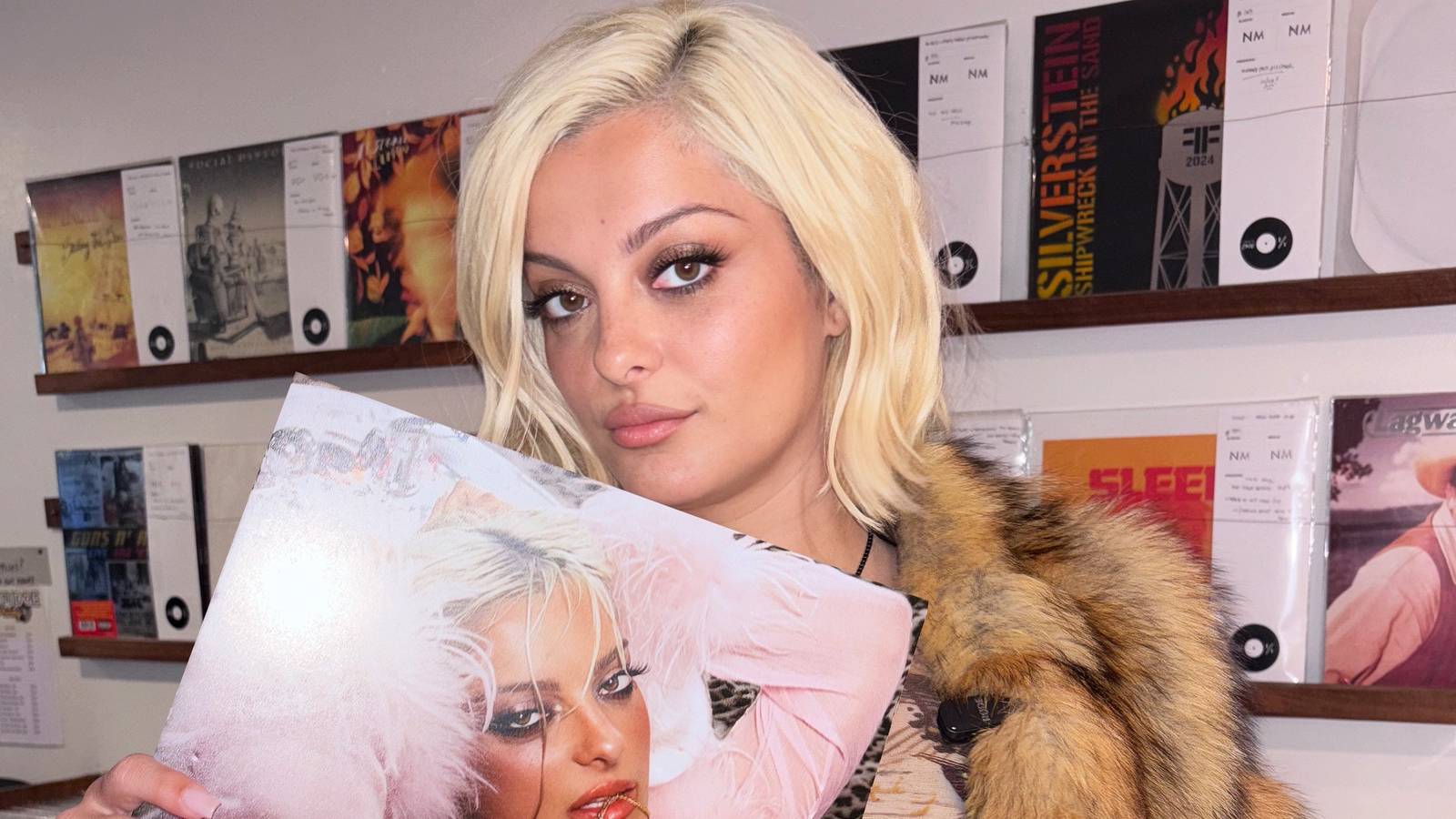
"You could do things a little bit more scrappy, a little bit more nontraditional," Rexha told Collider at Limited To One Record Shop in New York City. "If something's working or not working, you can pivot quickly." That newfound freedom has been liberating for the singer, who admits she spent years seeking external validation. "In the last three years, I've definitely learned how to be more grounded as a human being, and to stop asking for permission," she said. "My purpose right now is to make myself happy instead of looking for that approval outwards."
From Dance Floor Escape to Emotional Depths
Dirty Blonde started as a dance album—a way for Rexha to escape into euphoria while touring the world. "I went to London, Tokyo, Zurich, and the Greek islands to party," she recalled. But as she dug deeper into the creative process, the project evolved into something more raw. "I didn't want to come to terms with what the world was for me at that time, which was kind of a darker place," she explained. Songs like "I Like You Better Than Me" and "The Way I Want You" emerged from that vulnerability, showcasing a more introspective side.
Rexha credits Rihanna's Unapologetic as a blueprint for genre-blending. "I can listen to this album and never get bored," she said, citing tracks like "Stay" and "Pour It Up" as examples of how one record can span emotions. That versatility is evident on Dirty Blonde, which weaves dance, pop, and even Albanian influences into its fabric.
Roots in Brooklyn and Albania
Growing up in New York City as the daughter of Albanian immigrants, Rexha was immersed in a melting pot of sounds. "I love rhythmic music, dance music, Albanian music, hip-hop, R&B, classical, Broadway," she said. Her father would take her to Broadway shows, and her mother introduced her to Madonna. On Dirty Blonde, she pays homage to her heritage with the track "Çike Çike," singing in Albanian. "It was really important for me to put a little bit of Albanian onto this record, just because I've been trying to go deeper and deeper into who I am," she noted.
Rexha also drew inspiration from icons like Christina Aguilera and Madonna. Aguilera's self-titled debut, which she received on cassette from her aunt, was a formative influence. "I played that cassette over and over again," she said. Madonna taught her to push boundaries. "She's never confined in a box, and that's really inspiring to me."
This rebirth isn't just musical—it's personal. Rexha has performed in Albania multiple times, including at Dua Lipa's Sunny Hill Festival, and she continues to explore her identity through her art. For fans who've followed her journey from major-label pop to independent artistry, Dirty Blonde promises to be a testament to resilience and self-discovery.
In a landscape where artists are increasingly taking control of their careers, Rexha's story resonates. As she puts it, "I've been trying to go deeper and deeper into who I am." And with Dirty Blonde, she's inviting listeners along for the ride.