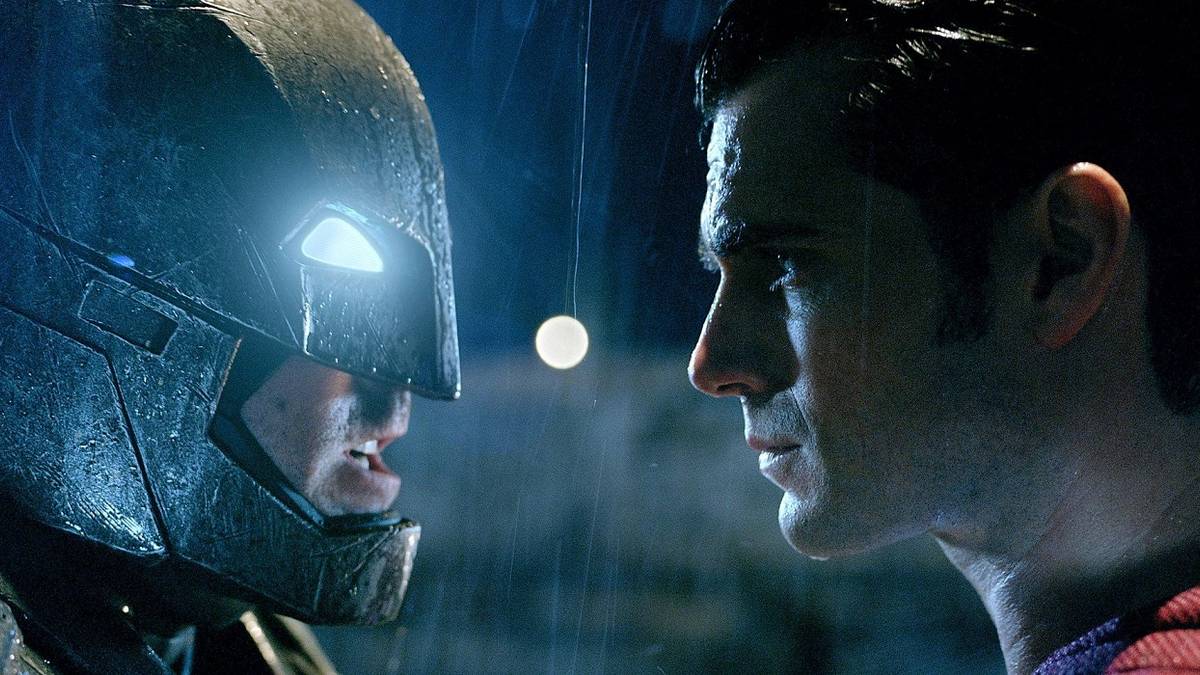
A decade ago, the cinematic showdown between the Dark Knight and the Man of Steel promised to be an event of mythic proportions. The mere concept of Batman and Superman sharing the screen, let alone clashing, sent shockwaves through fan communities and dominated pop culture conversations. Yet, the release of Batman v Superman: Dawn of Justice did not deliver the triumphant era-defining moment many anticipated. Instead, it sparked a debate that continues to this day: did this ambitious, flawed film inadvertently set the superhero genre on a path of diminished artistry?
A Flawed Titan's Artistic Ambition
Criticism of the film's narrative choices was swift and plentiful. Ben Affleck's portrayal of Batman was criticized for its inconsistent moral compass, while Henry Cavill's Superman was seen by many as overly grim. The film's plot mechanics, including the infamous "Martha" moment, left audiences and critics scratching their heads. However, to dismiss the film entirely is to overlook its undeniable visual power. From striking, almost religious imagery to meticulously composed action sequences, director Zack Snyder imbued every frame with a distinct, operatic style. Hans Zimmer's monumental score further elevated the sense of epic, tragic scale, creating moments of pure cinematic grandeur that few superhero films have matched since.

The Fading Art of the Blockbuster
In the years following Batman v Superman, a noticeable shift occurred. While the film was faulted for its story, its commitment to a directorial vision and cinematic craft was absolute. Today, many major superhero releases feel homogenized, often shot on sterile soundstages with a glaring lack of visual personality. Films like Ant-Man and the Wasp: Quantumania and Thor: Love and Thunder have been criticized for their underwhelming aesthetics. Even newer, well-received projects sometimes prioritize bright, flat lighting over atmospheric texture. This trend echoes the experiences of directors like Nia DaCosta, who have spoken about the challenges of maintaining creative control within the studio franchise machine. Standouts like Logan and The Batman prove artistry is possible, but they often exist outside the main continuity, becoming celebrated exceptions rather than the standard.
The IP Over Story Problem
Perhaps the most enduring—and damaging—lesson the industry took from Batman v Superman was about marketing. The film's entire premise was its selling point: two icons in conflict. In the decade since, the genre has increasingly relied on this model, prioritizing cameo-driven spectacle over narrative substance. While earlier team-ups like The Avengers were built on years of character development, recent hits like Spider-Man: No Way Home and the upcoming Deadpool & Wolverine often generate hype through surprise appearances and legacy casting alone. The result can be a fleeting buzz, where the excitement of seeing a character outweighs the quality of the story they're in, leading to films that are enjoyed in the moment but lack lasting impact.
Is There a Path Forward?
The future of superhero cinema now stands at a crossroads. Upcoming tentpoles like Avengers: Doomsday suggest the lure of massive crossover events remains the industry's primary engine. Yet, there are glimmers of hope. Visionary filmmakers like James Gunn, who is spearheading the new DC Universe, and the Russo brothers have expressed a desire to refocus on character-driven narratives. The success of audacious, non-traditional takes on the genre, such as The Boys, also proves audience appetite for innovation remains strong.
The legacy of Batman v Superman: Dawn of Justice is not one of simple failure or success. It is a cautionary tale about the balance between ambition and execution, between directorial vision and coherent storytelling. The film dared to be grandiose and somber in a genre leaning toward quips and brightness. In reacting to its perceived failures, the industry may have overcorrected, trading one set of problems for another. A decade later, the hope is that filmmakers will learn the right lessons: that superhero films can be both artistically bold and narratively satisfying, and that the promise of a compelling story should always be greater than the promise of a familiar logo.