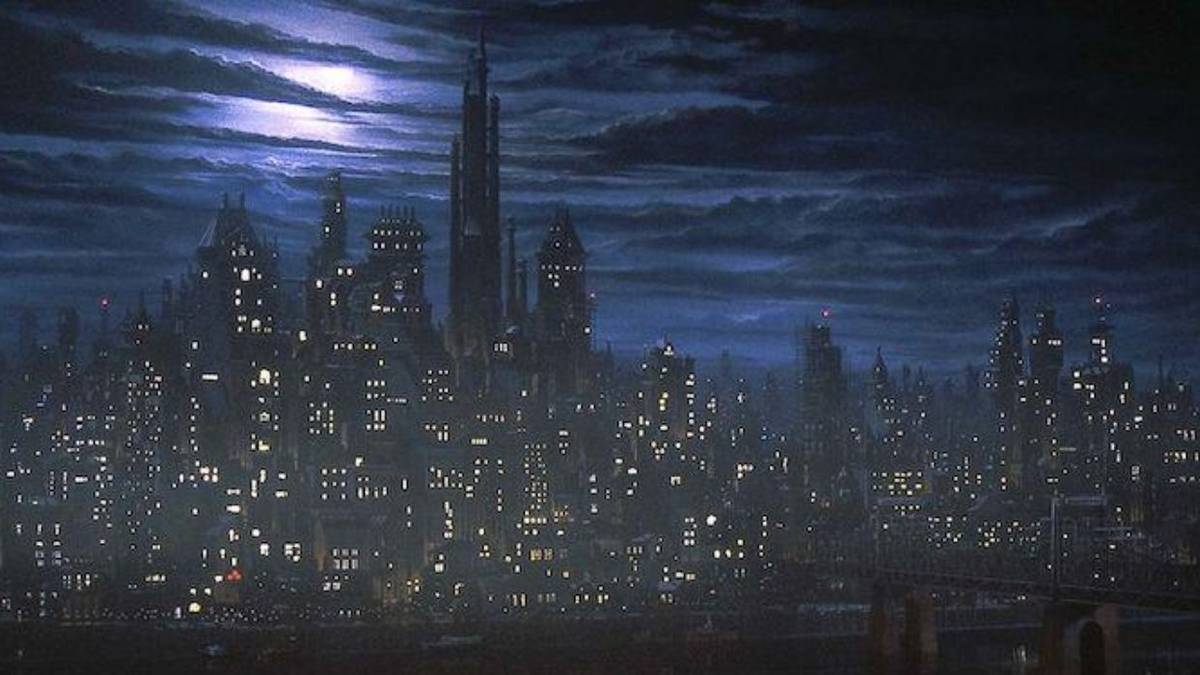
Twenty years after its release, Batman Begins still holds a unique place in superhero cinema—not because of its caped crusader, but because of the city he's trying to save. While The Dark Knight often steals the spotlight with the Joker's chaos, Christopher Nolan's first Batman film quietly remains the most grounded and unsettling entry in the trilogy. Its true villain isn't a man in a mask; it's the fear that has seeped into every corner of Gotham.
From the opening scenes, the movie makes one thing clear: Gotham is already broken. The cops are exhausted, the judges are weary, and even the wealthy seem to have traded comfort for anxiety. The city doesn't feel dangerous because of supervillains—it feels dangerous because no one believes things will get better. That's where Nolan got it right. Before Batman can matter, the city has to be sick. And Batman Begins makes sure we feel that sickness in every grimy alley and rattling train.
Fear as the Real Antagonist
Jonathan Crane, aka the Scarecrow (Cillian Murphy), is terrifying in his own right—no one should look that pleased while discussing psychological collapse. But he's more of a symptom than the cause. The movie's real monster is fear itself, and everyone in Gotham is already infected before the toxin hits the water supply. The League of Shadows isn't a typical comic-book villain group; they feel like something born from sleepless nights and endless bad news. Their logic—that Gotham is already collapsing, so why not raze it—is horrifying, but the city keeps giving them evidence.
This focus on fear makes Batman Begins feel more relevant than ever. In an era of constant anxiety, the film's portrayal of a society on the edge resonates deeply. It's not about a hero swooping in to save the day; it's about a community that's one bad week away from falling apart. That's why the movie has aged so well, while other superhero films blur into digital rubble and multiverse chaos.
Bruce Wayne: A Flawed Hero
What's often forgotten is how messy Bruce Wayne (Christian Bale) is in this film. Unlike the mythic figure he becomes later, here he's angry, traumatized, and lost. Everyone around him—Alfred (Michael Caine), Rachel (Maggie Gyllenhaal), even Lucius Fox (Morgan Freeman)—worries about him. They see a rich man trying to turn grief into a business model with body armor. The suit itself looks uncomfortable, as if wearing it hurts. Becoming Batman isn't empowering; it's punishing.
This vulnerability makes the story more compelling. Bruce isn't a savior; he's a broken man trying to fix a broken city. And the city doesn't make it easy. Carmine Falcone (Tom Wilkinson) isn't a cartoon mobster; he's a man who knows everyone important has already given up. By the time Bruce puts on the cape, Gotham has already lost half the fight. Batman isn't arriving to clean up a few bad guys—he's walking into a civic nervous breakdown with ears.
Why It Still Works
Twenty years later, Batman Begins stands out because it keeps the damage close enough to touch. It's about a city rotting, a man breaking, and fear becoming the one thing everyone shares. While other Batman stories focus on the spectacle, this one focuses on the soul of Gotham. For fans looking to dive deeper into the Dark Knight's world, check out the trailer for Batman: Knightfall Part 1 or revisit Tim Burton's Batman 4-film series for a different take on the character.
Ultimately, Batman Begins isn't about the hero—it's about the city that needs him. And that's why it remains the smartest thing Nolan ever did with the franchise. The real villain was never Scarecrow or Ra's al Ghul. It was the fear that had already taken root in Gotham's heart.