PlayStation's recent announcement that it will cease physical game production by January 2028 has sent shockwaves through the gaming world. The move, which follows a controversial licensing purge that stripped users of hundreds of purchased movies, has sparked an outcry from developers, publishers, and even a French presidential candidate. At the heart of the debate: the future of game ownership and preservation.
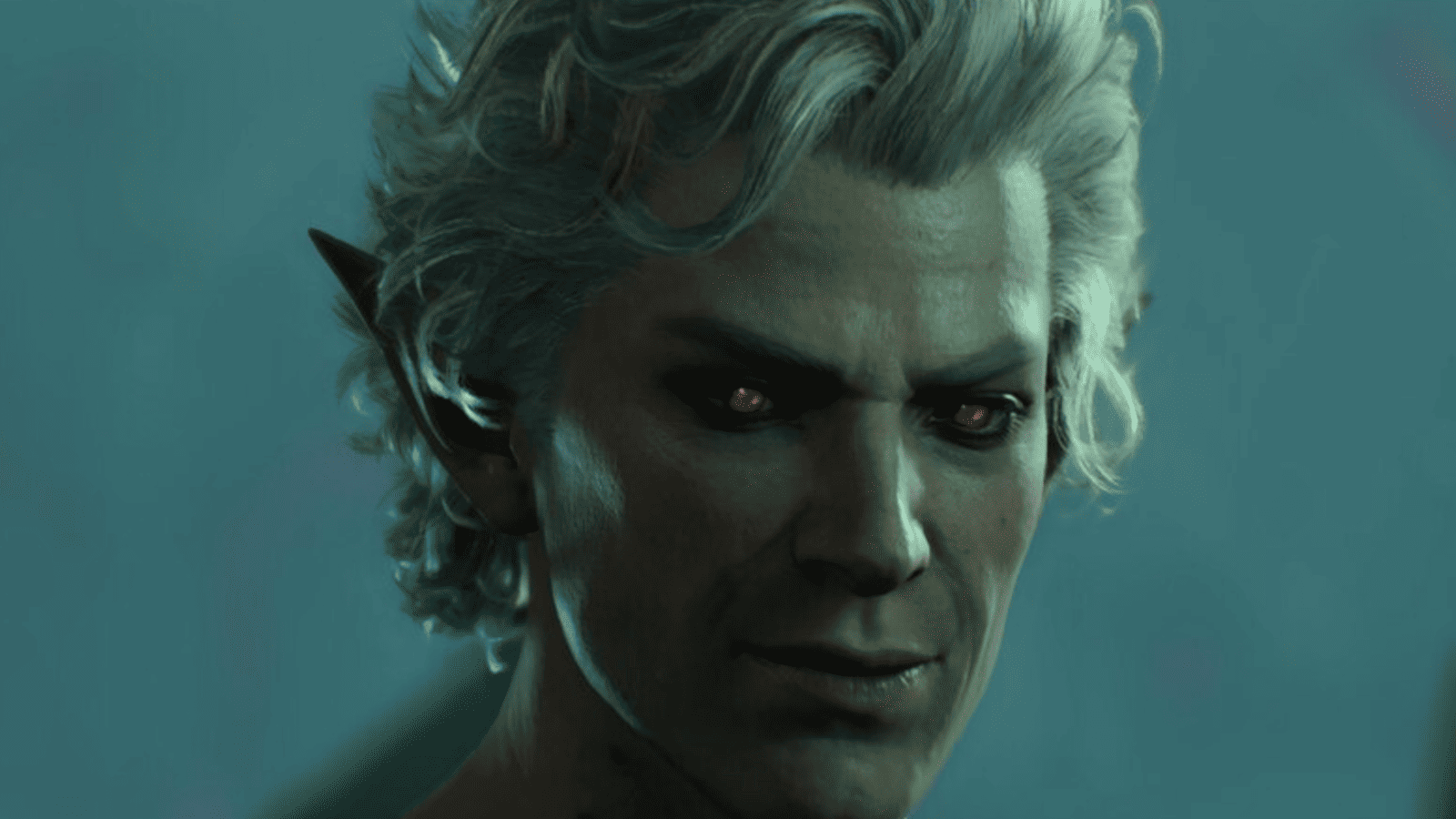
Among the loudest voices is Michael Douse, publishing director at Larian Studios, the team behind the Game of the Year-winning Baldur's Gate 3. Douse called the decision "genuinely heartbreaking" on social media, reflecting on the studio's own journey from a digital-only launch to a lovingly crafted deluxe physical edition. "That disc and all those goodies were both my pride AND quite literally my joy," he wrote, emphasizing that the cost of physical production was worth it for the fans who cherish tangible media.

Independent creators are equally dismayed. Billy Basso, the mind behind the acclaimed puzzle adventure Animal Well, lamented that he'll "never release another physical game for PlayStation." Meanwhile, The Binding of Isaac and Super Meat Boy creator Edmund McMillen struck a defiant tone: "I collect physical media and will always find a way to release my games physically. If mainstream publishers stop, independent boutique publishers will continue making collector's editions that will be way better anyway."
Boutique preservationists like Lost in Cult and iam8bit have built entire businesses around keeping games alive in physical form—from high-quality discs to vinyl soundtracks and art books. Lost in Cult responded to Sony's news with a statement: "As a company on a mission to preserve video games, we are deeply saddened... We aim to do everything in our power to preserve video games to the best of our ability."
The controversy has even reached the political arena. French presidential candidate Jean-Luc Mélenchon weighed in, arguing that video games are "cultural assets" that deserve legal protection. With Grand Theft Auto 6 reportedly skipping a physical disc, he warned: "Tomorrow, you will pay without owning anything. No loan, no resale, no guarantee of keeping what we’ve paid for."
This isn't the first time PlayStation has faced heat over digital ownership. Last month, Sony revoked access to over 500 StudioCanal titles purchased through the PlayStation Store after a licensing deal expired—a stark reminder that digital libraries can vanish overnight. The shift to an all-digital future raises urgent questions about preservation, especially as more consoles launch without disc drives.
For indie developers, a physical release is often a badge of honor—proof that a community exists to support a game beyond its digital launch. As the industry grapples with this transition, many are looking to boutique publishers and grassroots efforts to fill the gap. But with hardware trends pointing toward disc-less systems, even those avenues may narrow.
For more on the battle over game preservation, check out our ranking of the 25 best video games of all time and our deep dive into PlayStation's all-digital future. And if you're feeling nostalgic, explore the best Western video games that still live on disc.