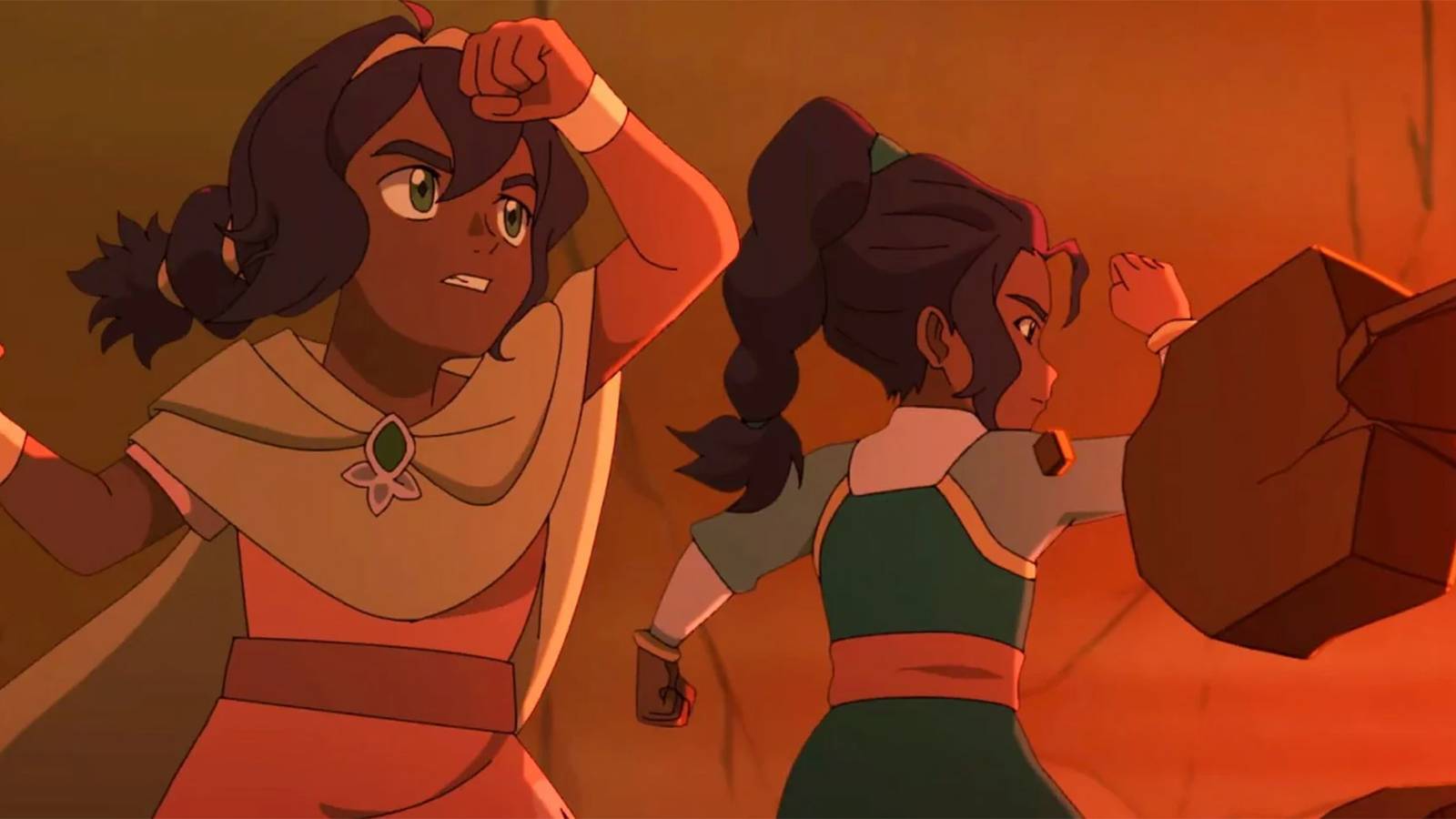
The world of Avatar has returned, but it's barely recognizable. In Avatar: Seven Havens, humanity is fractured, bending is nearly extinct, and the culprit is supposedly the Avatar herself—Korra, who allegedly triggered a world-ending Cataclysm 225 years ago. The first three episodes paint a grim picture: citizens of Ellora despise Korra, children wear monstrous masks of her, and even the White Lotus has erased her from their records. It's a shocking turn for a beloved hero, but is the show really siding with her critics?
For anyone who's spent time in the Avatar fandom, this portrayal feels eerily familiar. Korra was never universally loved. As Aang's successor, she faced impossible expectations—fans wanted The Legend of Korra to be Avatar: The Last Airbender 2.0, not the darker, more mature story it actually was. That series tackled trauma, mental health, and the painful realities of growing up, but many viewers couldn't accept that shift. The hate she received online was intense, and Seven Havens seems to mirror that hostility in its narrative.
But here's the catch: Seven Havens isn't validating those fans. It's holding a mirror up to them. The show's portrayal of Korra as a monster is a meta-commentary on how unfairly she was judged. Just as fans assumed the worst about her without knowing the full story, the people of Ellora blame her for the Cataclysm without understanding what truly happened. The series is setting up a deeper revelation, one that will likely exonerate Korra and challenge the audience's assumptions.
So what really caused the Cataclysm? The clues point to a red herring. Korra was hot-headed, sure, but she was never a villain. Her greatest achievement—bridging the Material and Spirit Worlds—may have had unintended consequences. By the time of Seven Havens, spirits are absent from the world, and no one even recognizes a spirit when they see one. It's likely that Korra had to close that bridge, and the resulting backlash caused the Cataclysm. That's a tragedy, not an act of evil.
This narrative choice is brilliant because it forces viewers to question their own biases. Just as fans once blamed Korra for not being Aang, the people of Ellora blame her for their suffering. But the truth is more complex, and it's up to the new twin Avatars—Pavi and Nisha—to uncover it. Their journey will likely reveal that Korra was a hero who made a difficult sacrifice, not a monster who destroyed the world.
If you're new to the franchise or need a refresher, check out our Legend of Korra recap to understand the stakes. And with seasons 3 and 4 already confirmed, there's plenty of time for the story to unfold.
Ultimately, Seven Havens isn't about tearing Korra down—it's about exploring how history is written by the victors, and how easy it is to demonize someone we don't understand. The show is a clever commentary on fandom culture, and it's a must-watch for anyone who's ever judged a character too quickly.