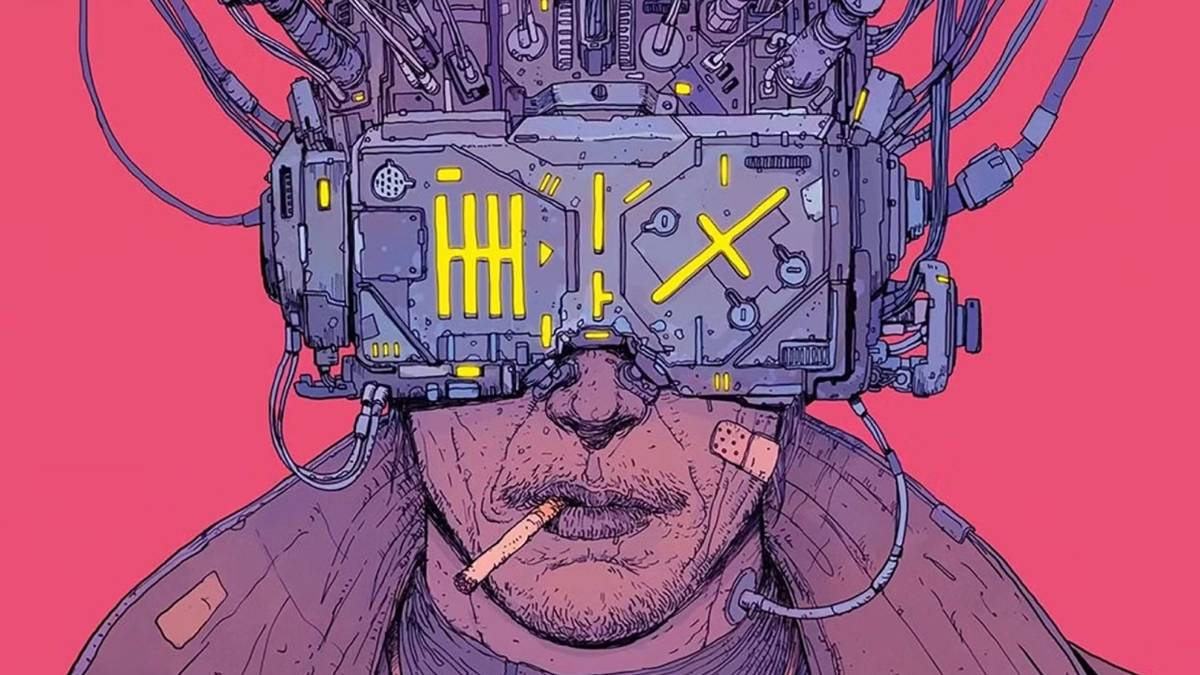
Apple TV is gearing up to release what could be the most ambitious sci-fi series of 2026: Neuromancer, an adaptation of William Gibson's groundbreaking cyberpunk novel. After decades of failed attempts to bring this story to the screen, the streaming giant is taking a bold gamble that could completely reshape how we think about science fiction on television.
While Apple TV has already built a reputation for prestige sci-fi with hits like Severance, Silo, and Dark Matter, Neuromancer operates on a different scale entirely. Those shows thrive on well-defined worlds and predictable rules, but Gibson's universe is vast, chaotic, and constantly shifting. The story hops from the neon-drenched streets of Chiba City in Japan to the sprawling urban jungle of the Sprawl in the U.S., and even to orbital space stations where the ultra-rich live above the grime. This isn't just a backdrop—it's a character in itself, one that set the template for all cyberpunk that followed.

What truly sets Neuromancer apart is its dual reality. Alongside the physical world, there's the matrix—a digital cyberspace where data can be shaped into anything. Everyone uses a cyberdeck connected to their nervous system to "jack in," and the Wachowskis famously drew inspiration from this for their own Matrix. For the series, this means rendering not one but two fully realized worlds, each with its own rules and dangers.
The story follows Case (Callum Turner), a small-time hacker who's been forcibly cut off from the matrix after stealing from his boss. He's recruited by Molly (Briana Middleton), a deadly "razorgirl" working for a mysterious employer. The mission: a globe-spanning heist that involves breaking into the matrix and confronting powerful AIs. Gibson's novel is famously fast-paced, dropping readers into the action without exposition, and the series faces the challenge of replicating that immersive, no-handholding style.
This approach is a radical departure from typical sci-fi storytelling, which often spends episodes explaining its rules. Neuromancer trusts its audience to keep up, and that's part of what makes it so thrilling. The sense of discovery is constant, and the world feels alive in a way that few TV shows achieve.
If Apple pulls this off, Neuromancer could become the flagship series for the platform's sci-fi lineup, a first for the cyberpunk subgenre. It's a massive challenge—arguably the biggest in sci-fi visual media history—but the potential payoff is enormous. For fans of Apple TV's Murderbot or anyone who loves immersive world-building, this is the show to watch.
With its sprawling scope, noir edge, and refusal to slow down, Neuromancer isn't just another adaptation—it's a test of whether streaming can truly capture the wild, unfiltered spirit of cyberpunk. And if it succeeds, it might just change everything.