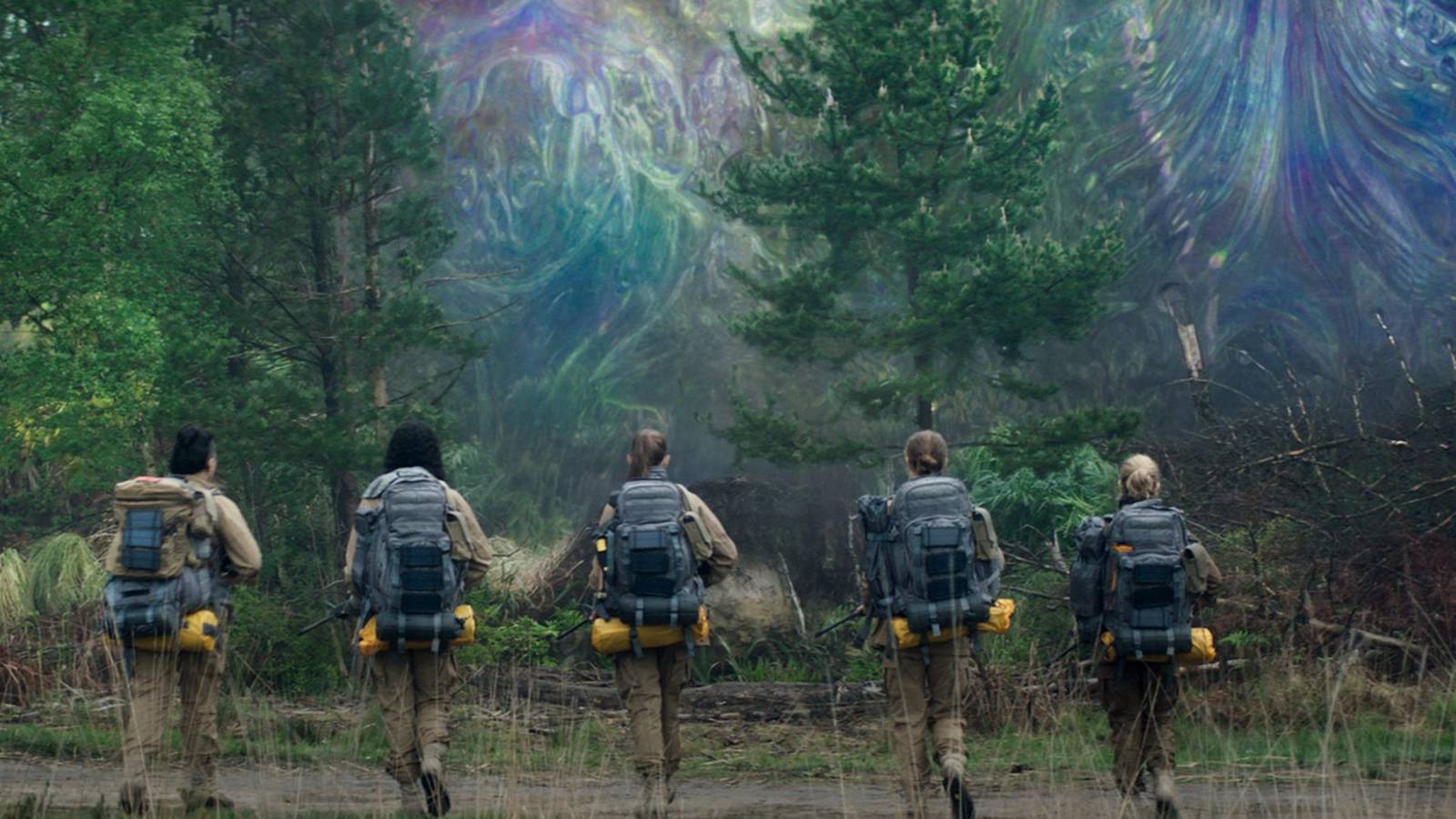
In the landscape of modern science fiction, few films linger in the imagination quite like Alex Garland's 2018 masterpiece, Annihilation. While Garland's debut, Ex Machina, rightfully earned acclaim, it's this subsequent, audacious work that has steadily built a devoted following, transforming into what many consider the quintessential sci-fi cult classic of its era.
A Visionary's Loose Adaptation
Garland, whose sharp sci-fi sensibilities were honed writing 28 Days Later, took a boldly interpretive approach to Jeff VanderMeer's atmospheric novel. Rather than a strict page-to-screen translation, he crafted a personal, cinematic experience that stands powerfully on its own. This creative decision resulted in a film that is intellectually challenging, emotionally resonant, and distinctly separate from its source material—a rarity that often breeds timeless art.

Journey Into The Shimmer
The story follows Lena (Natalie Portman), a biologist whose soldier husband, Kane (Oscar Isaac), returns home from a covert mission physically present but eerily absent. To uncover the truth behind his condition, she joins a new expedition into "Area X," the epicenter of a growing, enigmatic zone called the Shimmer. What unfolds is a descent into a beautifully grotesque reality where nature's rules—from biology to physics—are spectacularly rewritten.
Annihilation distinguishes itself with a nearly all-female team of explorers, each grappling with profound personal trauma. Alongside Portman, Jennifer Jason Leigh, Gina Rodriguez, and Tessa Thompson deliver nuanced performances as scientists who are deeply flawed, complex, and human. As one character notes, no one who is truly well-adjusted would volunteer for such a mission, making their psychological journeys as compelling as the physical peril.
Visual Poetry and Unforgettable Imagery
The film's true magic lies in its breathtaking and terrifying visuals. As the team penetrates deeper into the Shimmer, they encounter a world where DNA refracts and merges, creating hybrid flora and fauna that are both mesmerizing and horrifying. This visual splendor isn't mere spectacle; it's the core of the film's thematic exploration of change, self-destruction, and rebirth. It all builds toward a finale so conceptually rich and visually stunning that it demands—and richly rewards—repeated viewing.
While it didn't shatter box office records upon release, Annihilation has achieved something more enduring: a legacy. It's the kind of film that sparks endless debate and analysis, its layers revealing themselves with each watch. For fans of thought-provoking cinema, it represents a high-water mark. If you're looking for another deeply original story that found its audience over time, check out Peter Dinklage's 'Toxic Avenger' reboot, another genre-bending sleeper hit.
Why It Endures as a Cult Classic
What solidifies Annihilation as a perfect cult classic is its fearless ambiguity and emotional weight. It refuses to offer easy answers, trusting its audience to sit with discomfort and wonder. In an era of franchise filmmaking, it remains a stunningly original and personal vision. Garland crafted a film that is less about explaining a phenomenon and more about immersing you in an experience of awe and existential dread.
Years later, its status only grows. For viewers seeking a weekend binge that challenges as much as it entertains, Annihilation is essential viewing. It pairs well with other meticulously crafted, binge-worthy narratives like the tense thriller 'The Old Man' on Hulu. In a genre crowded with familiar tropes, Annihilation stands apart—a brilliant, haunting puzzle box that continues to captivate and disturb, securing its place as a modern sci-fi landmark.