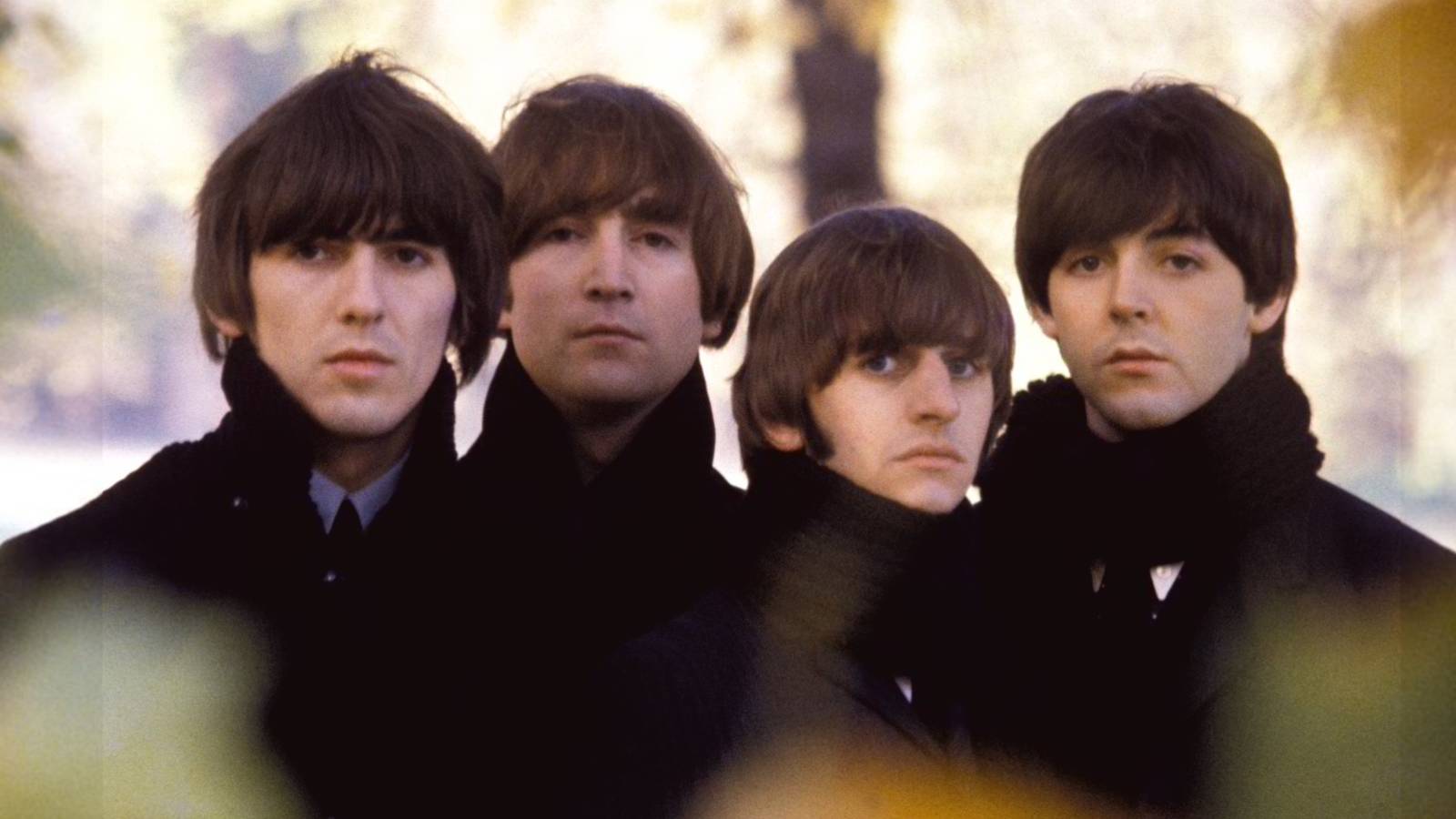
In the vast and legendary catalog of The Beatles, filled with groundbreaking hits and genre-defining classics, one song consistently rises to the top in discussions of pure, unadulterated perfection. That song is the 1968 epic "Hey Jude," a seven-minute single that defied radio conventions to become a global anthem of comfort and unity. More than just a chart-topper, it represents a pinnacle of songwriting and emotional resonance that continues to captivate audiences across generations.
The Compassionate Origins of a Classic
The story of "Hey Jude" begins not in the studio, but in the midst of personal turmoil within the band. In 1968, as The Beatles worked on what would become the 'White Album,' John Lennon's marriage to Cynthia Powell was dissolving. Paul McCartney, a close friend to the family, was particularly concerned about the impact on their young son, Julian. During a car ride to visit them, McCartney began crafting a song of solace and encouragement for the boy, initially titling it "Hey Jules." He later reflected that the core message was one of support during a difficult transition, a sentiment that would blossom into a universal call for perseverance.

From Personal Comfort to Global Anthem
McCartney brought the evolving song to the band, and despite its deeply personal origins, John Lennon immediately championed it. He even persuaded producer George Martin to release the lengthy track as a single, dismissing concerns that radio would shy away from its runtime. The gamble paid off spectacularly. "Hey Jude" soared to number one, its extended, sing-along coda becoming a defining feature rather than a flaw. Interestingly, the song was never included on a proper Beatles studio album, existing as a standalone single that somehow encapsulates the band's spirit.
A Lyric Saved by a Bandmate
The collaborative magic of The Beatles is etched into the song's DNA in a subtle but profound way. While writing, McCartney penned the line "the movement you need is on your shoulder" and felt it was awkward, planning to change it. When he played the song for Lennon, he pointed out the line as a weak spot. Lennon's response was definitive: he insisted it was the best line in the whole song. McCartney has since shared that this moment of artistic solidarity cemented the lyric in place, and now, whenever he performs it, he thinks of Lennon, adding a layer of poignant memory to every rendition.
For McCartney, the song's power is magnified in a live setting. He has often cited the communal experience of leading tens of thousands of voices in the song's iconic "na-na-na" finale as a primary reason he continues to perform. It transforms from a personal ballad into a massive, joyous celebration of shared feeling, proving that the simplest lyrics can forge the strongest connections. It's the kind of perfect communal moment that defines a career.
The Legacy of a Perfect Song
So, what makes "Hey Jude" the most perfect Beatles song? It's a confluence of elements: its heartfelt, compassionate origin story; its daring structure that broke commercial norms; the intimate band collaboration that polished its lyrics; and its unparalleled ability to scale from a private安慰 to a worldwide sing-along. It is both a specific act of kindness and an open-ended invitation for anyone to find their own meaning within its melody.
The quest for artistic perfection isn't limited to music. Just as "Hey Jude" represents a peak in songcraft, other genres have their own standout achievements. For instance, fans of tightly plotted narratives might appreciate thriller series that perfected the single-season format, offering a complete, satisfying arc in one binge. Similarly, the pursuit of the ideal story can be found in the concise brilliance of sci-fi series designed for a perfect weekend binge.
Ultimately, "Hey Jude" endures because it is built on a foundation of genuine emotion and masterful execution. It started as a comforting gesture for a child navigating a broken home and evolved into a timeless reminder that, in moments of doubt or sadness, we can find strength and a sense of belonging—even if it's just in singing along with a crowd of strangers to one of the most perfect songs ever written.