Adventure movies usually follow a simple formula: heroes venture out, face danger, and return with a reward—be it treasure, glory, or a changed heart. The thrill comes from the unexpected, but the promise of a satisfying payoff is almost always kept. Not so with the ten films on this list. They deliberately break that promise, subverting expectations at every turn. You might think you know where they're headed, but buckle up—these adventures don't play fair. Here are the most subversive adventure movies of all time, ranked.
10. 'The Secret Life of Walter Mitty' (2013)
Ben Stiller directs and stars as Walter Mitty, a photo archivist lost in daydreams while pining for coworker Cheryl (Kristen Wiig). The trailers promised a globe-trotting spectacle—skateboarding down Icelandic roads, outrunning sharks, climbing the Himalayas. And yes, all that happens. But it's not the point. The missing photograph Walter chases across the world turns out to be a picture of him at his desk, taken by photographer Sean O'Connell (Sean Penn) because he thought it mattered. The film spends two hours convincing you that grandeur is out there, then hands its hero a portrait of ordinary life and calls it treasure. It's a strange, quiet argument for a studio adventure to make—and it makes it anyway.
9. 'The Treasure of the Sierra Madre' (1948)
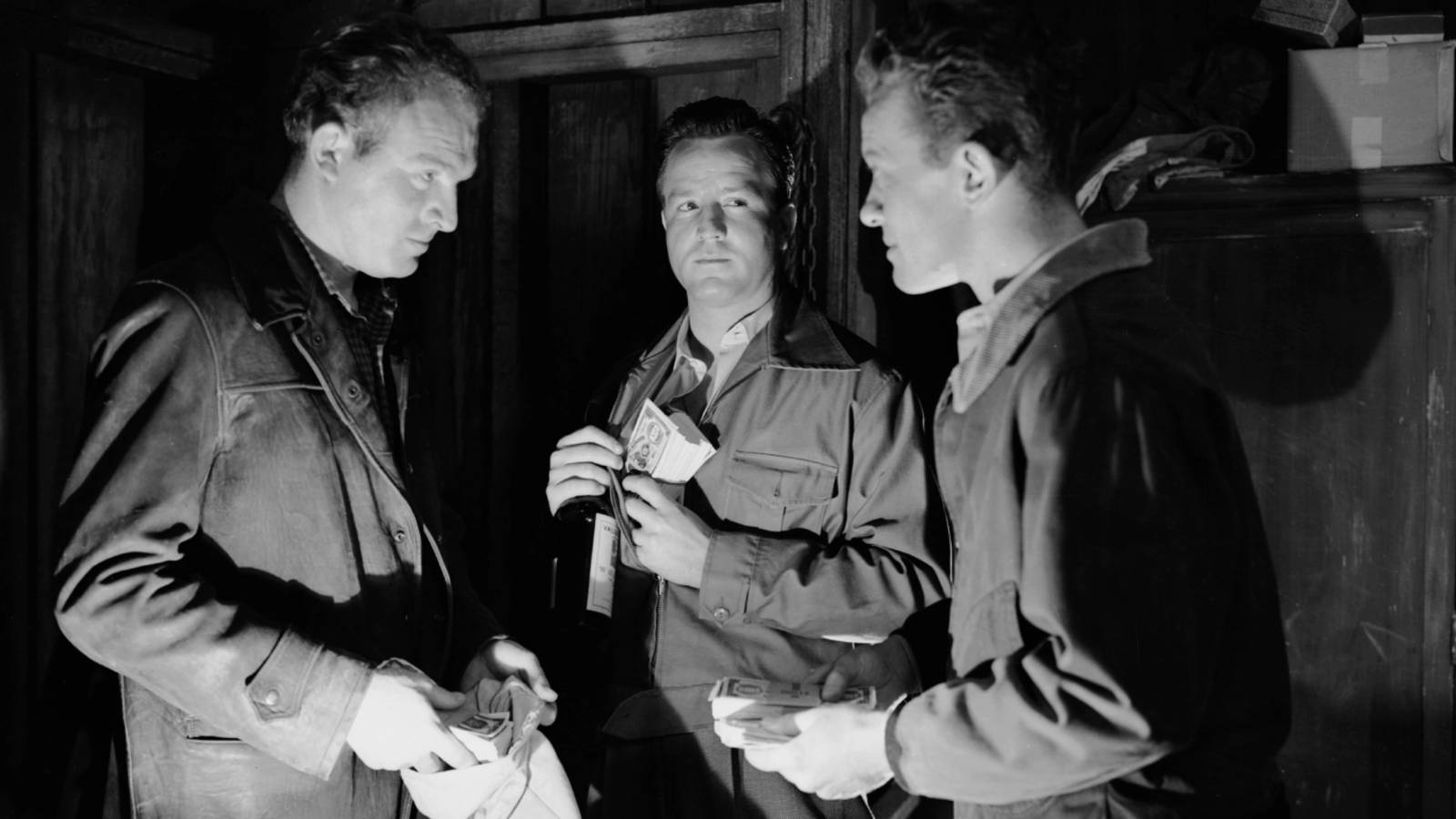
Humphrey Bogart plays Fred C. Dobbs, a broke drifter in Mexico who teams up with Curtin (Tim Holt) and old prospector Howard (Walter Huston) to dig gold from an unclaimed mountain. Director John Huston spends the film making Bogart's character uglier by the minute—paranoid, sweat-soaked, convinced his partners are plotting against him. Dobbs dies at the hands of bandits who scatter his gold sacks across the desert, thinking they're worthless sand. Nobody gets the fortune. For a film starring the man who played Rick in Casablanca, letting him die broke and unmourned was not the ending 1948 audiences expected.
8. 'The Revenant' (2015)
Alejandro G. Iñárritu shot this in chronological order using only natural light, chasing daylight across two continents. All that effort builds to one moment: Hugh Glass (Leonardo DiCaprio), left for dead after a bear attack, finally catching up to Fitzgerald (Tom Hardy). When Glass corners him, dying in the snow, he doesn't deliver the killing blow. Instead, he pushes Fitzgerald toward a group of Arikara warriors who have their own reasons to want him dead. Revenge movies almost always give the hero that final act. This one takes it away right when the whole film has been promising it.
7. 'Master and Commander: The Far Side of the World' (2003)
There's barely a villain and no romance subplot—a strange choice for a 2003 studio adventure. Instead, we get Captain Jack Aubrey (Russell Crowe) obsessively chasing a French warship across the ocean, while ship's doctor Stephen Maturin (Paul Bettany) just wants five minutes onshore to study finches. The tension between duty and curiosity drives the film, not a clear hero-versus-villain chase. Audiences expecting swashbuckling got long stretches of barnacle scraping and amputated limbs. It underperformed at the box office for exactly that reason, and it's why people still call it one of the most quietly intelligent adventure films a studio ever funded.
6. 'Sorcerer' (1977)
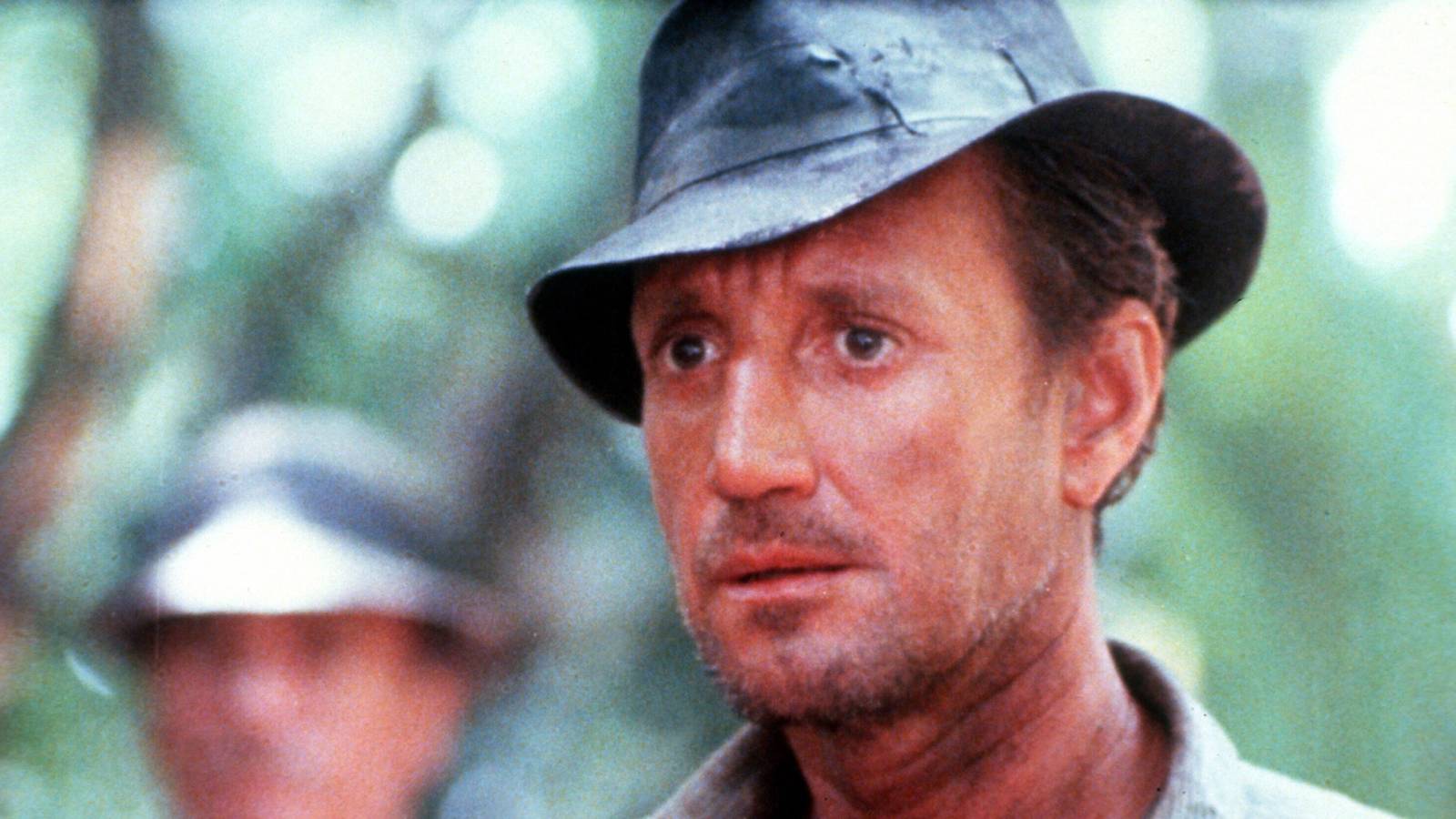
Four desperate men agree to drive trucks packed with sweating, unstable dynamite through the jungle—because none of them have anything left to lose. Jackie Scanlon (Roy Scheider) is a fugitive, and the others are equally broken. The film is a remake of Henri-Georges Clouzot's The Wages of Fear, but director William Friedkin makes it his own with a grim, relentless tone. The dynamite could explode at any moment, and the characters know it. There's no heroic triumph here—just survival, and even that is uncertain. It's a nerve-shredding adventure that refuses to reward its characters or its audience with easy catharsis.
5. 'Mad Max: Fury Road' (2015)
George Miller's post-apocalyptic masterpiece turns the adventure genre on its head by making its hero, Max (Tom Hardy), a reluctant passenger in his own story. The real protagonist is Imperator Furiosa (Charlize Theron), who drives a war rig full of enslaved women toward a promised green land. The film is essentially one long chase sequence, but the goal isn't treasure or glory—it's freedom. And when they reach the green land, it's a salt flat. The promised paradise is a lie. Yet the film still finds hope in collective action and sacrifice. It's a subversive adventure that redefines what a hero looks like and what a happy ending means.
4. 'The Adventures of Priscilla, Queen of the Desert' (1994)
Three drag queens—Tick (Hugo Weaving), Adam (Guy Pearce), and Bernadette (Terence Stamp)—travel across the Australian outback in a bus they've named Priscilla. The adventure is about surviving the harsh landscape and the bigotry they encounter, but the real journey is internal. The film subverts the classic road movie by centering queer characters who aren't seeking treasure or conquest—they're seeking acceptance and a place to perform. The finale isn't a triumphant return home but a quiet, defiant act of self-expression. It's a celebration of resilience that redefines what an adventure can be.
3. 'The Fall' (2006)
Tarsem Singh's visually stunning film tells the story of a bedridden stuntman (Lee Pace) who spins a fantastical tale for a young girl (Catinca Untaru) in a 1920s hospital. The adventure sequences are breathtaking—a band of heroes on a quest for revenge against an evil governor. But as the story unfolds, it becomes clear that the stuntman is projecting his own despair onto the narrative, and the fantasy world mirrors his real-life pain. The film subverts the adventure genre by revealing that the quest is a metaphor for suicide, and the real hero is the girl who saves him with her innocence. It's a heartbreaking, beautiful twist on the genre.
2. 'The Wages of Fear' (1953)
Henri-Georges Clouzot's original masterpiece follows four men transporting nitroglycerin across treacherous South American roads. The tension is unbearable—every bump could mean instant death. The film subverts the adventure genre by making the journey itself the entire story, with no reward at the end except survival. And even that is denied to the main character, Mario (Yves Montand), who dies in a ridiculous accident just as he's about to escape. The film argues that adventure doesn't lead to glory—it leads to exhaustion, paranoia, and often death. It's a brutal, cynical take that influenced everything from Sorcerer to modern thrillers.
1. 'The Secret of the Grain' (2007)
Abdellatif Kechiche's French drama might not look like an adventure, but it's one of the most subversive entries on this list. It follows Slimane (Habib Boufares), an aging immigrant in southern France who dreams of opening a couscous restaurant on a boat. The film is a slow-burn family drama, but the final act—a chaotic, extended dinner party on the boat—becomes a tense, almost thriller-like sequence where everything that can go wrong does. The adventure isn't about physical danger but about the struggle to achieve a simple dream against overwhelming odds. The ending is ambiguous, leaving the audience hanging on a single moment of potential triumph or disaster. It subverts the genre by showing that the most profound adventures are often the quietest, and the biggest rewards are the ones we almost reach.
These films prove that adventure doesn't have to follow the rules. Whether it's a photo of a desk job, a bag of gold scattered in the wind, or a drag show in the outback, the most subversive adventures are the ones that leave us questioning what we thought we wanted. For more genre-defying picks, check out our list of the most subversive animated movies or dive into the greatest thriller movies ever made.