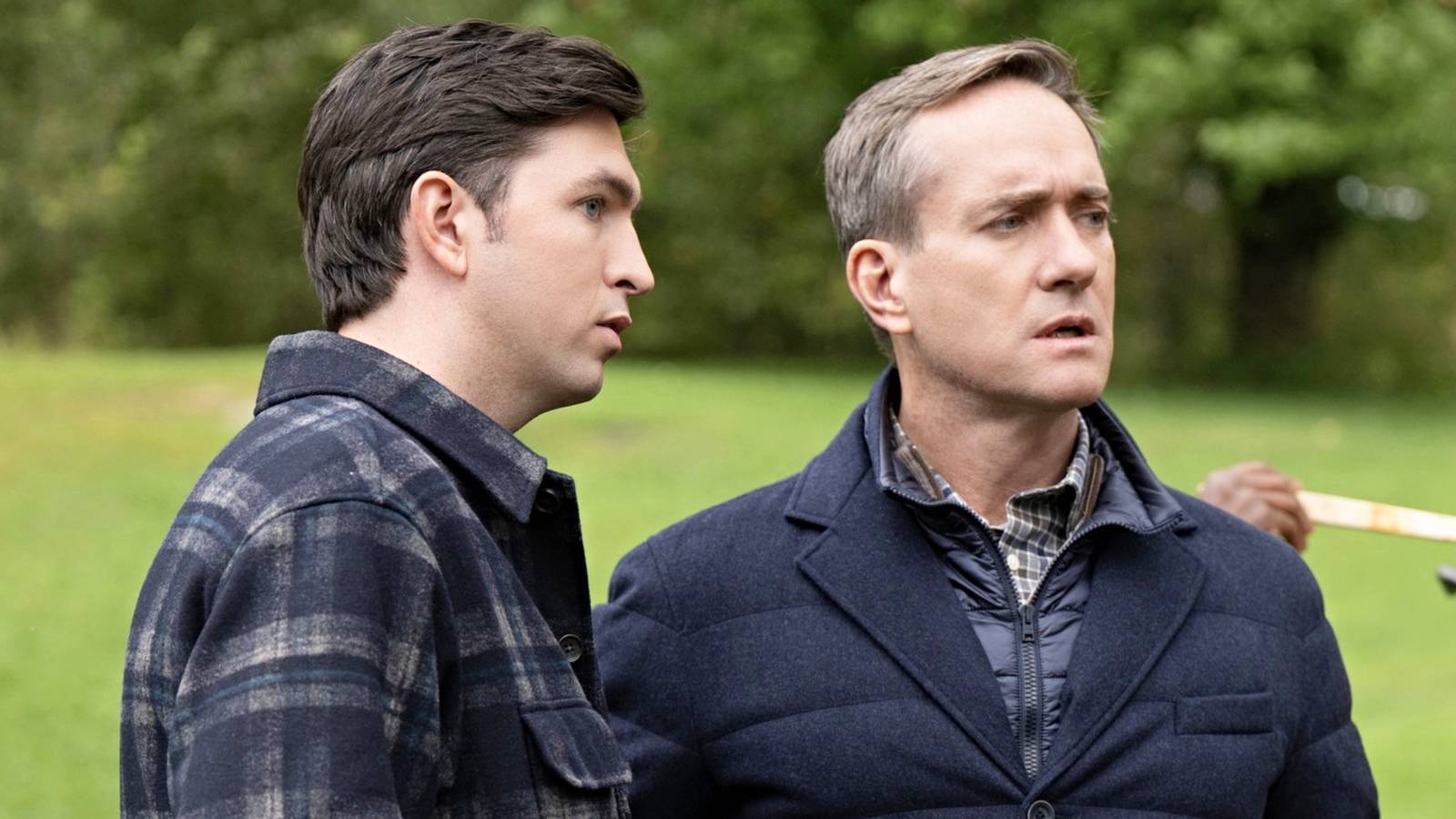
Some sitcoms are just background noise. Then there's Hacks—a show that gets sharper, sadder, and funnier with every rewatch. What begins as a biting comedy about a fading Vegas legend and a jobless millennial writer slowly becomes one of TV's most nuanced character studies. On a second viewing, every detail lands harder, and the emotional groundwork the series hides in plain sight becomes impossible to miss.
The fifth and final season of Hacks made history with 24 Emmy nominations, the most ever for a comedy series in a single season. That record-breaking recognition only adds to the appeal of revisiting the show's intricate layers. By now, most know the setup: Deborah Vance (Jean Smart) is an old-school comedy icon fighting to stay relevant before the industry quietly pushes her out. Ava Daniels (Hannah Einbinder) is a young writer with talent, bad instincts, and a career derailed by one stupid tweet. Forced together out of professional desperation, they spend the first season circling each other like trapped animals. Deborah thinks Ava is entitled; Ava thinks Deborah is emotionally constipated. They're both right.
'Hacks' Understands That Funny People Are Often Miserable
A lesser show would have turned Deborah and Ava into a standard odd-couple pairing within a few episodes. Hacks resists that temptation. The series lets them hurt each other—sometimes intentionally, sometimes casually, and often in ways that feel a little too recognizable. Deborah fears aging and becoming invisible; Ava wants success and validation so badly she sabotages herself in pursuit of it. Every season strips another layer off both women until their ugliest instincts become impossible to ignore. Once you know where these characters end up, earlier scenes carry extra weight. Deborah's cruelty reads more like a survival instinct than ego, and Ava's self-righteousness starts looking like panic disguised as confidence.
The show also trusts silence more than most comedies do. Some of the best moments in Hacks happen after the punchline lands: Deborah sitting alone in her mansion after a set, Ava realizing she pushed too far, and Marcus (Carl Clemons-Hopkins) quietly burning out while keeping Deborah's empire running. The series understands that comedians perform for a living, even when no one is technically on stage.
Jean Smart and Hannah Einbinder Have One of TV's Best Dynamics
Smart deserves every award this show has handed her. Her fifth consecutive Outstanding Lead Actress in a Comedy Series Emmy for Hacks underlined how consistently she brought Deborah to life. Deborah Vance could have easily become a caricature—a one-note diva firing off insults in expensive caftans—and Smart refuses to let that happen. She plays Deborah like someone who built herself from scratch and never once got to relax afterward.
Then there's Einbinder, who had the impossible task of keeping up with her. Ava could've been unbearable in the wrong hands; instead, Einbinder makes her frustrating in deeply human ways. She's impulsive, defensive, insecure, occasionally selfish, and constantly trying to prove she belongs in rooms that barely tolerate her.
The brilliance of Hacks is that it never fully settles on what Deborah and Ava are to each other. Friends feel too simple, and a mentor-mentee relationship doesn't fully capture it either. They fight like family, compete like coworkers, and understand each other with an intimacy neither woman seems comfortable admitting out loud. By the later seasons, that push-and-pull becomes the entire engine of the series. Their Season 4 feud—kicked off after Ava blackmails Deborah for a head writer position—is brutal, partly because the show spent years earning it. Every insult lands because these women know exactly where to cut. And yet, Hacks never loses sight of how funny they are together. The series can pivot from emotional devastation to a perfectly timed throwaway joke without feeling manipulative. Few comedies manage tonal shifts this cleanly.
Every Season of 'Hacks' Finds a New Angle
Most comedies lose momentum because the characters stop evolving; however, Hacks avoids that trap by refusing to let Deborah and Ava stay comfortable. The final season surpassed the previous single-season comedy Emmy nomination record of 23, shared by The Bear and The Studio. Rather than feeling like a victory lap, those 24 nominations recognized a comedy that kept finding ways to evolve. The early seasons focus on stand-up and reinvention. Later seasons expand into late-night television, Hollywood politics, creative burnout, public image, and legacy. The show keeps widening its scope without losing the intimacy that made it work in the first place.
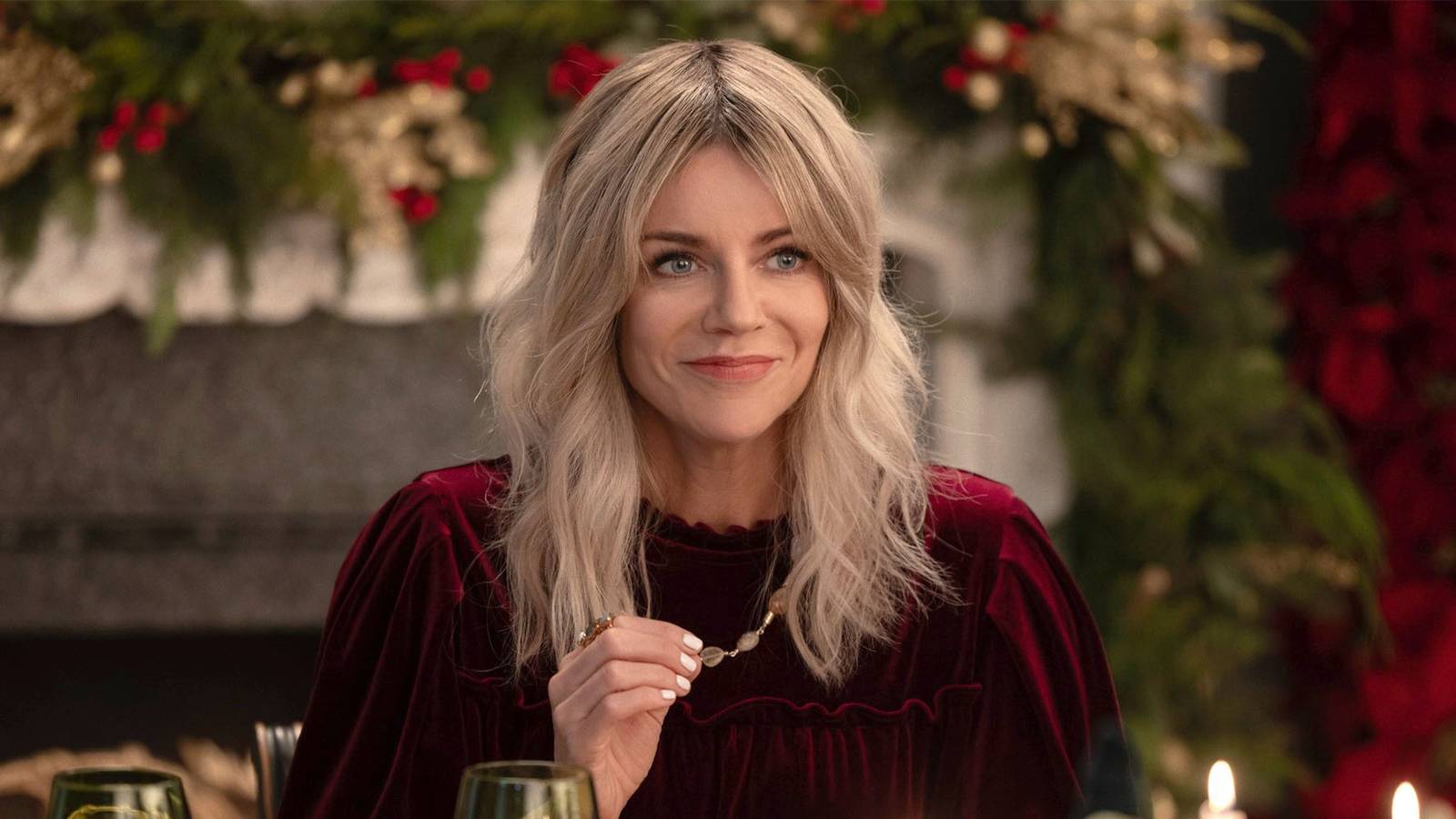
Even side characters grow richer on rewatch. Marcus's exhaustion becomes more noticeable. Jimmy (Paul W. Downs) and Kayla (Megan Stalter) evolve from comic relief into one of the show's funniest partnerships, and Kaitlin Olson's D.J. slowly transforms from a chaotic supporting character into one of the series' emotional anchors. That payoff becomes especially clear in the final season, which pushes Deborah to confront the damage she's caused—professionally, personally, and especially as a mother. One episode built around a family reckoning is a masterclass in blending humor and heartbreak.
For those looking to dive into a show that rewards attention, Hacks is a perfect weekend binge. It's a comedy that understands that the funniest people are often the most broken, and that the best jokes come from a place of truth. If you haven't watched it yet, or if you're ready for a second pass, this is the moment. And if you're in the mood for more streaming picks, check out our weekend Netflix suggestions or Prime Video binge guide.